New Doors · Sherwood
Commercial Sectional Door Repair in Sherwood
A high-lift door begins smoothly, then a cable loses tension as the top sections change direction.
In plain words
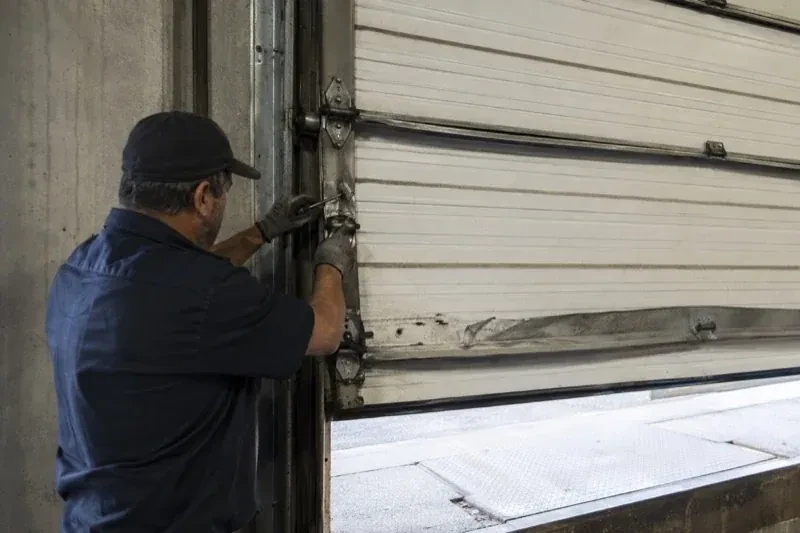
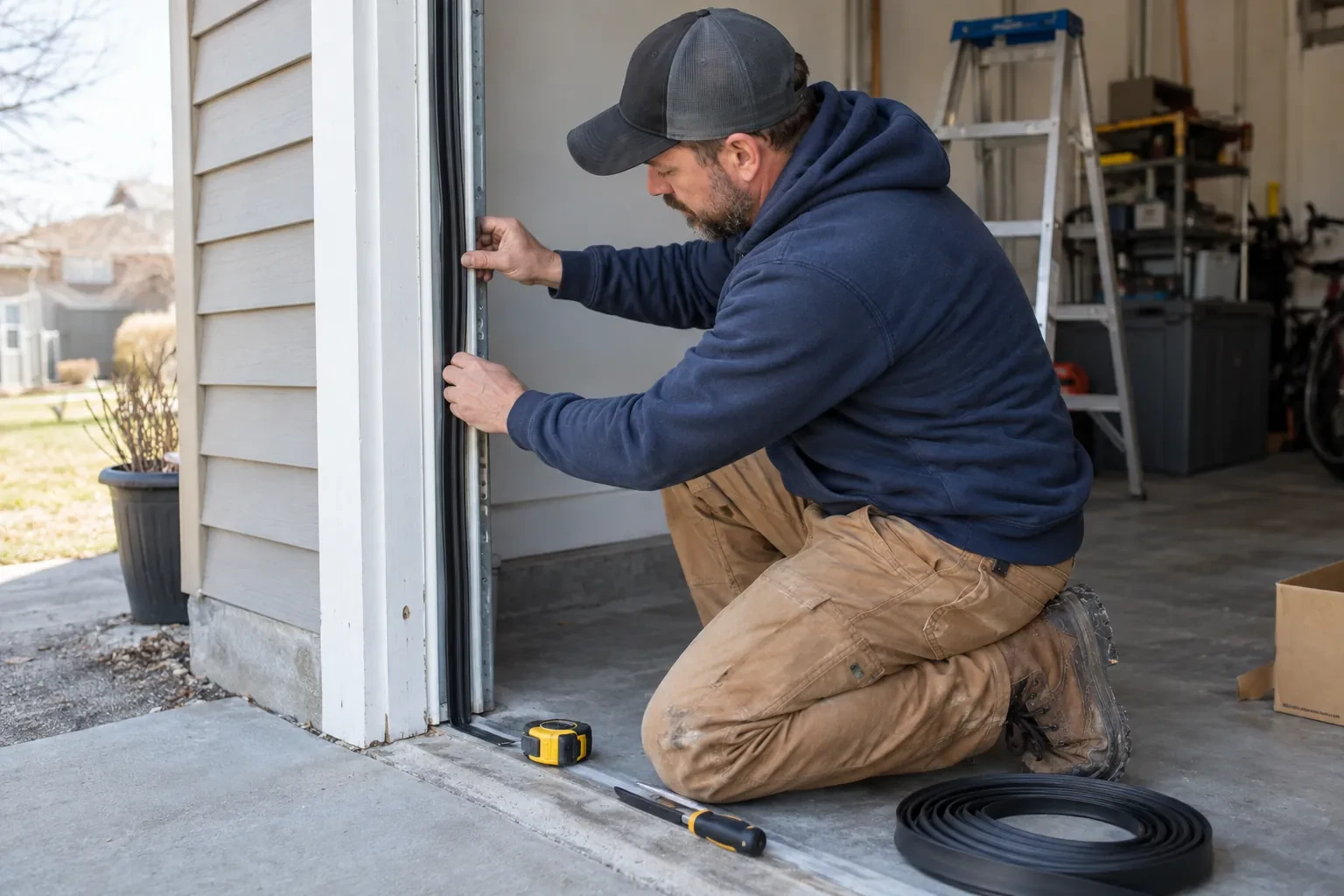
Weather-related repair focuses on the lower part of the opening as well as the moving door. Ice at the threshold, slush, salt, a torn bottom seal and corrosion around lower fixtures can change how the door lands and how long components last. The technician clears the travel path, checks the bottom section and retainer, examines cables and brackets for deterioration, and corrects the seal or alignment issue. The result is an opening that closes squarely and manages drafts and moisture more effectively through changing seasons.
How the visit goesThe door reaches the floor, then reverses before staying closed. The threshold is clear, but a sensing edge is distorted and one photoelectric sensor has moved out of line with its partner.
Commercial Sectional Door Repair
How the visit goes
Checking balance before the operator
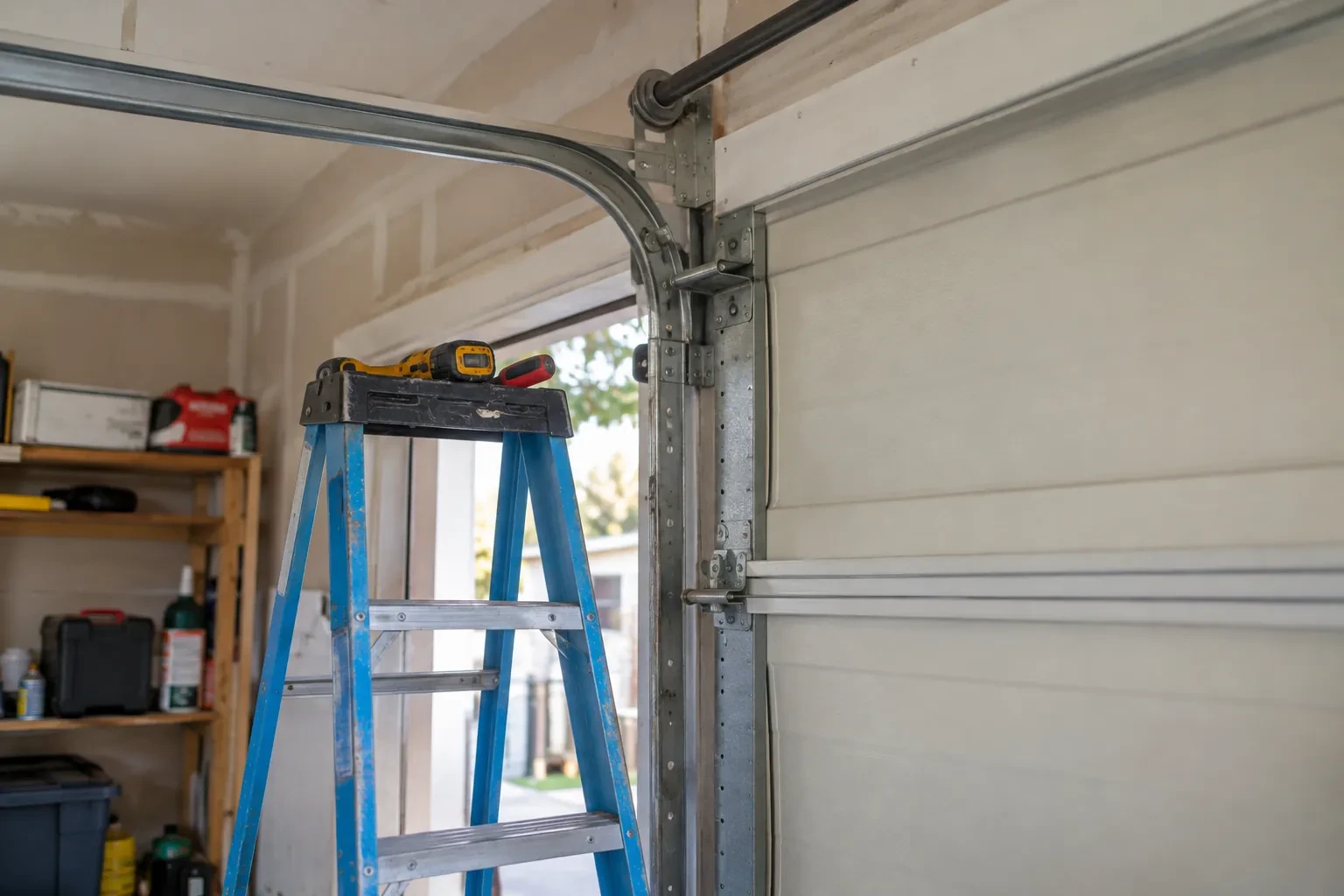
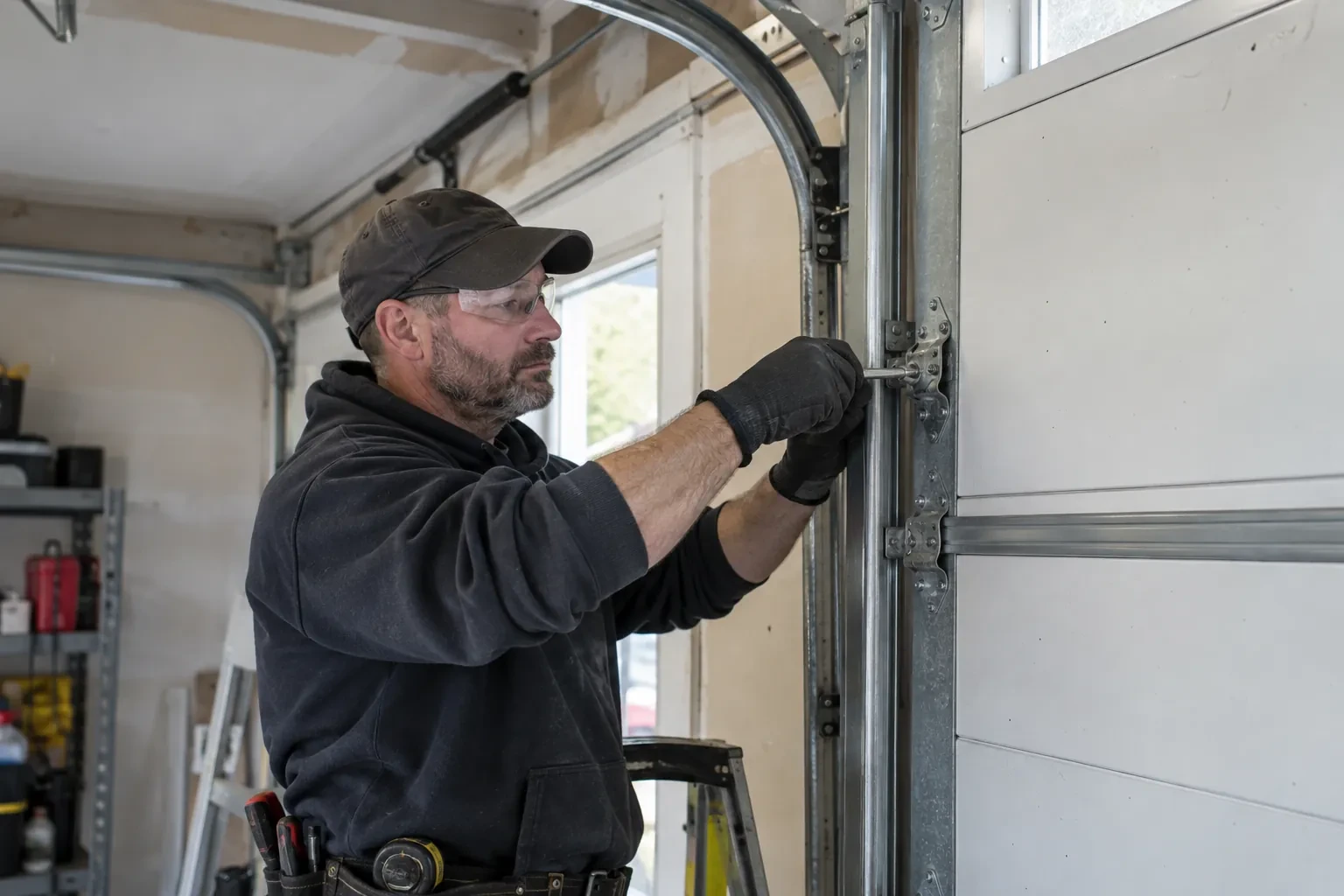
When the motor hums, stalls or strains, the door itself is assessed before settings are changed. With the system safely placed for manual evaluation, the technician checks whether the door moves freely and remains controlled through its range. Spring condition, cable wraps, rollers, track obstructions and any active lock are reviewed. Only after the mechanical load is understood does attention move to the drive chain, sprockets, clutch or brake, travel limits and controls. This sequence separates an operator issue from resistance created elsewhere in the assembly.
Completing a system-wide test
After tools and supports are cleared, the technician observes the repaired assembly through its entire range. Manual balance is evaluated where the design permits, followed by powered cycles that show cable tracking, roller travel, section alignment and final seating. The operator's stop and reverse responses are checked with its installed protective devices. Unusual vibration, contact marks and loose connections receive a final review. The service record identifies parts fitted, adjustments made, test results and any separate maintenance items the facility may wish to schedule.
A repaired section that works with its neighbours
A replacement panel leaves the door with continuous joints, secure hinges and reinforcement suited to the opening. Colour and surface texture may show normal differences between new and weathered material, while the functional check focuses on articulation, roller clearance and even contact at the seals. Washing the exterior with products allowed by the door manufacturer helps protect the finish. Future impact marks near an end stile or bottom fixture deserve early attention because these areas connect the panel to the guidance and lifting systems.
Commercial Sectional Door Repair
In the van
Bottom seal and retainer
Reinforcement struts
Commercial rollers
Track brackets and back hangs
Photoelectric sensors and sensing edges
Commercial Sectional Door Repair
What affects the quote
Lift and track configuration
Standard, low-headroom, high-lift and vertical-lift arrangements use different track geometry, drums, cables and access methods, so the installed configuration shapes labour and parts.
Parts identification and compatibility
Clear model data and current component markings simplify matching; altered assemblies or unavailable profiles may require additional measurement and an engineered compatible approach.
Weather-seal work
Bottom rubber alone is different from a bent retainer, uneven landing, damaged perimeter seal or drainage issue that also needs correction at the opening.
What to have ready
- Is the door closed, open or stopped between positions?
- Which numbered bay or opening needs repair?
- Can traffic use another opening during the work?
Commercial Sectional Door Repair: questions
QuestionsWhat happens during the final operational test?
The technician observes the door through the complete travel path, checking that sections articulate cleanly, rollers stay guided, cables track on their drums and the bottom edge remains level. Balance is evaluated where manual testing is appropriate. Powered controls, stopping positions and installed photoelectric sensors or sensing edges are then checked, followed by a review for vibration or contact.
Can bent track be straightened or must it be replaced?
That depends on the location and degree of deformation. A minor change in an accessible straight section may be corrected while restoring spacing and support. A sharply creased rail, damaged curve, opened seam or track that can no longer hold the roller securely usually calls for a compatible replacement. Brackets, anchors and adjoining track are checked either way.
Does a torn bottom seal always mean a seal-only repair?
Not always. The rubber may simply be worn, but a bent retainer, uneven floor, crooked door or impact-damaged bottom section can produce the same gap. The technician checks how the door lands before replacing material. Correcting level or retainer shape first allows the new seal to contact evenly without being stretched to compensate for another fault.
Related services
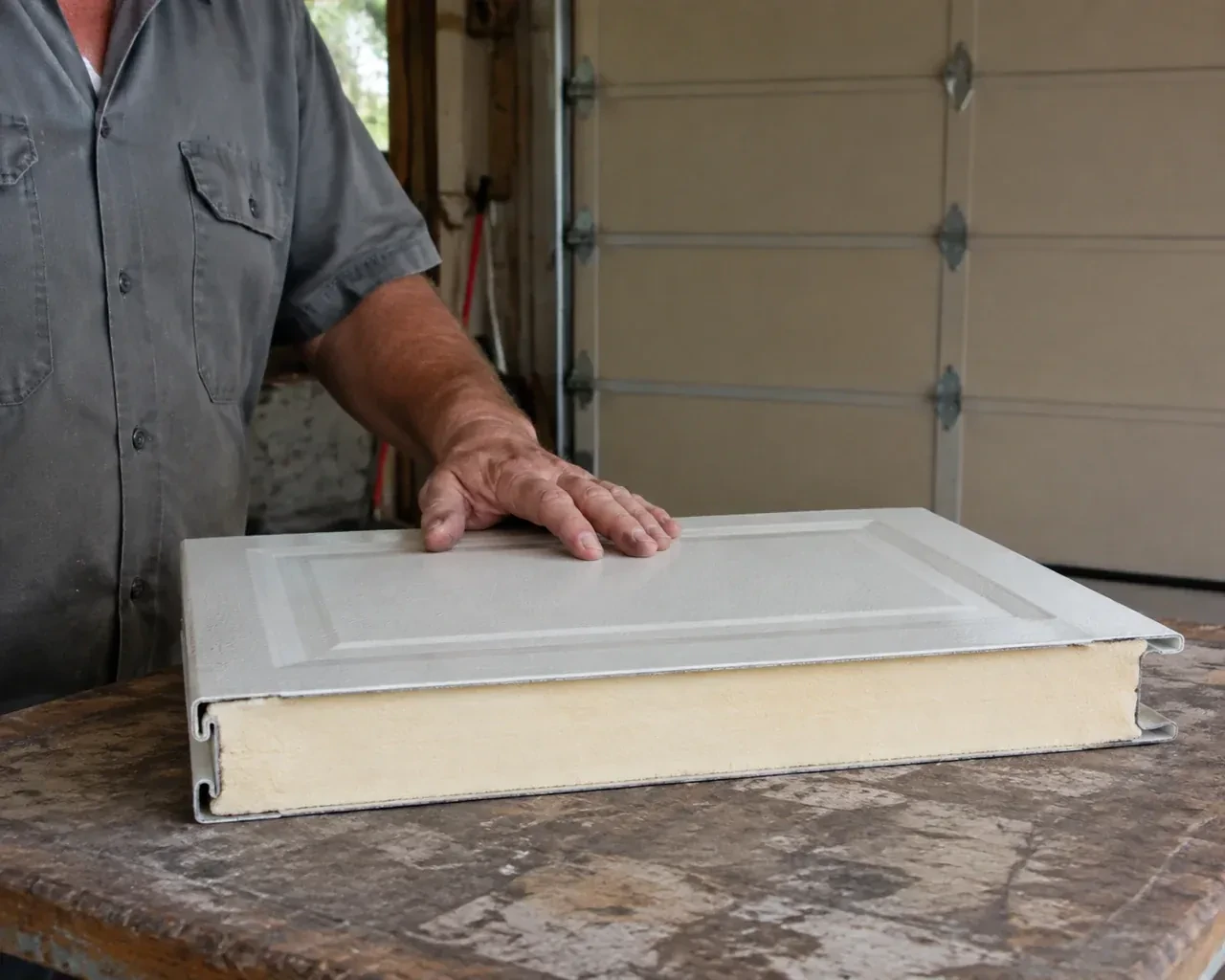
- Insulated Steel Garage Door InstallationYou want windows for natural light without turning the garage into a cold glass wall.
- Wind-Rated Garage Door ReplacementYour building designer has supplied positive and negative pressure values for the garage opening.
- Carriage-House Garage Door InstallationYour garage door works, yet its broad plain panels feel disconnected from the brick, gables and entry details around them.