Garage Doors in Sherwood, OntarioCrooked in the opening?We can straighten that.
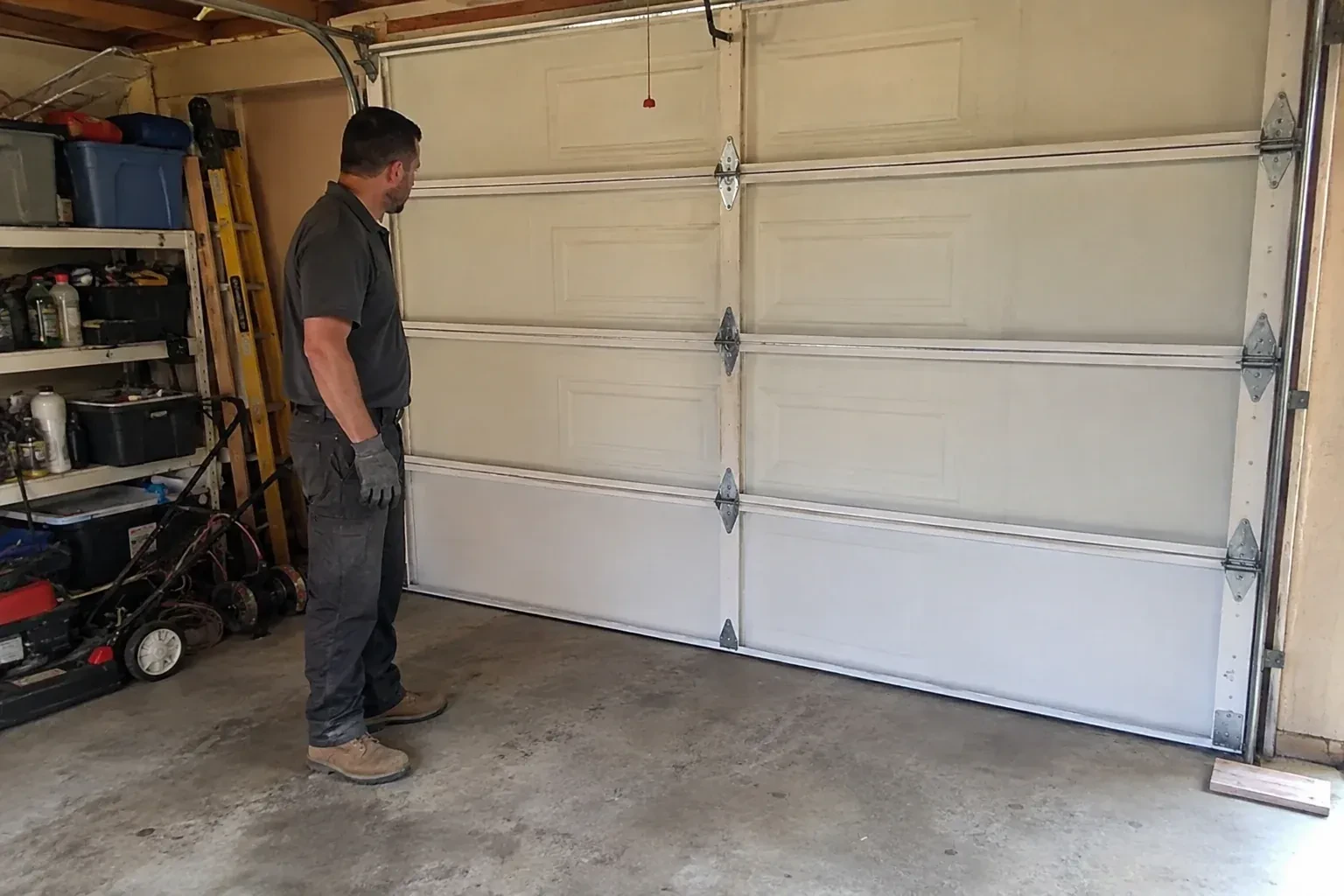
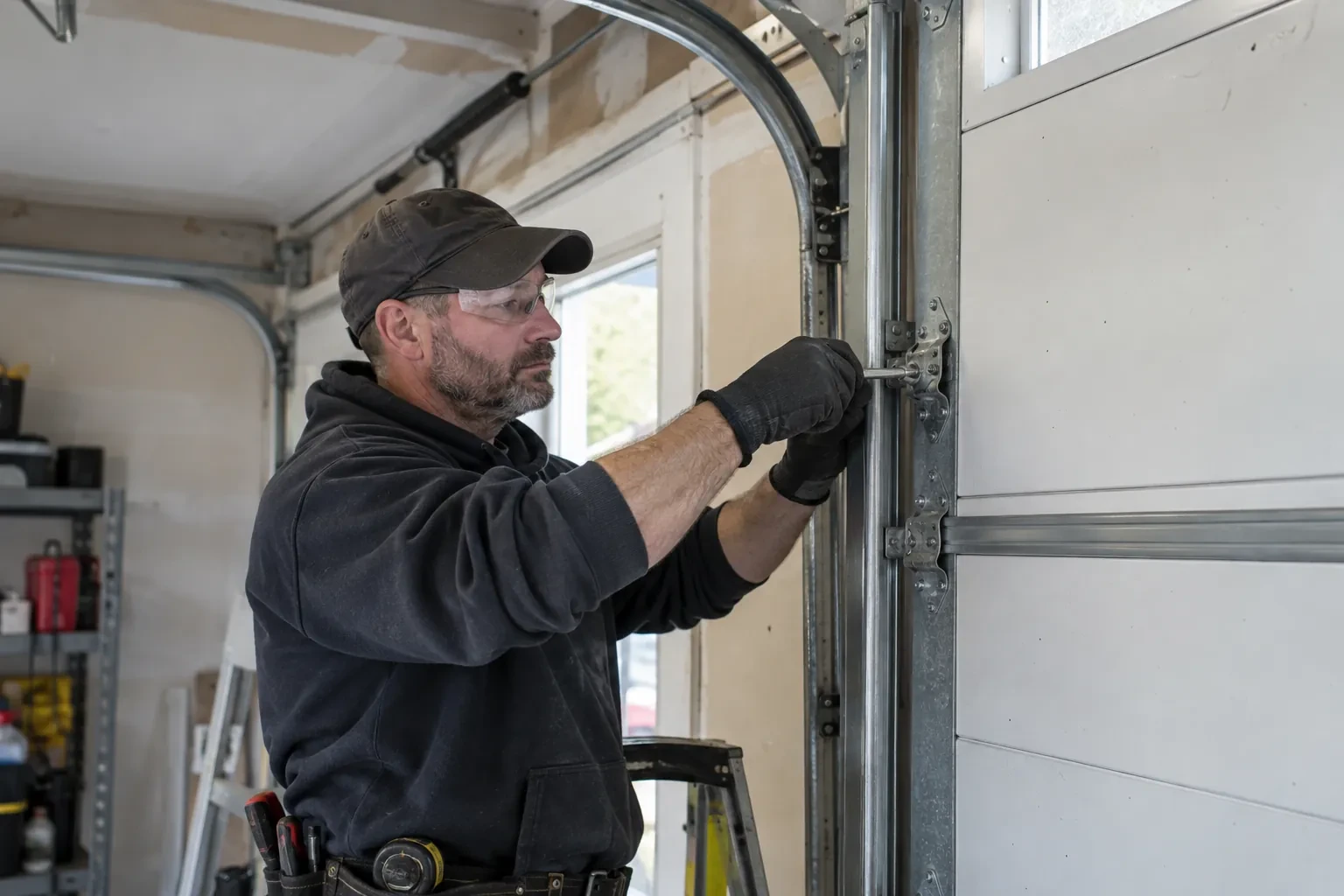
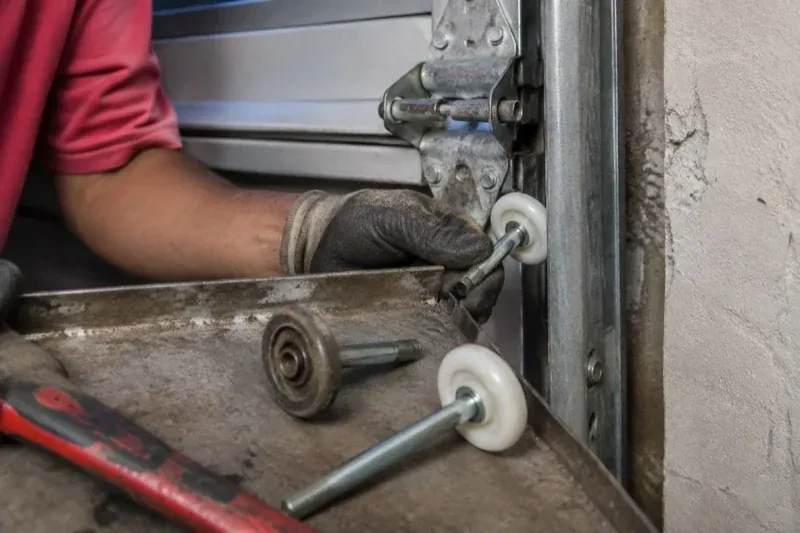
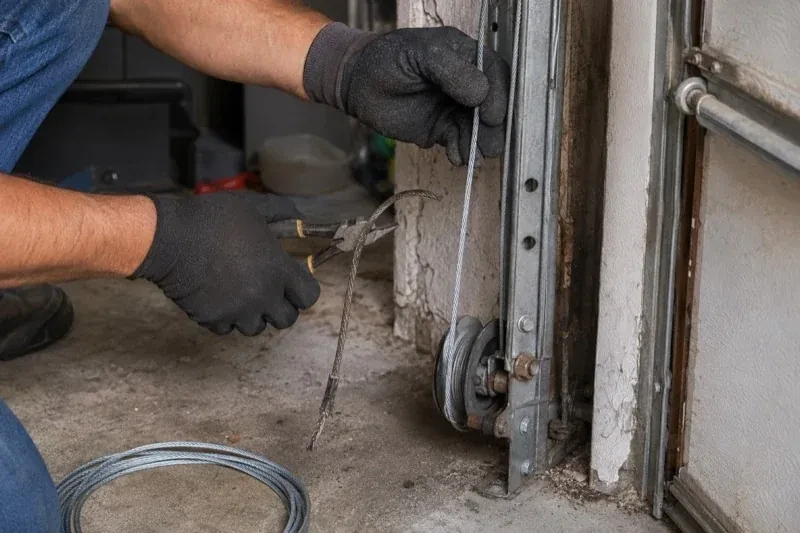
A door sitting at an angle in Sherwood almost always means a cable has slipped off its drum or a roller has left the track. We relieve the tension carefully, reseat the door square, replace whatever let go, and look along the tracks for the bend or loose bracket that started it.
A door sitting at an angle in Sherwood almost always means a cable has slipped off its drum or a roller has left the track. We relieve the tension carefully, reseat the door square, replace whatever let go, and look along the tracks for the bend or loose bracket that started it.
Springs, openers and everything between.
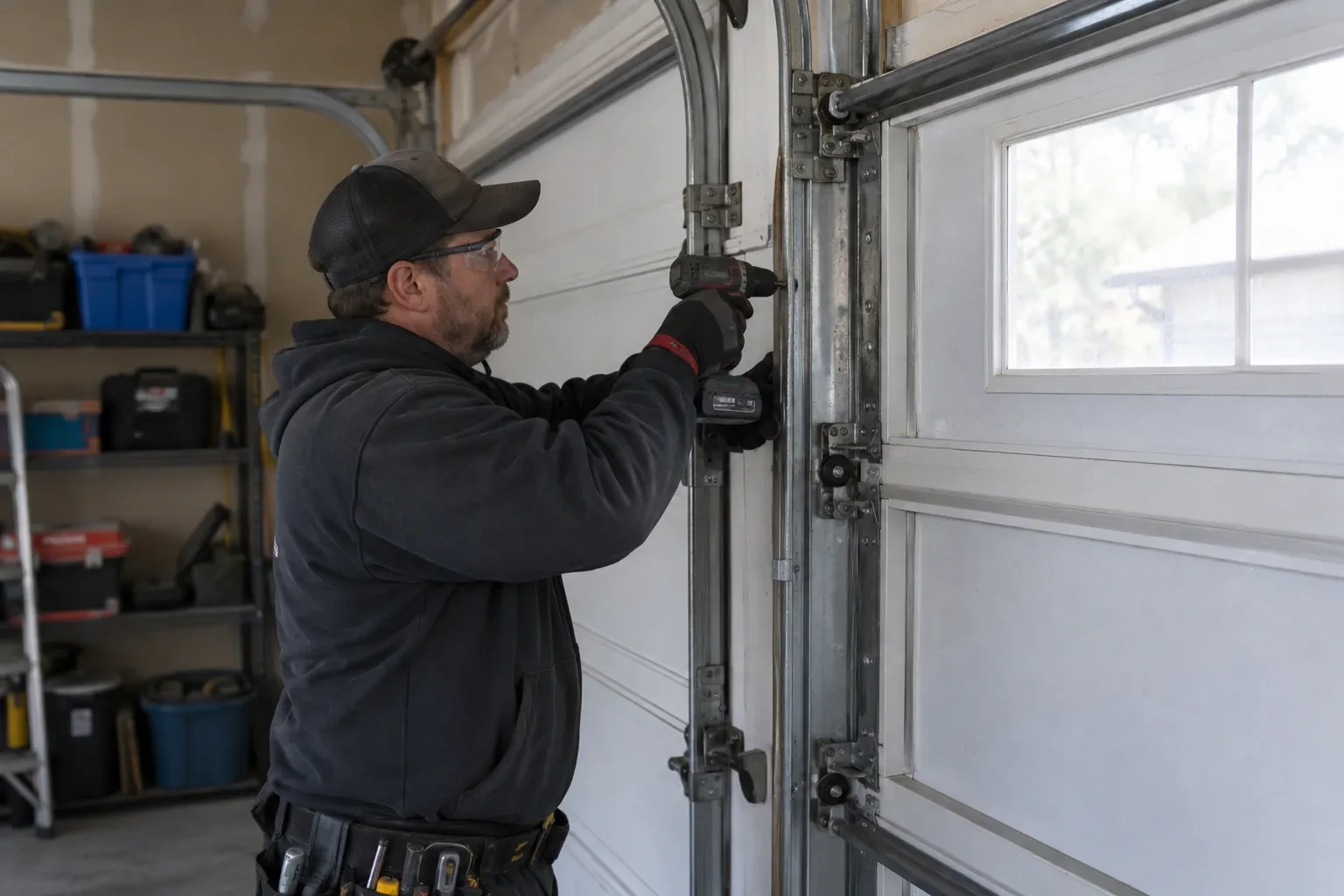
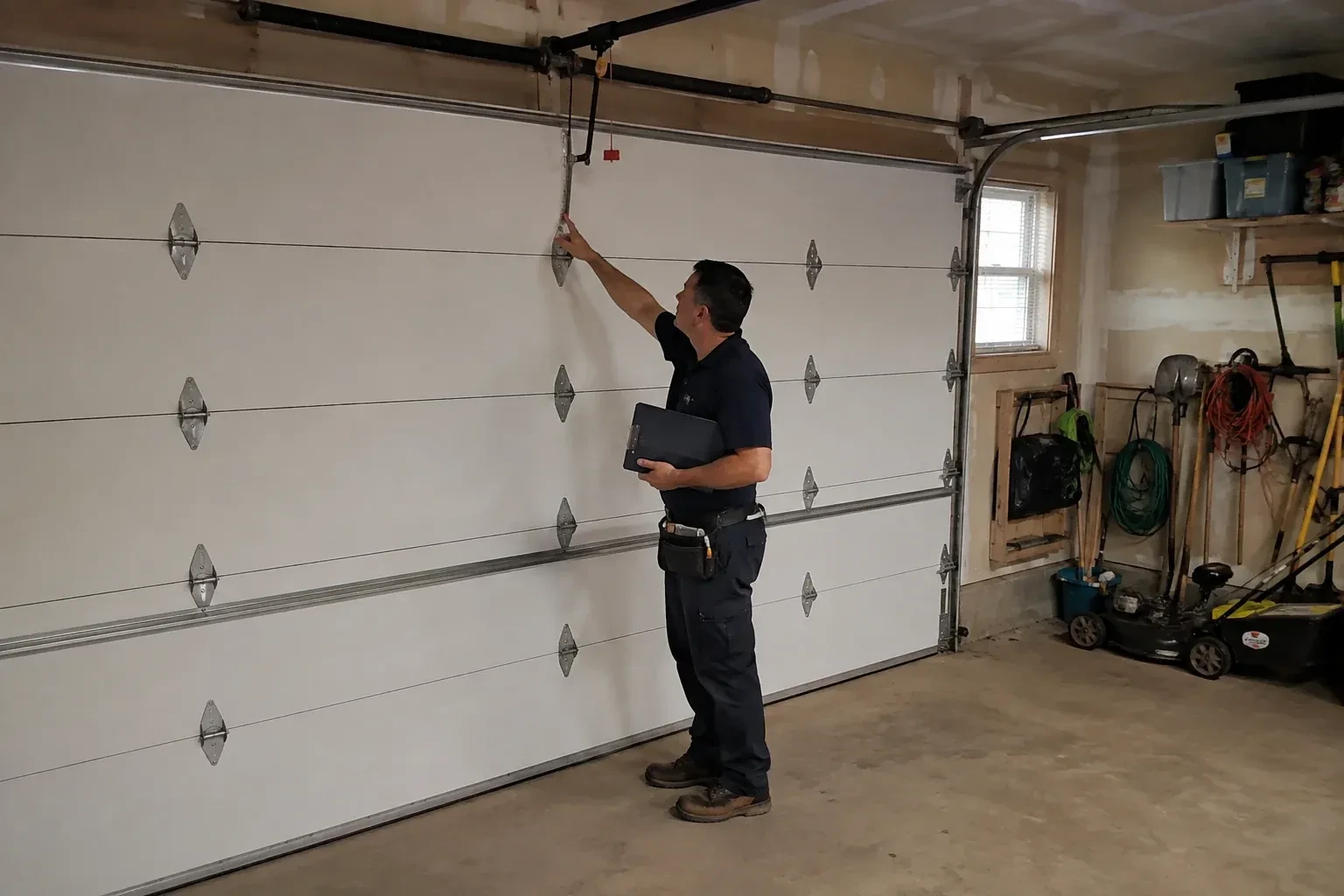
What people in Sherwood can expect from us: a technician who arrives when he said he would, looks at the door properly, explains the cause, gives a price on site before starting, does the work carefully with the door secured, tests it through full cycles, and leaves the garage as tidy as he found it.
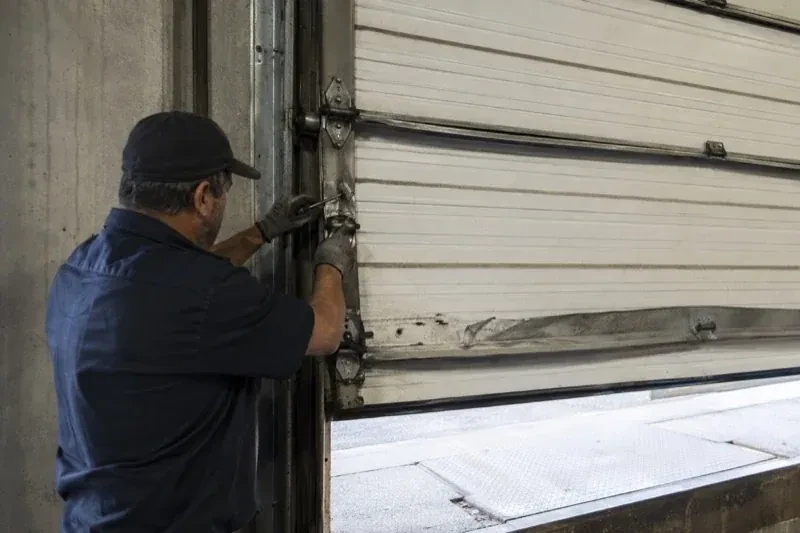
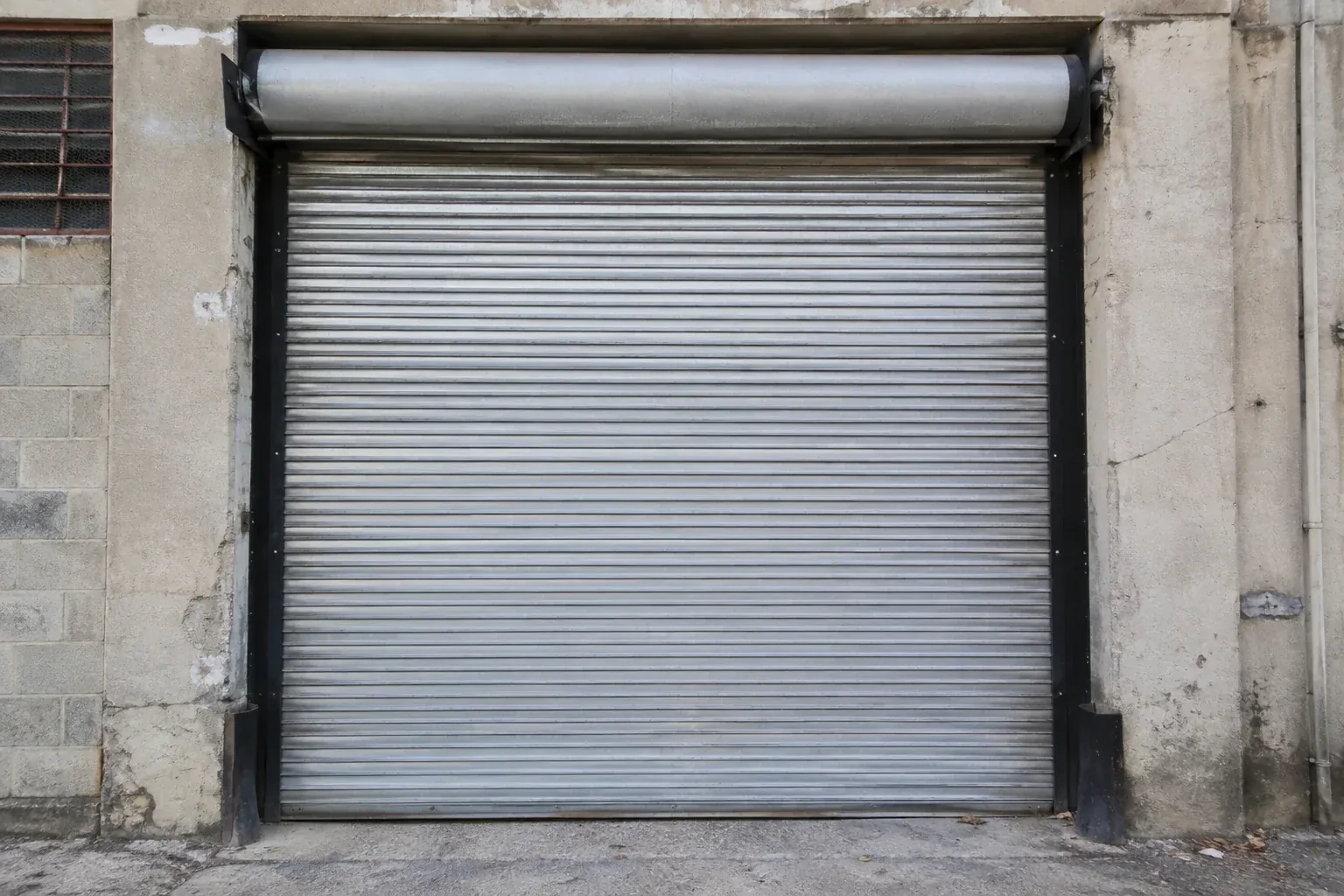
Businesses in Sherwood depend on their doors more than they think about them, until one stops. We service rolling steel doors, sectional commercial doors and the heavy-duty openers that run them, keeping the right hardware on the shelf so a service call finishes the job. For homes in the area, the same technicians handle residential repairs and installations with the same care.
30years in business
24/7open every day
Explained on the spot. As each part is checked, the technician tells you what it shows and what it means for the door as a whole.
Tidiness as standard. Old springs, cables and packaging leave with us, and the workspace is swept. A clean finish is part of every visit.
Options at your pace. Hear the choices, ask your questions, take the time you need. The work starts when you say so and not before.
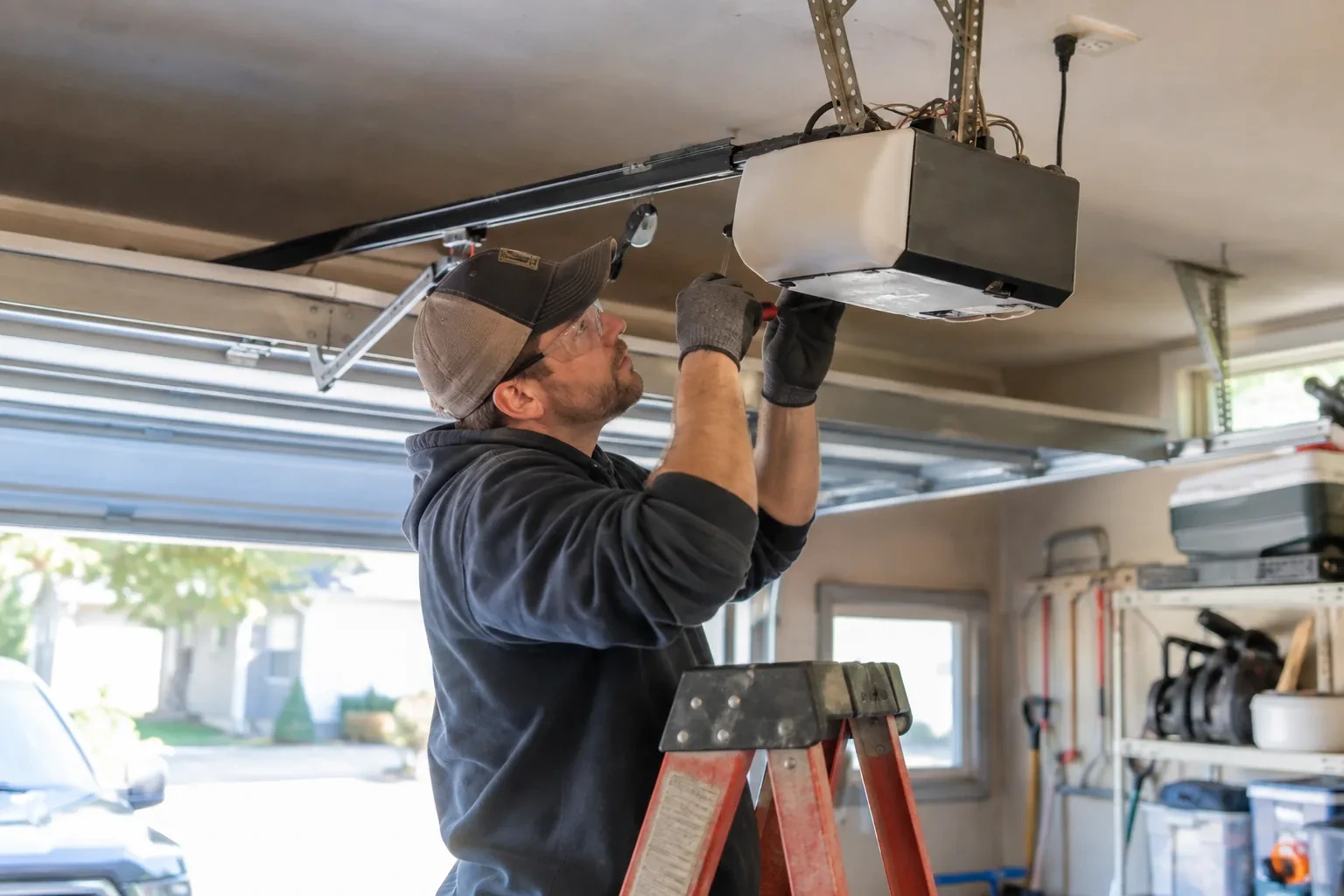
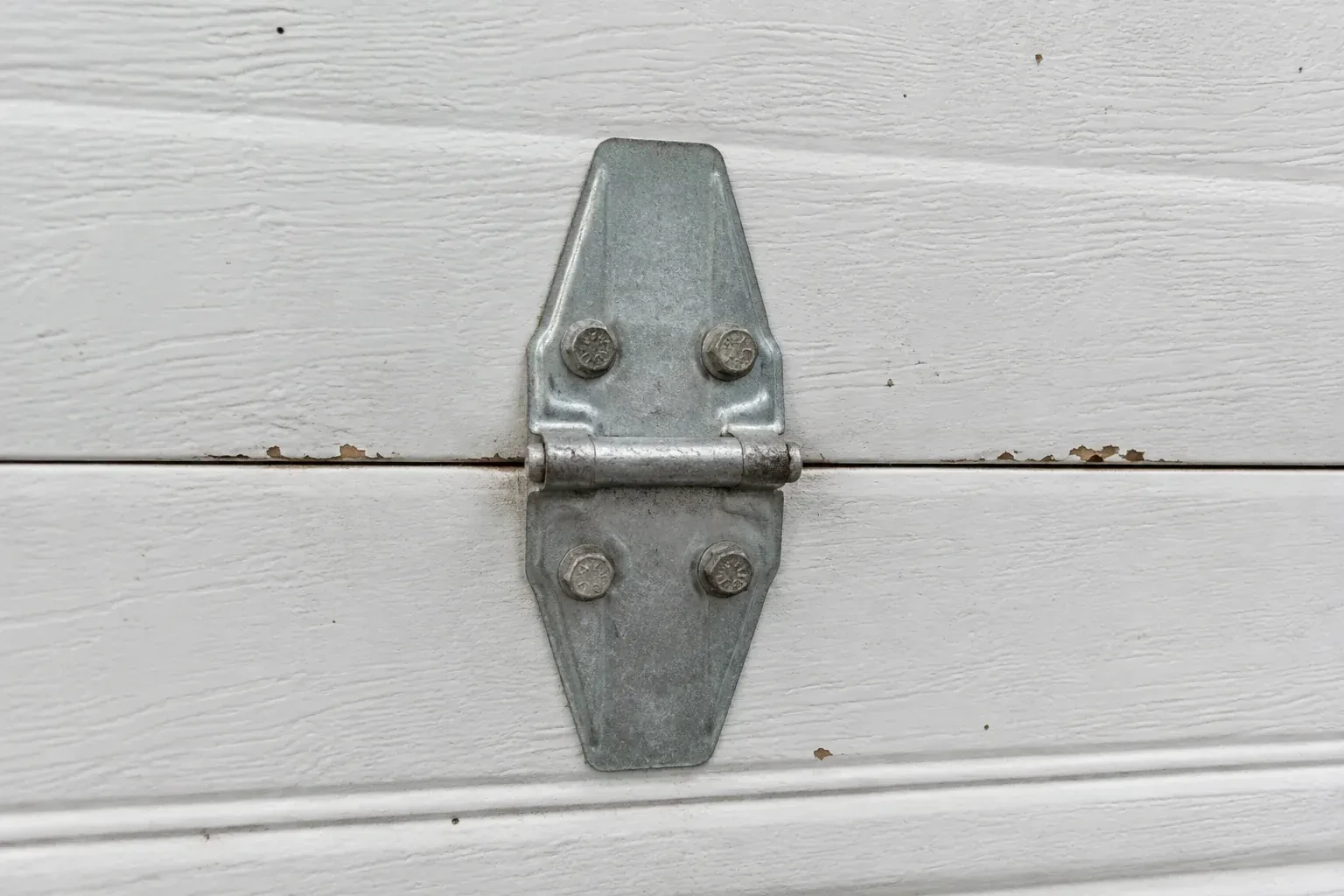
The services below are the ones we perform most often for garage doors in Sherwood. Springs and cables top the list, followed by opener repairs, roller and hinge replacement, seal and weatherstrip work, balance and safety adjustments, remote programming and, when the time comes, new doors.
About 8% of homes in Vaughan were built in 1980 or earlier, according to the 2021 Census.
Newer homes
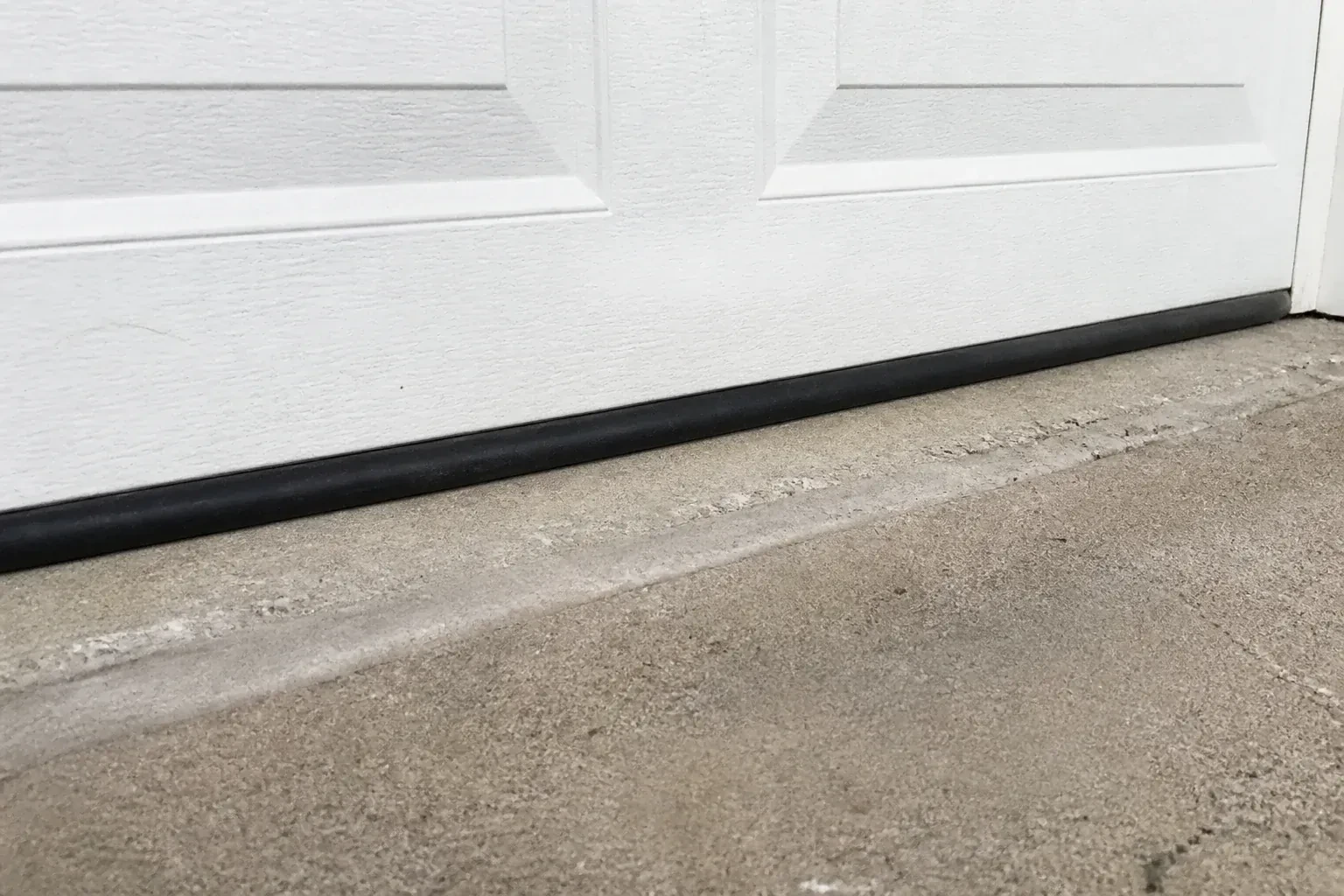
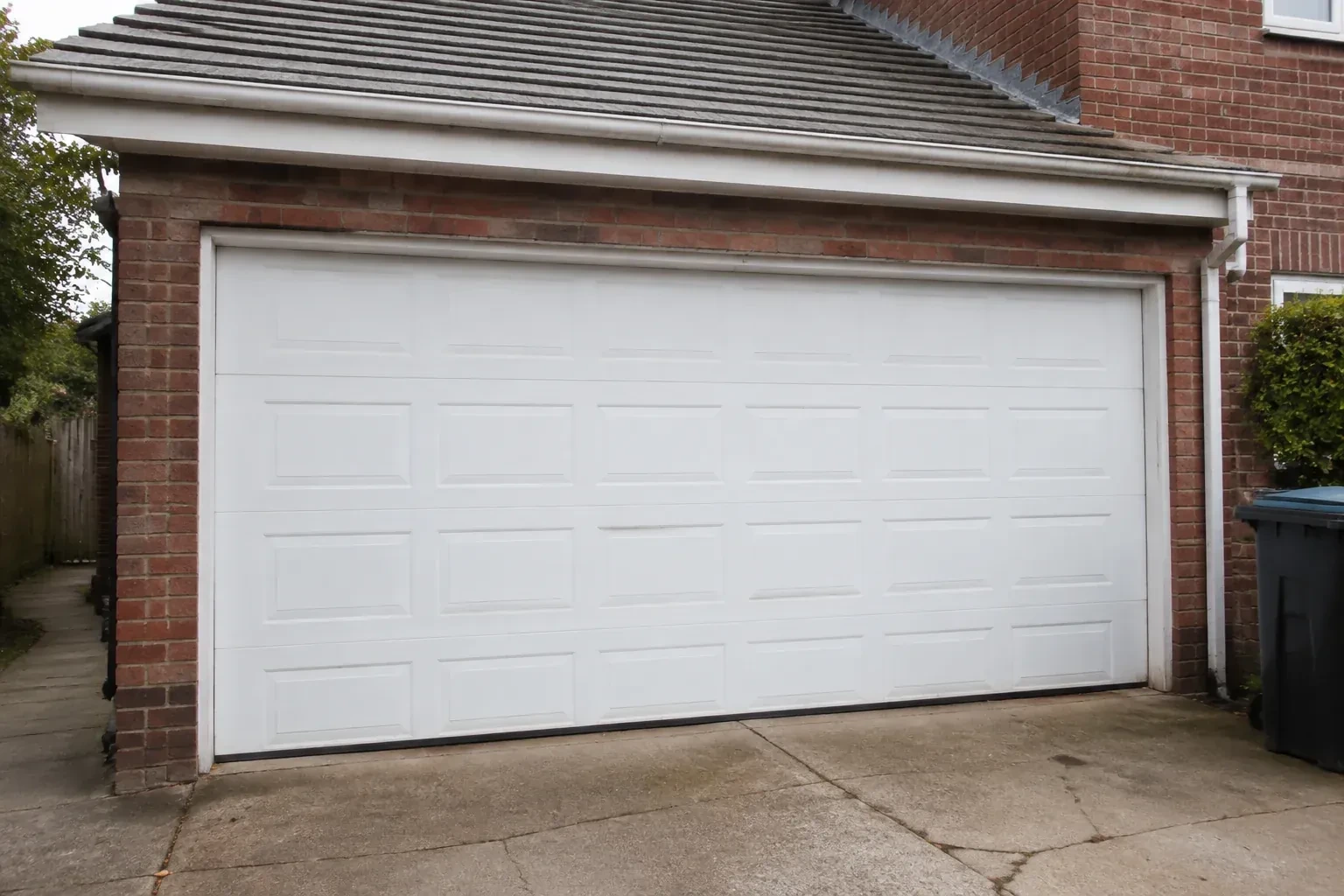
Where homes are newer, the garage is usually attached and often has living space over it, so the door forms part of the insulated envelope. Insulated panels, tight perimeter weatherstrip and a good bottom seal make a real difference to the comfort of the room above.
Single-detached houses make up about 63% of homes in Vaughan (2021 Census).
Mostly houses
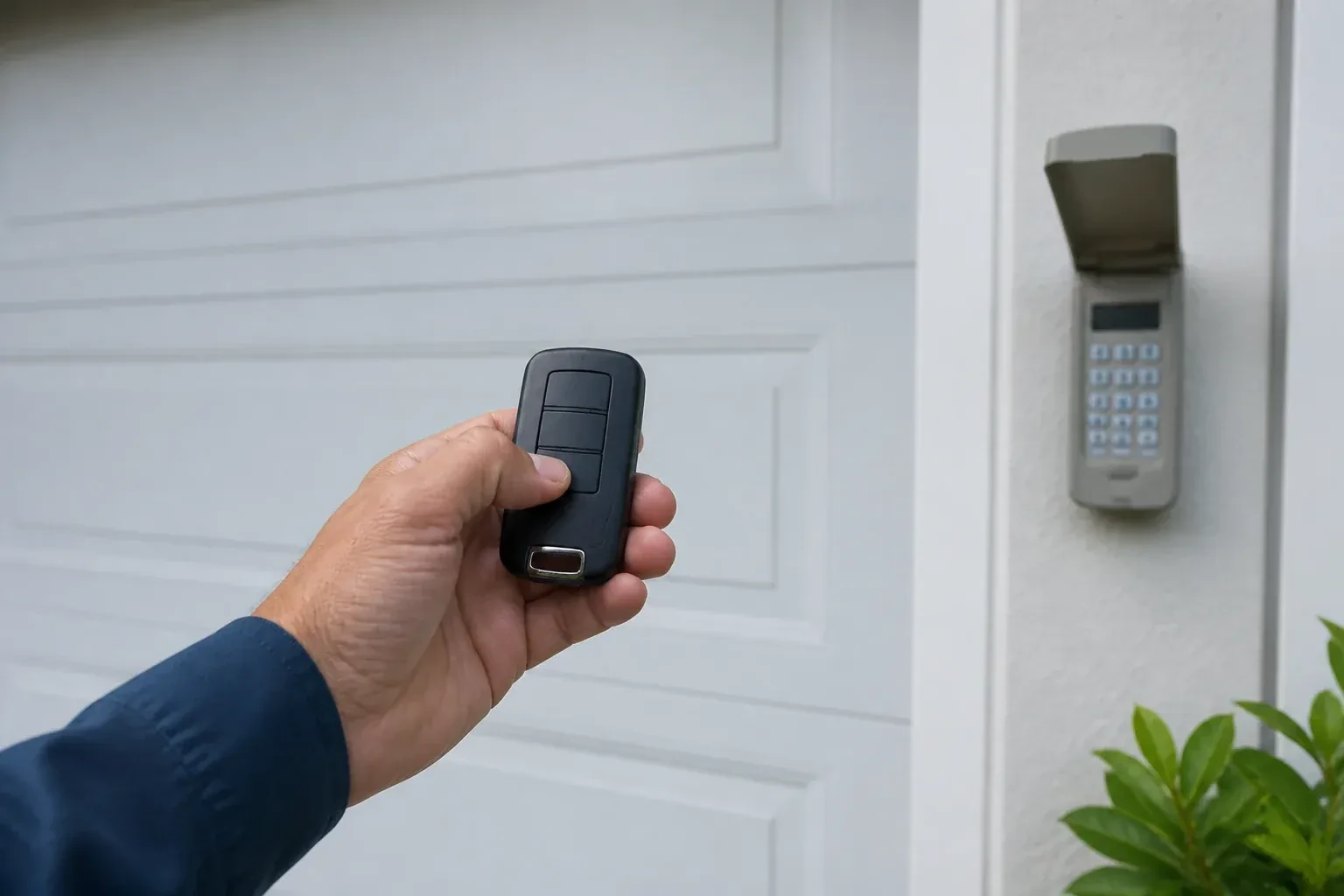
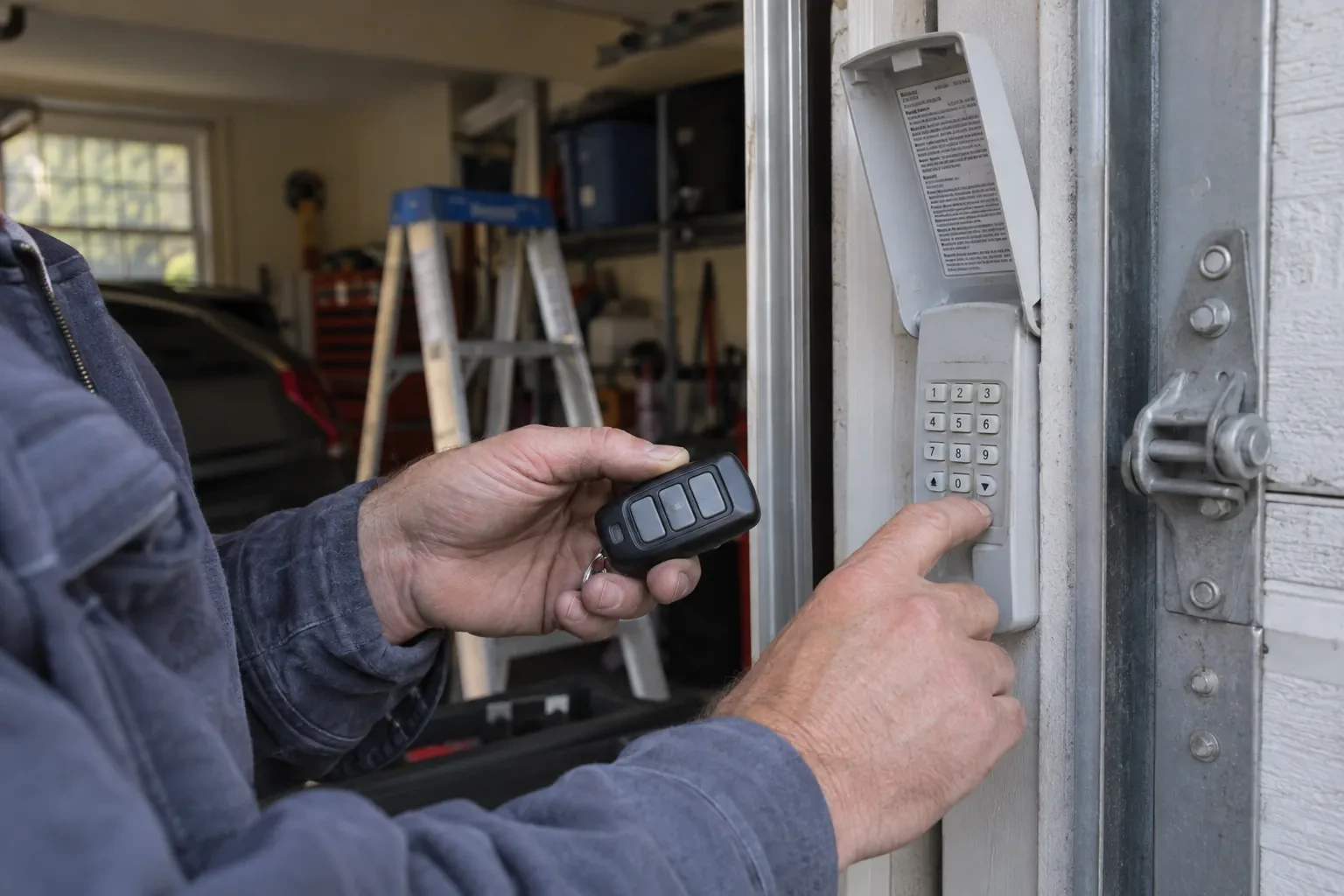
Households in detached homes often have several remotes, a keypad and a phone app between family members and their cars. We keep all of them programmed to the opener, replace the ones that have failed, and explain how to add a new one when a car changes hands.
It has been a hard winter. The bottom seal froze to the slab twice, the opener groaned each morning, and one afternoon you noticed a cable on the left side hanging with a little slack in it.
From outside, the horizontal groove between two sections now steps sideways by a centimetre. One section has shifted on its hinges after a roller jumped the track, and on the way down the door catches at exactly that point.
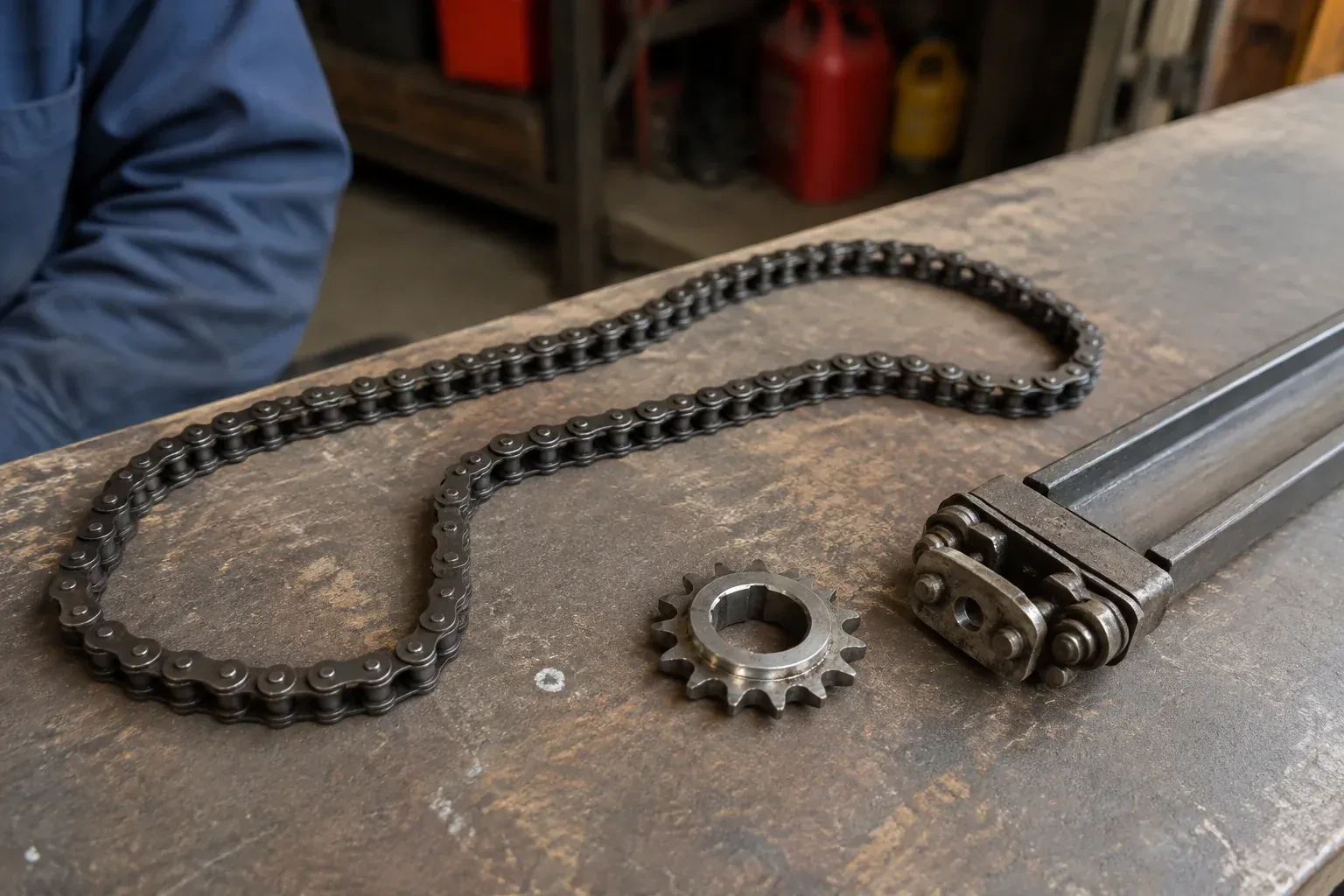
The chain hangs in a loop under the rail and slaps against it on every cycle. It used to sit snug. Now the whole house hears the door leave, and the sound has a metallic clatter it never had before.
It is minus twenty in the detached garage and the door climbs in jerks, the belt stiff as a board. By the afternoon, when the sun has been on the door, it runs almost normally again.
The new car has three buttons in the mirror for garage doors. You held the old remote up to it as the manual said, the light in the car changed, and yet the door ignores it completely. The handheld remote works fine.
You are twenty minutes down the highway when the thought lands: did the garage door close behind you? You cannot picture it. Turning back means being late, and not turning back means wondering about it all day.
Someone pulled the cord last spring to get a car out during an outage, and the door has never properly rejoined the opener. Press the button and the trolley glides along the rail by itself while the door stays exactly where it is.
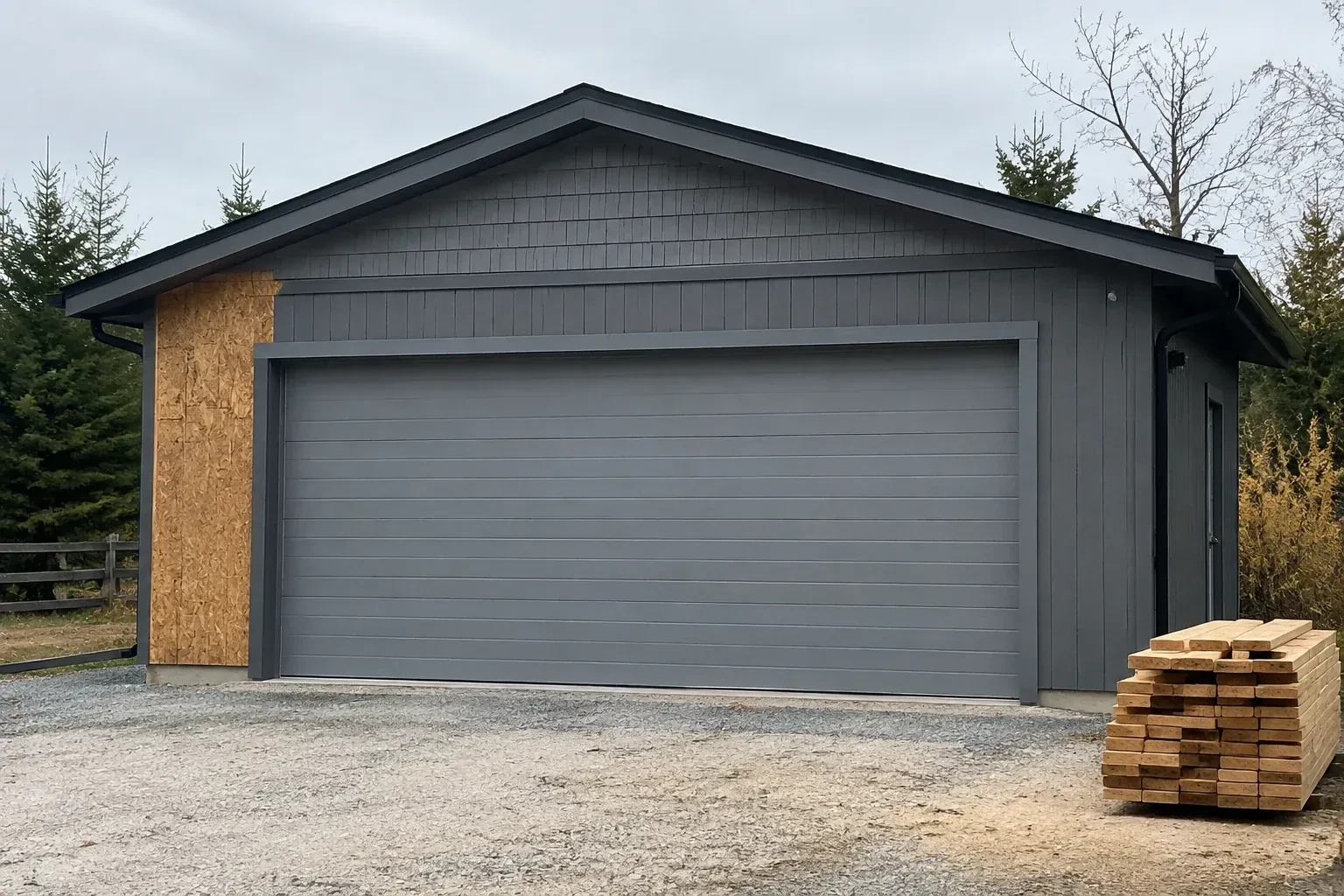
Two new garage openings sit side by side on the same elevation. Their door sections, window layouts and tracks need consistent alignment while each system remains properly matched to its own size and weight.
The door reaches the floor, then reverses before staying closed. The threshold is clear, but a sensing edge is distorted and one photoelectric sensor has moved out of line with its partner.
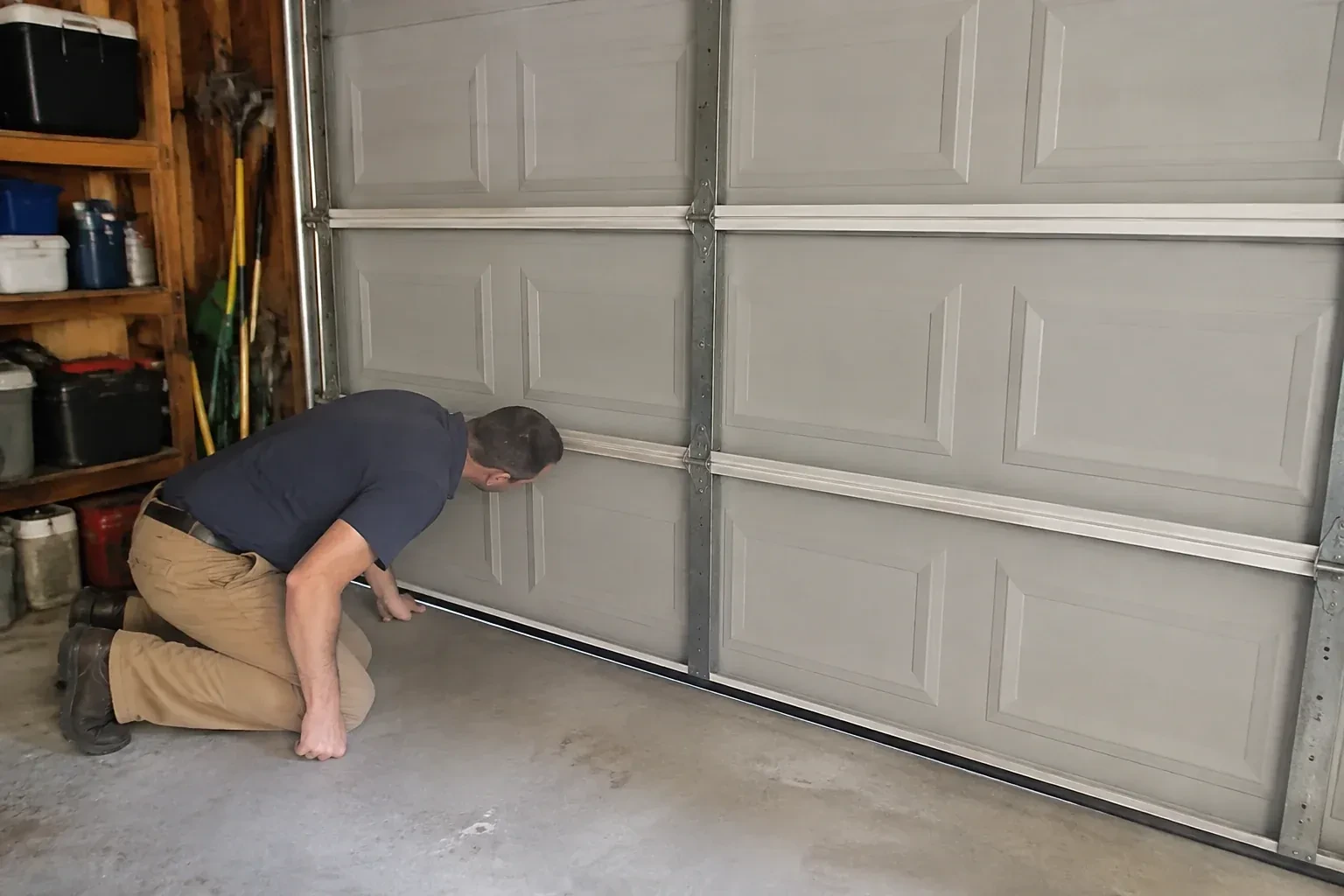
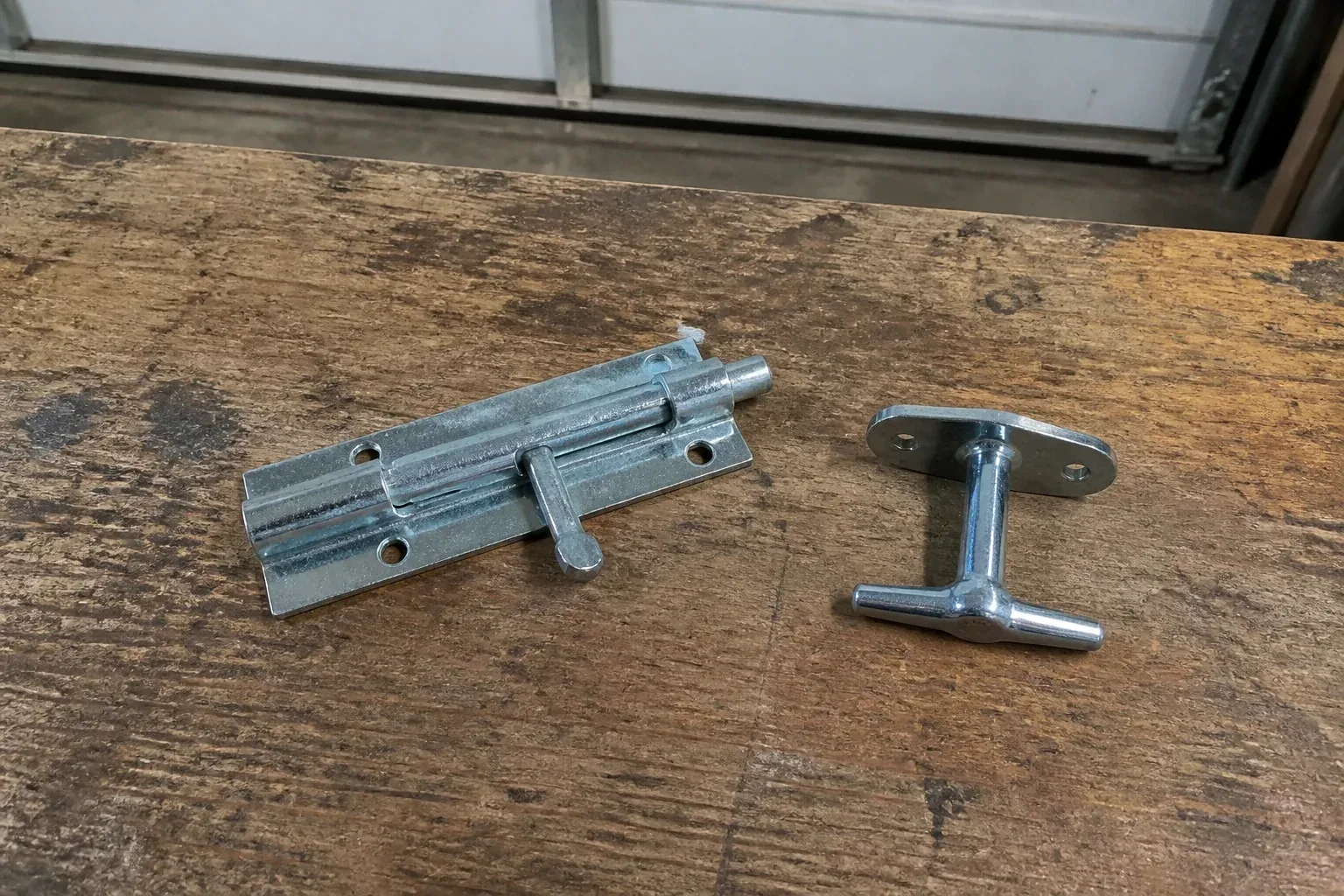
At closing time, the bottom bar reaches the floor on one end while daylight remains under the other. The slide bolts miss their keepers, leaving staff unable to secure the business opening in its usual way.
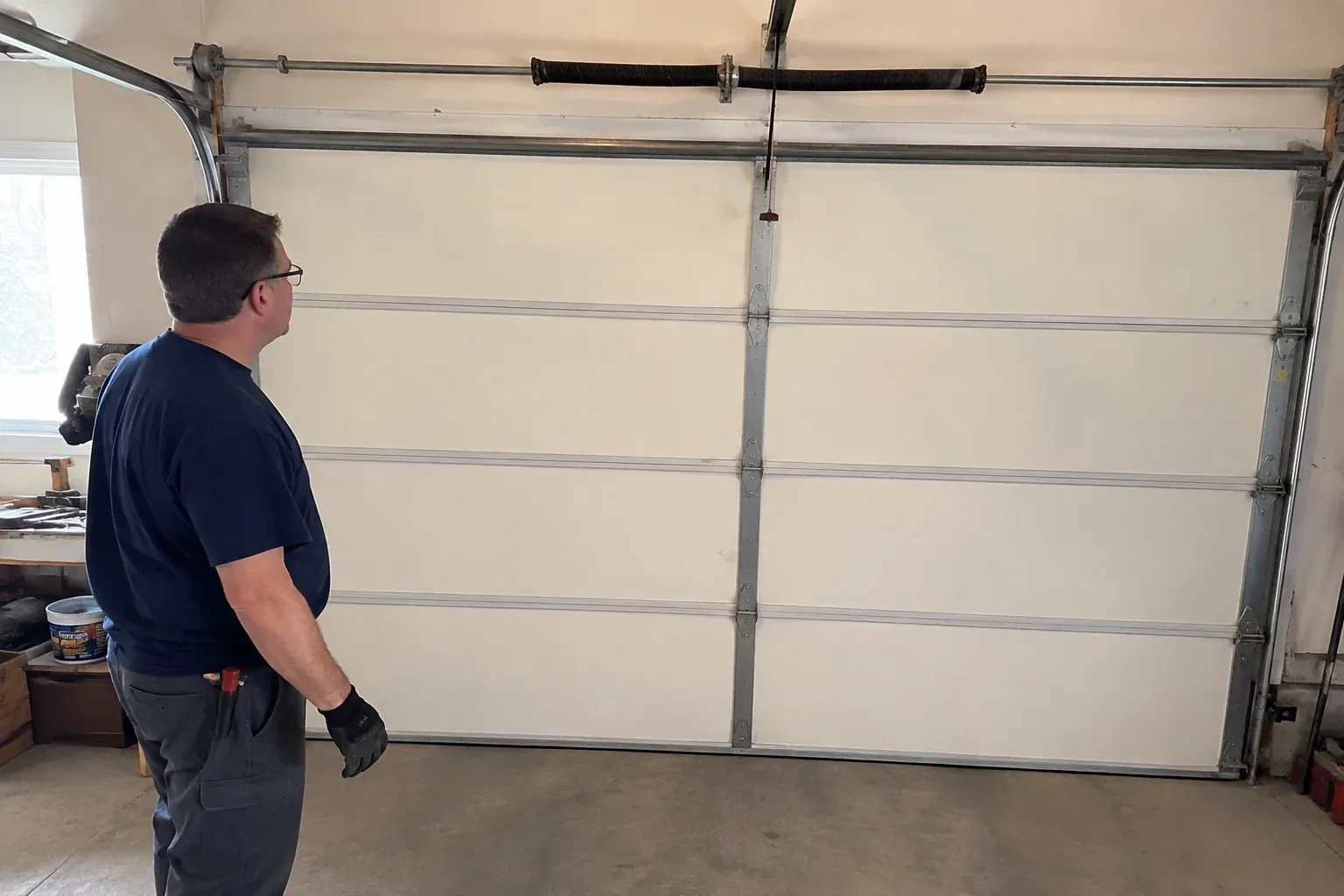
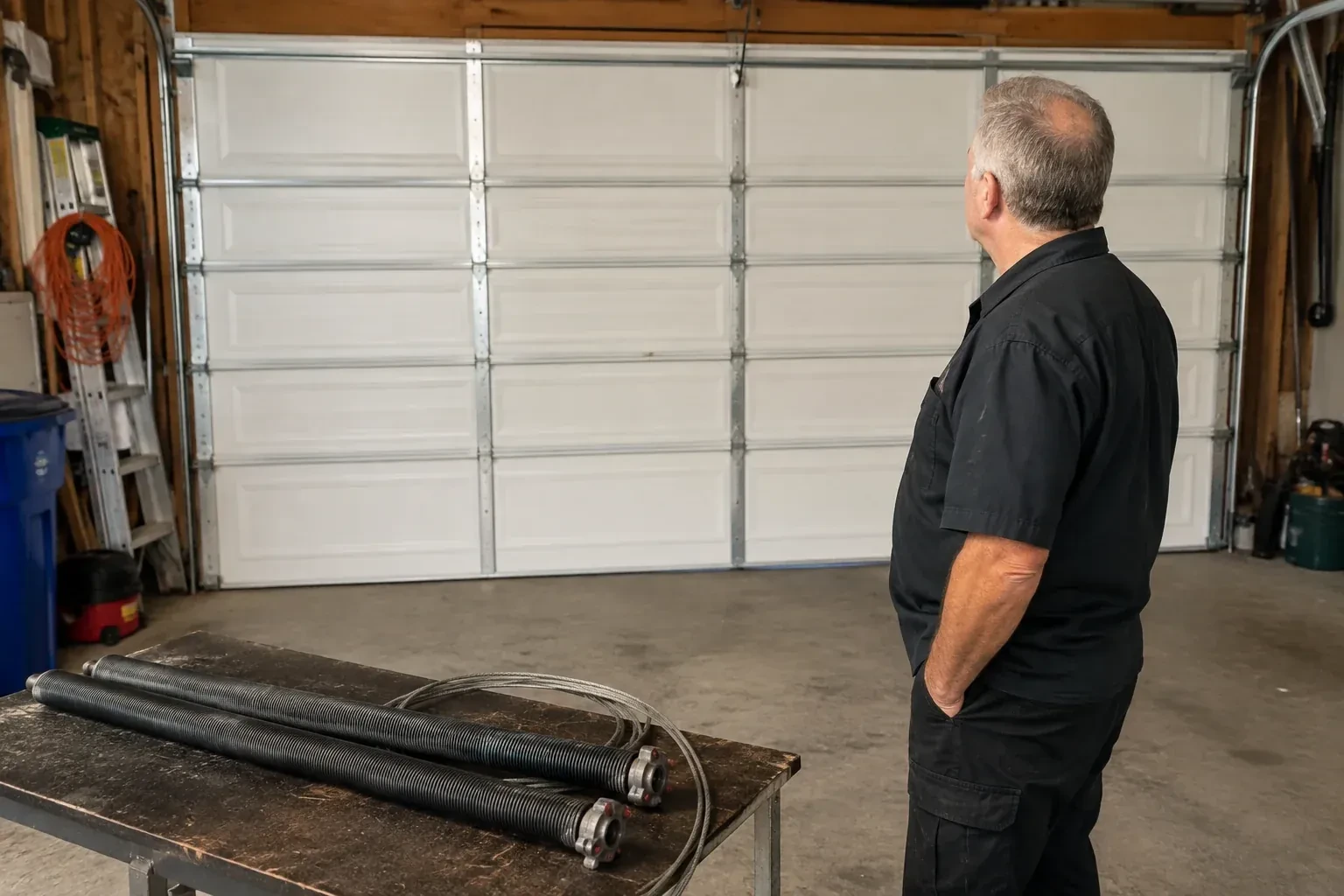
Doors that are hard to lift by hand, or that slam shut when released, are out of balance. Balance lives in the springs, and the services here restore it, whether that means new springs, a fresh cable or a careful adjustment.
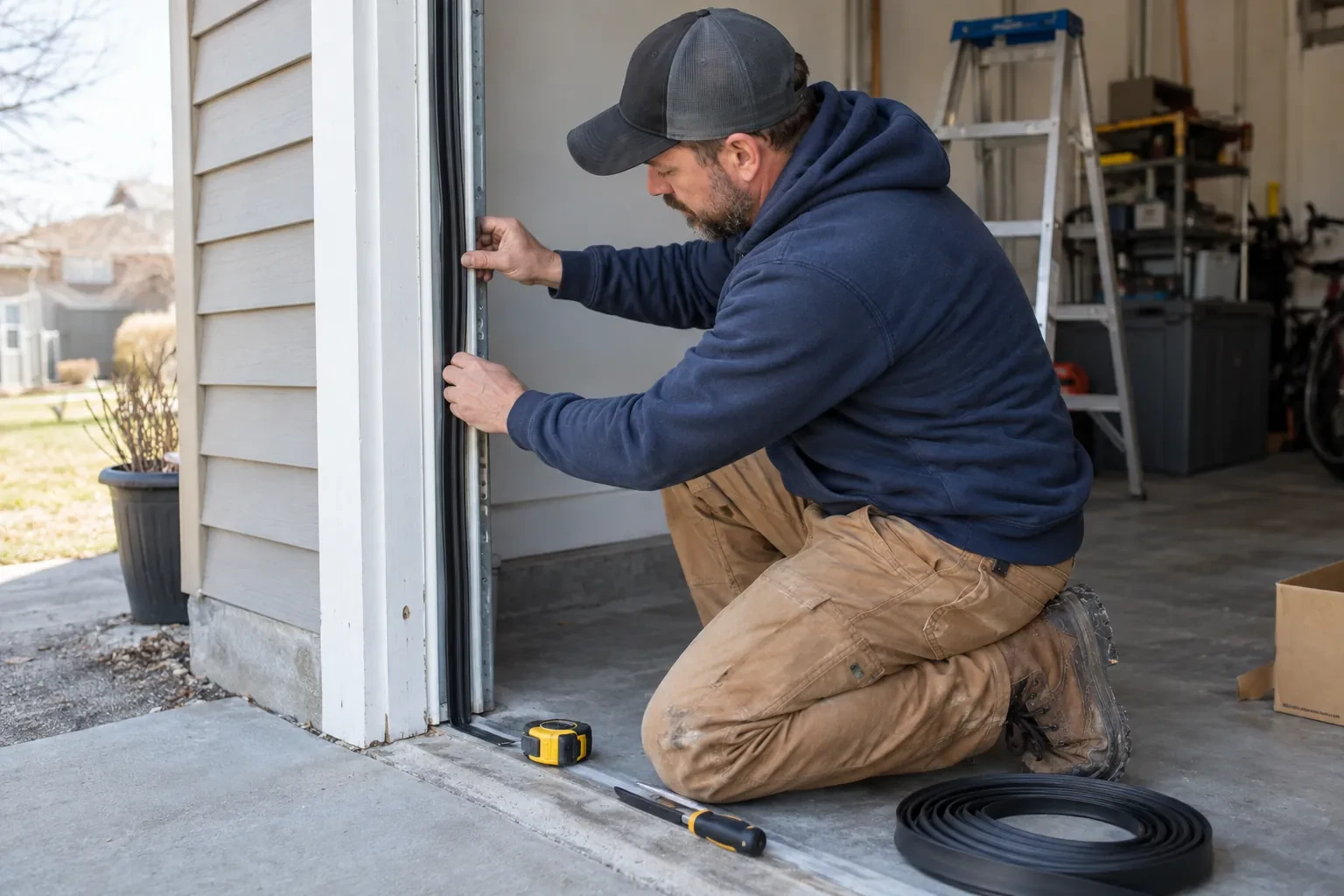
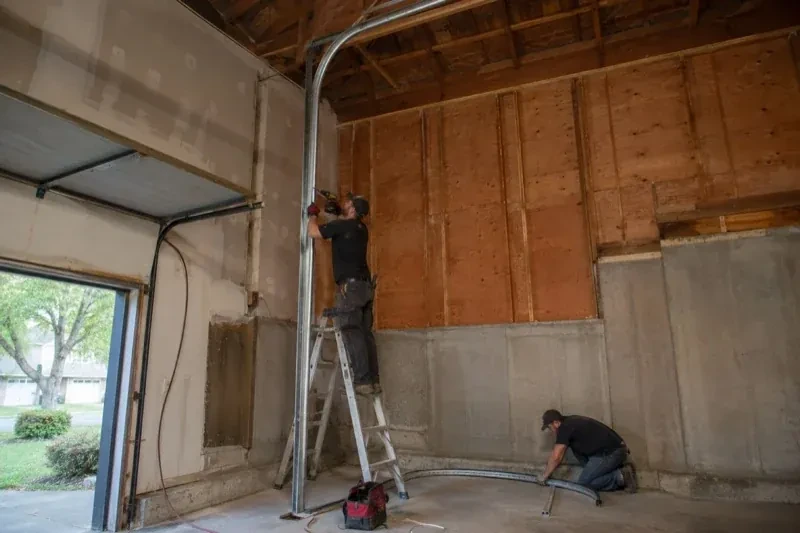
New doors arrive with new hardware, and the installation sets it all up from scratch: tracks aligned, springs matched, rollers seated, seals fitted and the opener paired. When we leave, the door runs as its maker intended.
It is the contact-reversal check. A short length of 2x4 lies flat on the floor in the middle of the opening and the door is closed from the wall button. When the bottom edge meets the wood, the door should halt and travel back up without help. Passing shows the opener's down-force and travel limits are set to back off from something solid. The technician never substitutes a hand or foot for the board.
Does a new section bring back the door's original strength?
A section ordered to the same specification carries the same steel gauge, core and reinforcement as the original, and it is fitted with sound hinges, new fasteners and, where the design calls for it, a strut. Combined with the alignment and balance work done at the same time, the door returns to operating the way its manufacturer designed it to. Where an original section had bowed for want of a strut, adding one leaves that part stiffer than before.
What does the sprocket do, and how does it wear?
The sprocket is the toothed wheel on top of the motor head that pulls the chain. Every cycle drags the chain over its teeth, and over years the teeth wear thin and hooked, letting the chain ride up and skip under load, often at the same point on the rail each time. A sprocket that has loosened on its shaft lags behind the motor. Worn sprockets are replaced as part of the gear and sprocket assembly.
Will my remotes and keypad still work afterwards?
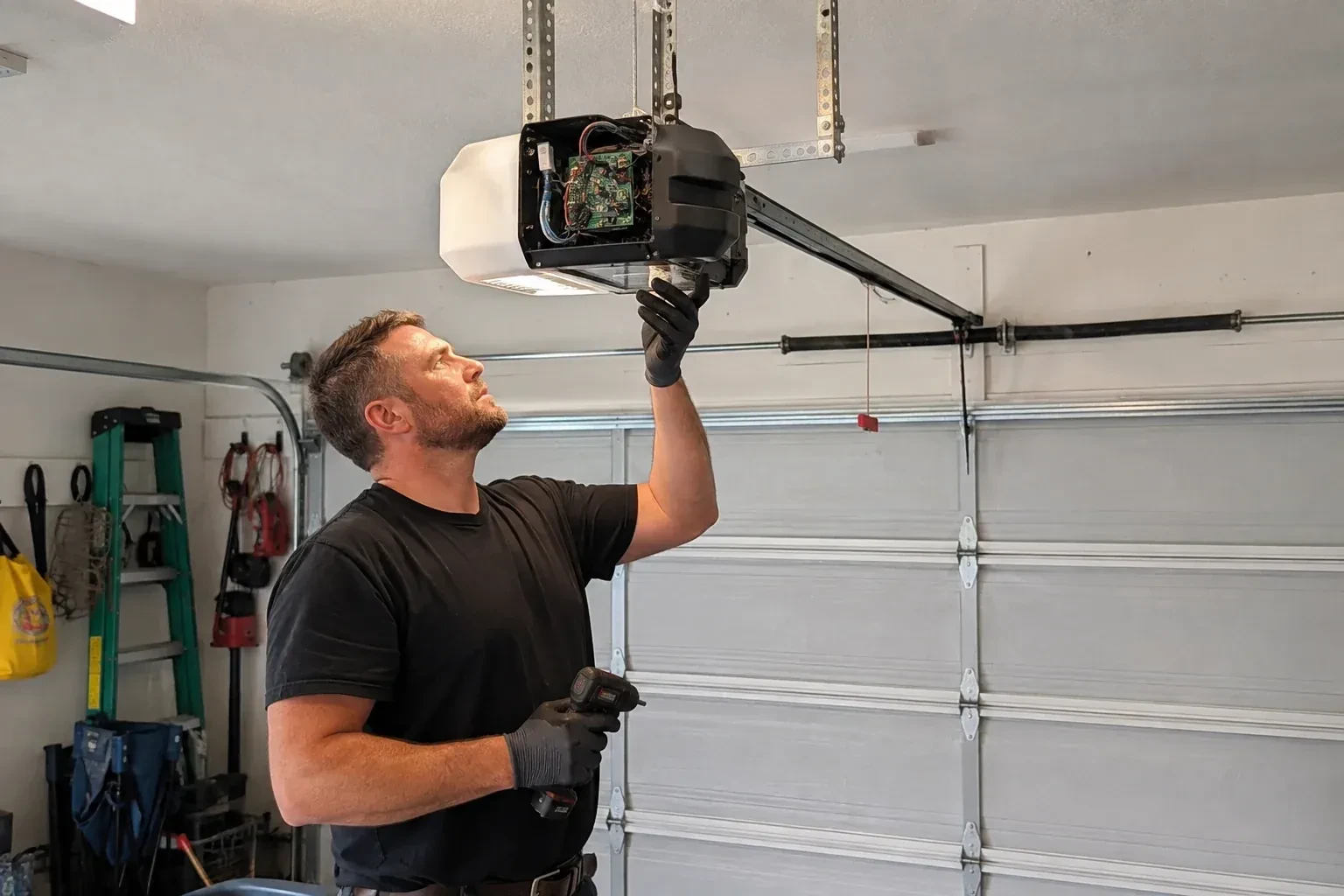
Yes. Belt, trolley and pulley work happens on the rail and leaves the operator's memory untouched. Replacing the gear at the motor head means opening the head unit, and on some models that is a good moment to confirm every remote, the keypad and any in-car buttons afterwards. The technician tests each before leaving and re-teaches any that need it.
My older car's button will not learn my new opener. Why?
Some in-car systems from earlier model years cannot hear the newest opener radios directly. The usual answer is a small compatibility bridge module that pairs with the opener and relays the car's signal, or a handheld remote clipped to the visor. The technician identifies the car's system and the opener's generation and chooses whichever gives a reliable result.
What does the colour of the learn button tell you?
On many openers the learn button's colour marks the generation of radio coding the unit uses, which decides how a hub can talk to it. Some generations accept a simple two-wire connection at the wall-control terminals; others use an encrypted console and need the hub paired by radio or through a small adapter. Sending a photo of the button and the label ahead of the visit lets the technician arrive with the right hardware.
Can I replace the cord and handle myself?
A rope and handle kit is a simple part, and many homeowners fit one. The details matter, though: the knot at the lever has to hold under a hard pull, the handle has to end up at the right height, and the lever should be checked for wear while you are up there. If the cord failed because the lever or trolley is worn, a new rope alone leaves the real fault in place. Have it done as part of a release check and both get looked at.
What electrical preparation does a garage door operator need?
Preparation commonly includes a receptacle near the planned operator, a suitable mounting location and routes for the wall control and photoelectric sensor wiring. Exact electrical requirements follow the chosen equipment and project electrical design. Coordinating locations before drywall helps keep wires clear of tracks, springs and moving sections. The electrical trade and door installer should also agree who completes connections and when power becomes available for commissioning.
Can bent track be straightened or must it be replaced?
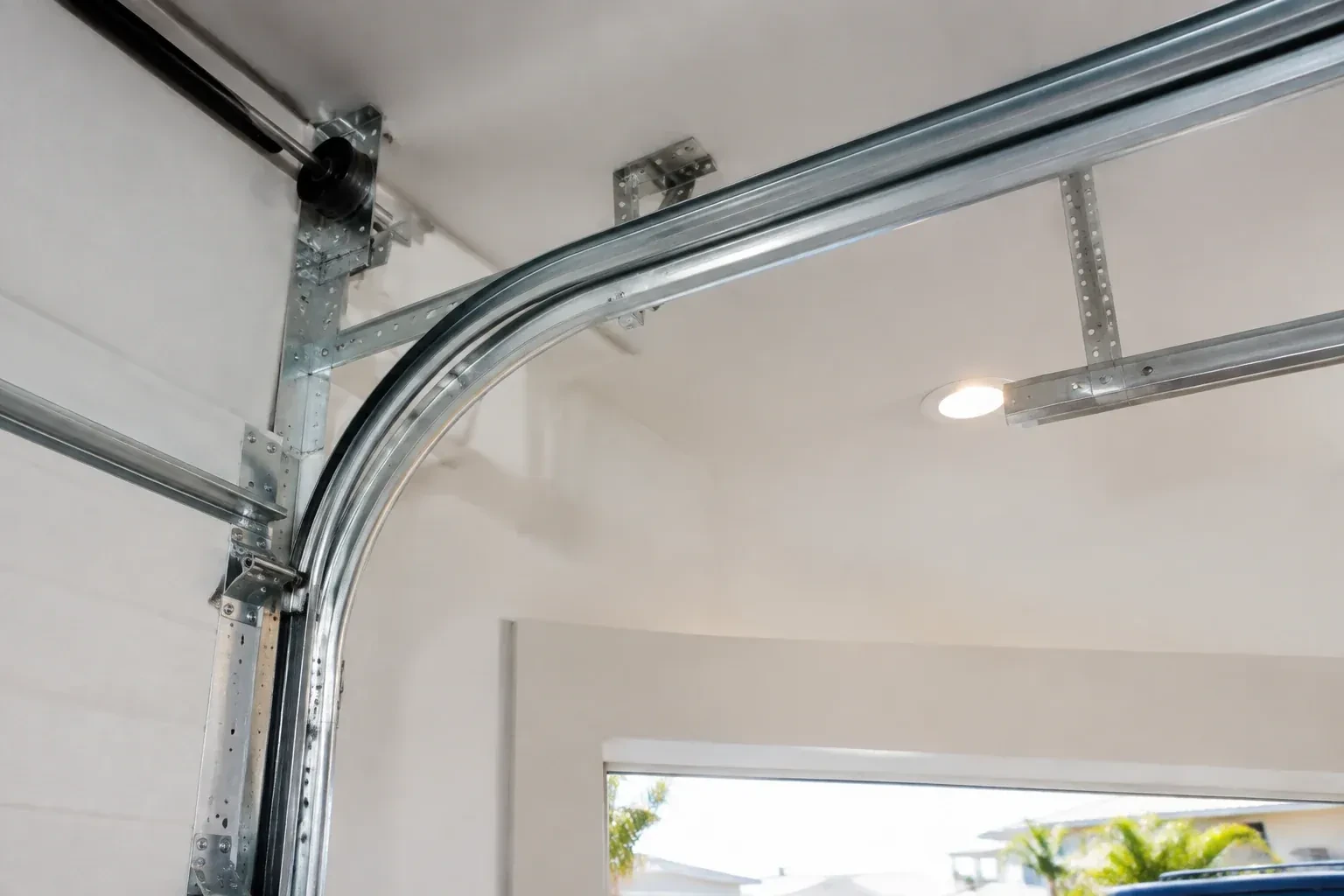
That depends on the location and degree of deformation. A minor change in an accessible straight section may be corrected while restoring spacing and support. A sharply creased rail, damaged curve, opened seam or track that can no longer hold the roller securely usually calls for a compatible replacement. Brackets, anchors and adjoining track are checked either way.
Why is the bottom bar rising crooked?
An angled bottom bar can point to a shifted curtain, damaged slats, unequal guide friction, a moved barrel, impact at one guide or a counterbalance issue. Measurements at the sill, guides and brackets help separate those causes. Cycling is kept controlled because repeated powered movement can pull a minor tracking problem farther sideways.
Request a visit
What people in Sherwood can expect from us: a technician who arrives when he said he would, looks at the door properly, explains the cause, gives a price on site before starting, does the work carefully with the door secured, tests it through full cycles, and leaves the garage as tidy as he found it.