New Doors · Sherwood
New-Construction Garage Door Installation in Sherwood
Power and low-voltage wiring are being roughed in while the garage is open.
In plain words
When an electric operator is included, door installation and electrical preparation meet at several points. The ceiling receptacle, operator support, wall control route and sensor locations are confirmed before equipment is mounted. The sectional door itself is assembled, tracked and counterbalanced first, because the motor is intended to move a balanced system. The operator is then connected with appropriate door reinforcement, its travel is set, and the reversal and photoelectric functions are checked during commissioning.
How the visit goesTwo new garage openings sit side by side on the same elevation. Their door sections, window layouts and tracks need consistent alignment while each system remains properly matched to its own size and weight.
New-Construction Garage Door Installation
How the visit goes
Reading the floor and driveway transition
The bottom seal can only follow the surface beneath it, so final floor conditions matter. The installer checks whether the slab is complete, where its high and low points sit, and how the interior floor meets the exterior approach. Drainage slope, coatings and planned finishes are discussed if they will change the landing elevation. This establishes the opening height and shows whether the seal can make even contact across the width. It also prevents a temporary construction surface from becoming the permanent reference for door position and travel limits.
Commissioning movement and safety functions
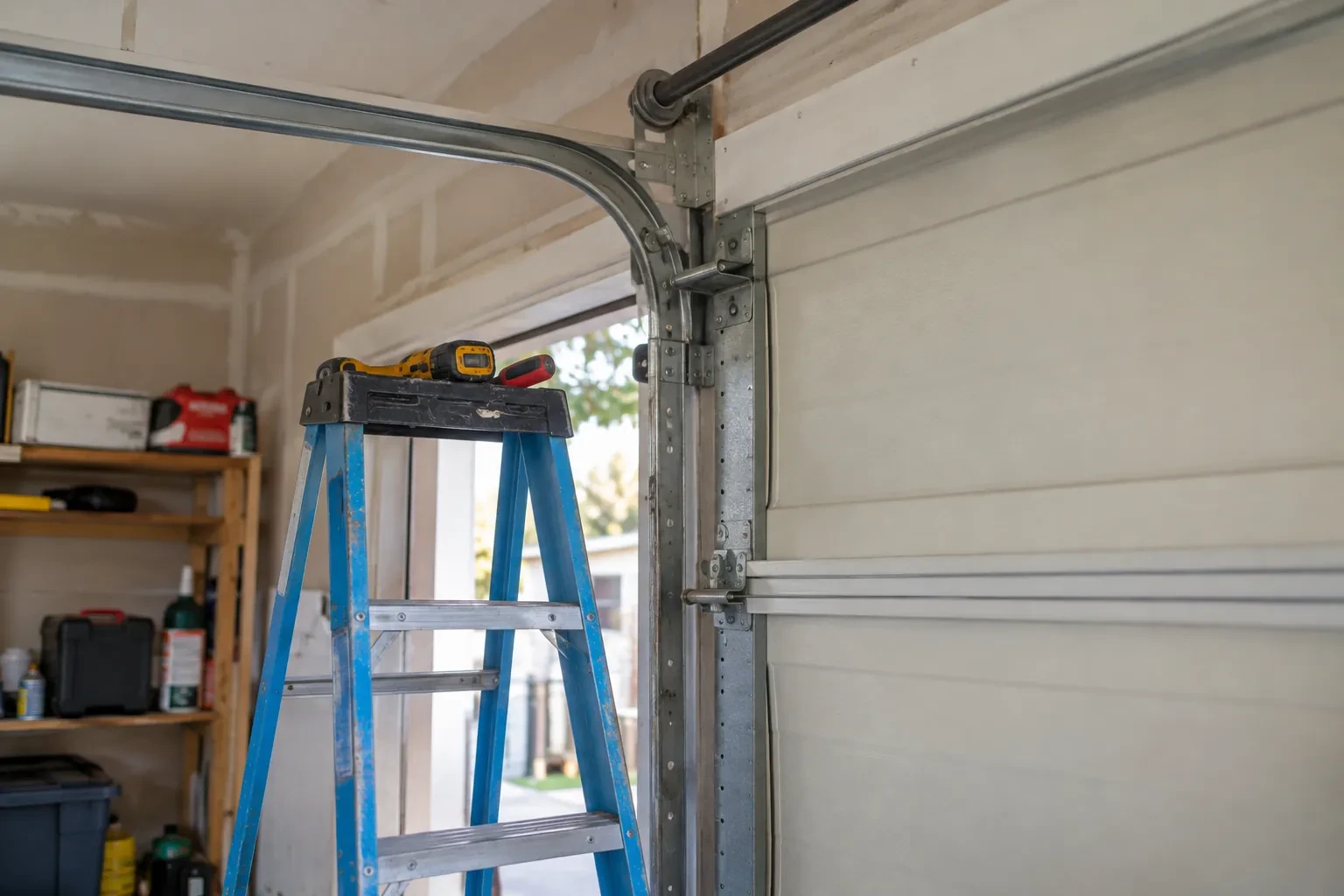
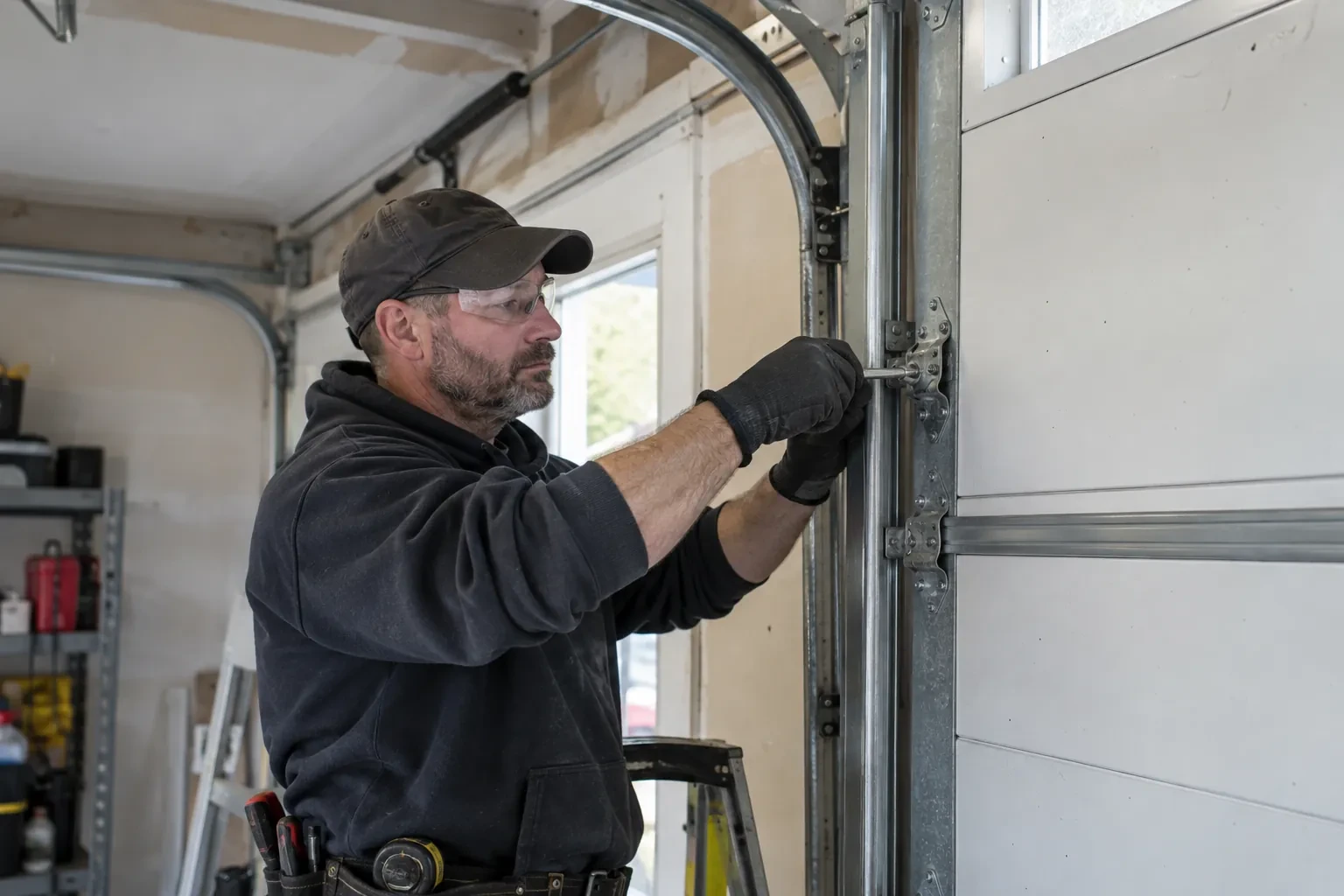
Commissioning begins with the operator disconnected so manual balance and full travel can be observed directly. Rollers should remain guided, cables should track correctly and the door should move without rubbing or drifting out of level. Hardware, hangers and supports receive a final visual and physical check. Powered systems are then cycled through opening and closing, with limits, reversal response and photoelectric controls tested. The installer listens for contact points, confirms the door seats at the floor and verifies that manual release returns control to the user.
A finished perimeter around the opening
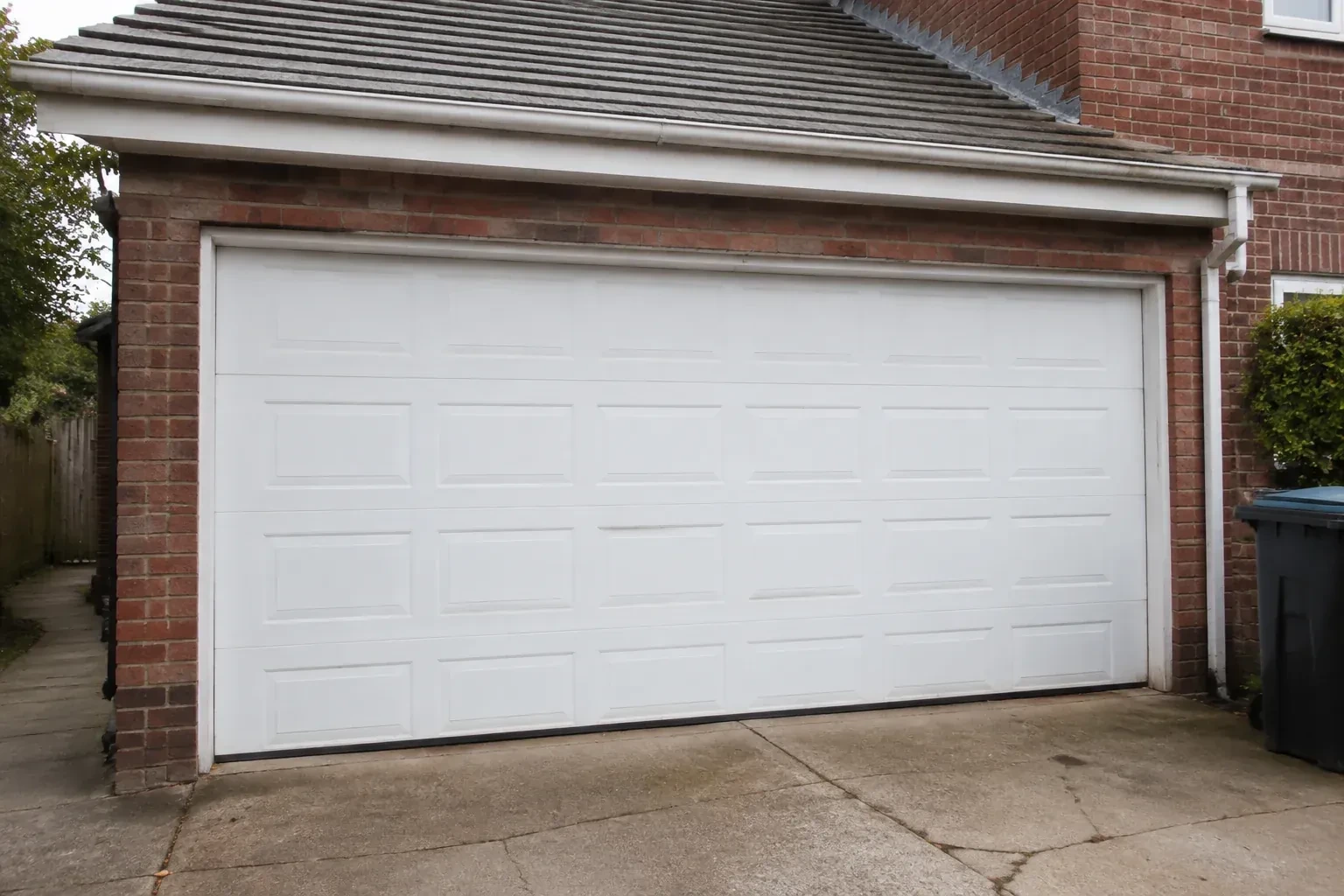
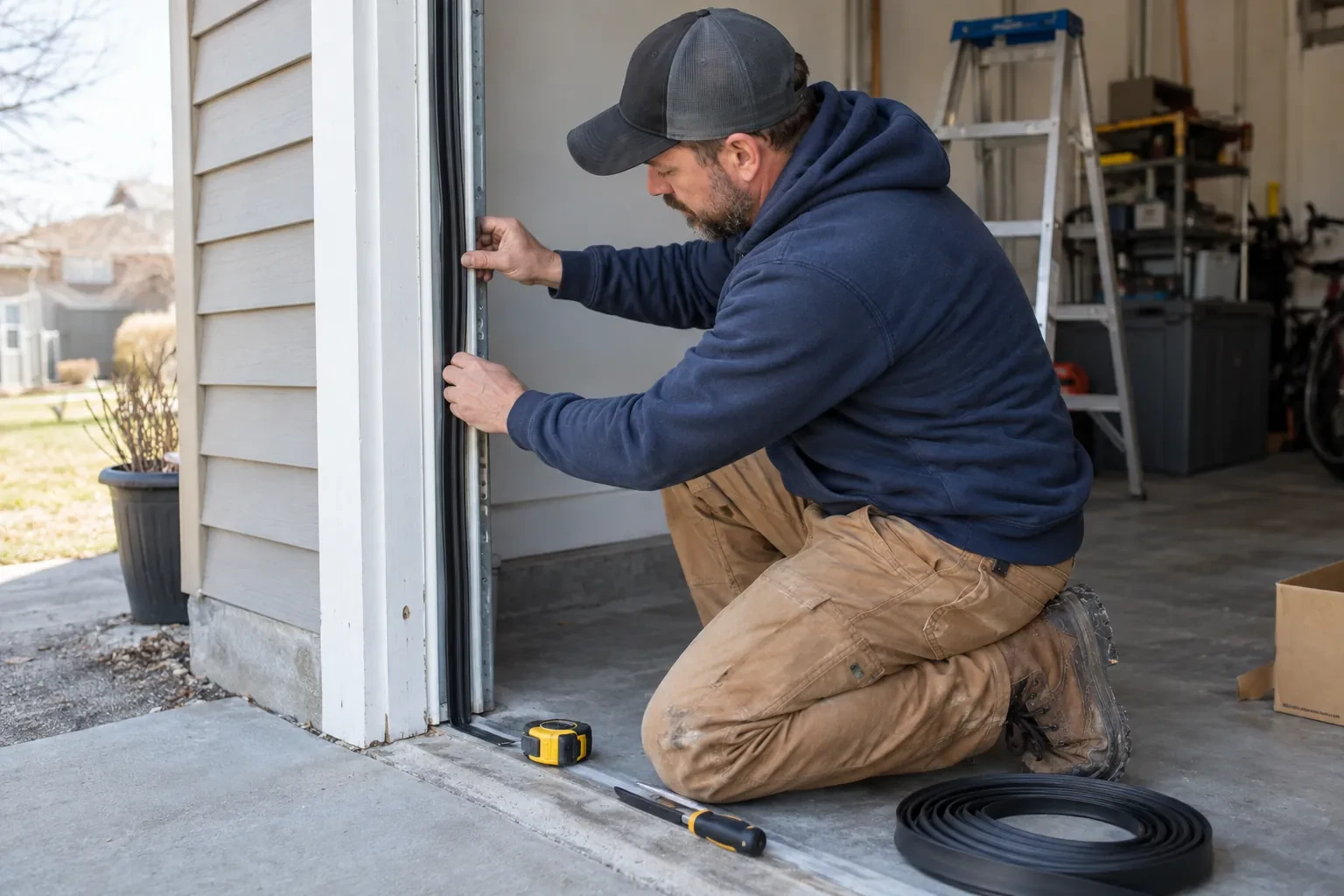
The closed door presents even margins at the jambs and header, with the bottom seal resting across the finished floor and perimeter moulding meeting the exterior face. These flexible materials reduce drafts, light and weather entry while allowing the sections to move freely. The handoff identifies any caulking, cladding or floor work that another trade still owns. Once surrounding construction is complete, keeping paint, mortar and floor coatings off the seals and tracks preserves the fit established during installation and leaves the door ready for normal seasonal movement.
New-Construction Garage Door Installation
In the van
Bottom and perimeter seals
Bottom brackets
Track hangers and bracing
Torsion shaft and bearings
Track rollers
New-Construction Garage Door Installation
What affects the quote
Operator and drive type
Manual operation and powered operation are different scopes. A selected ceiling-mounted or shaft-mounted operator adds equipment, supports, connection hardware, setup and commissioning to the project.
Delivery and work-area access
Long sections need a suitable route into the garage and protected space for staging. Restricted access, occupied work zones or special lifting needs change the installation plan.
Electrical preparation
The location and readiness of power, control wiring and sensor routes affect coordination. Electrical work outside the door install remains a clearly identified project responsibility.
What to have ready
- Will the garage include a vehicle lift or unusually tall parking?
- What headroom, sideroom and backroom are available around each opening?
- What are the planned finished width and height of each opening?
New-Construction Garage Door Installation: questions
QuestionsWhat information is useful before requesting an installation quote?
Share the construction drawings, opening count, intended sizes, current build stage and photos of the interior and exterior. Note ceiling height, roof slope, beams, ducts, lighting and any planned vehicle lift or storage. Door style, insulation, windows, operator and control preferences help define the package. Also identify who manages framing, electrical work, exterior trim, permits and the project schedule.
What electrical preparation does a garage door operator need?
Preparation commonly includes a receptacle near the planned operator, a suitable mounting location and routes for the wall control and photoelectric sensor wiring. Exact electrical requirements follow the chosen equipment and project electrical design. Coordinating locations before drywall helps keep wires clear of tracks, springs and moving sections. The electrical trade and door installer should also agree who completes connections and when power becomes available for commissioning.
What is the difference between a rough opening and a finished opening?
A rough opening is the framed construction opening before its final jamb surfaces, cladding returns or other finishes are applied. The finished opening is the clear width and height the installed door actually closes against. Door sizing and seal position rely on that final geometry. Reviewing both helps the project team place framing correctly while preventing finish thickness from quietly reducing the space reserved for the selected door.
Related services
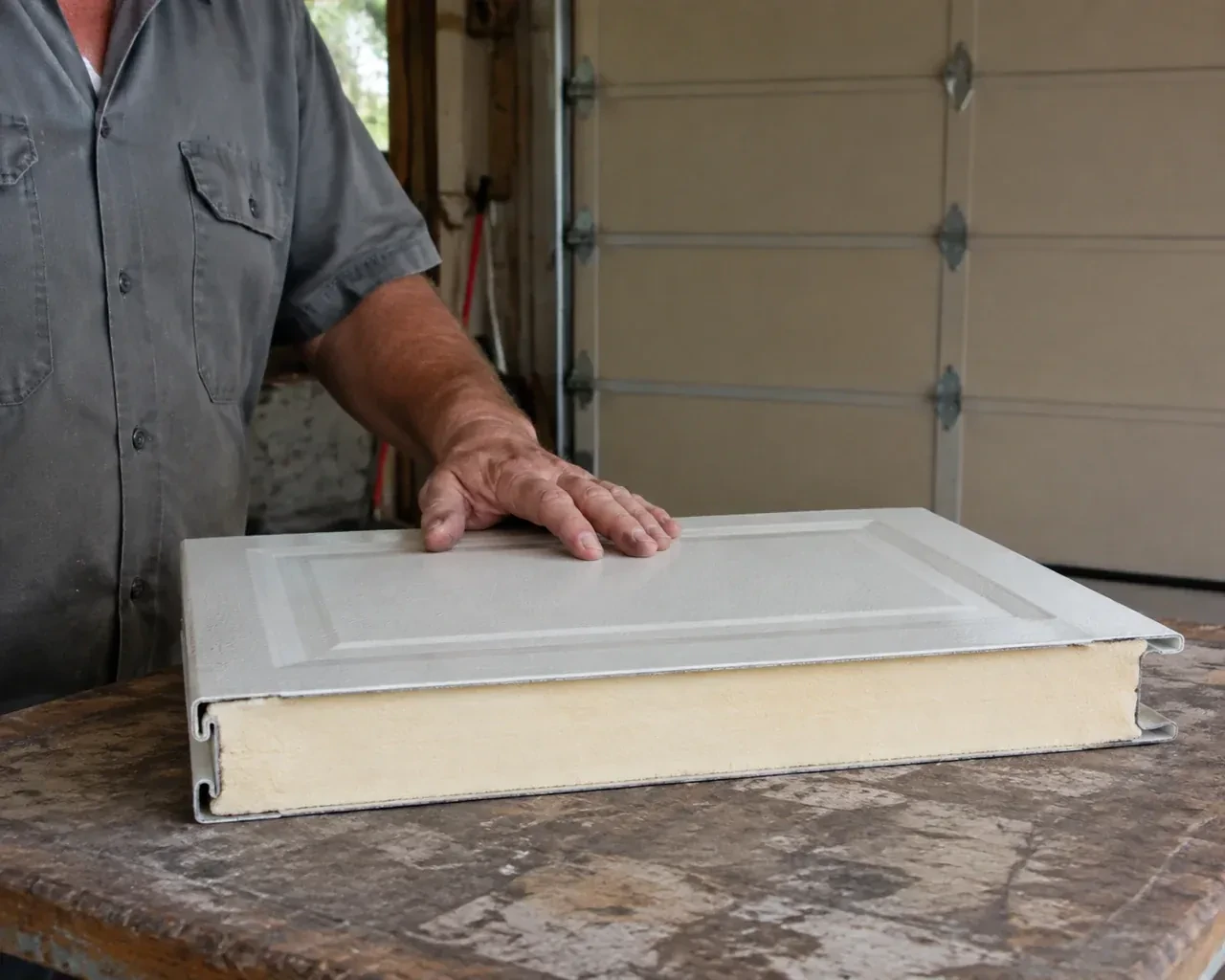
- Insulated Steel Garage Door InstallationYou want windows for natural light without turning the garage into a cold glass wall.
- Wind-Rated Garage Door ReplacementYour building designer has supplied positive and negative pressure values for the garage opening.
- Carriage-House Garage Door InstallationYour garage door works, yet its broad plain panels feel disconnected from the brick, gables and entry details around them.