Garage Doors in Maple, OntarioBuilt for winterslike ours.
Cold thickens grease, steel contracts, and a spring that was tired in the autumn lets go in the middle of a freeze. We service garage doors in Maple for the seasons they actually live through, with cold-rated lubricants, bottom seals that stay flexible below zero, and hardware that stands up to road salt. We serve Hope and Teston as well.
Cold thickens grease, steel contracts, and a spring that was tired in the autumn lets go in the middle of a freeze. We service garage doors in Maple for the seasons they actually live through, with cold-rated lubricants, bottom seals that stay flexible below zero, and hardware that stands up to road salt. We serve Hope and Teston as well.
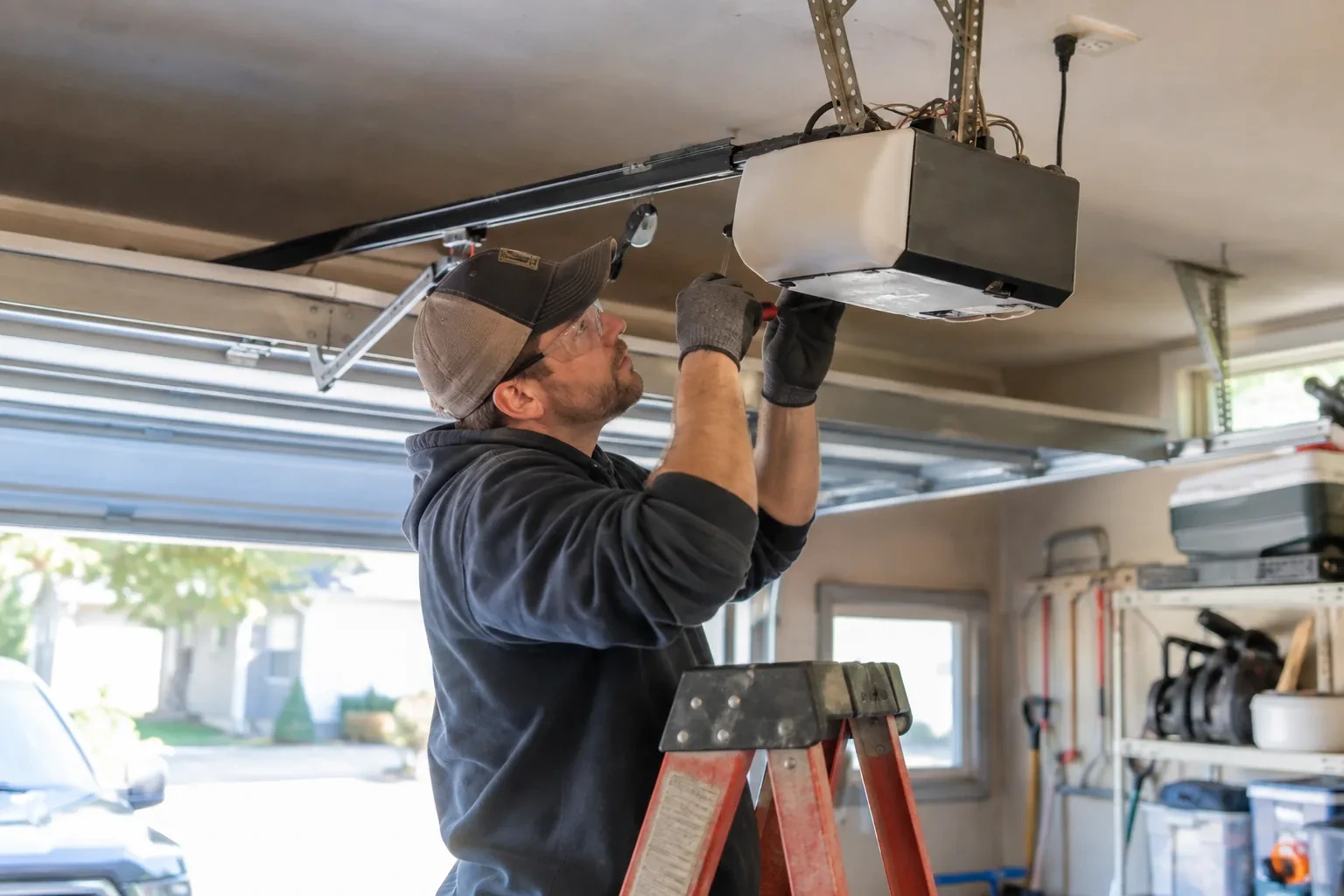
Springs, openers and everything between.
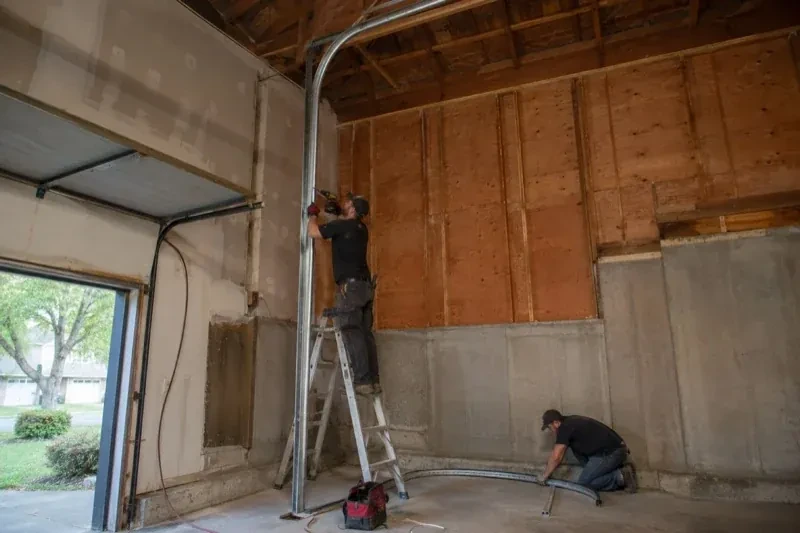
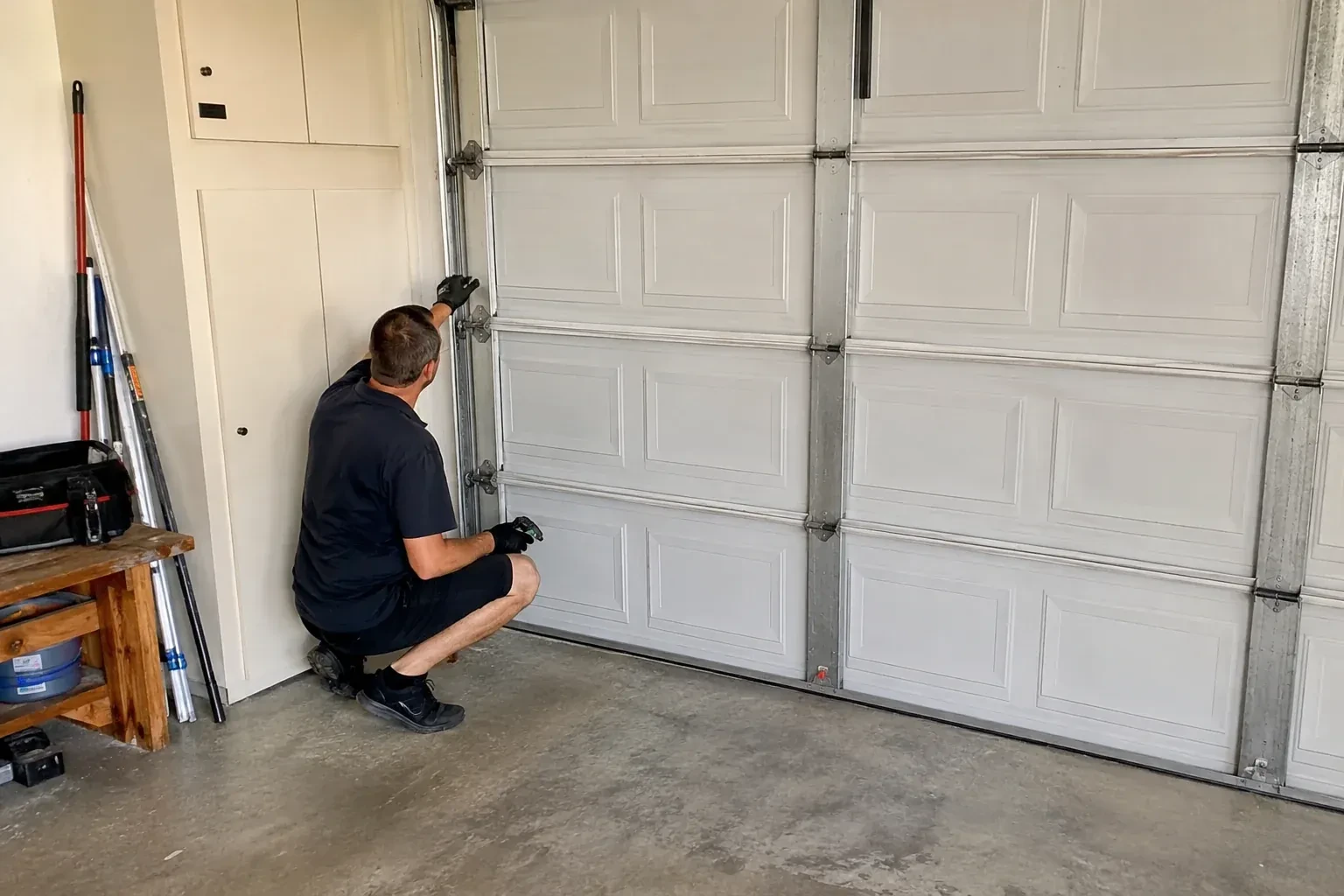
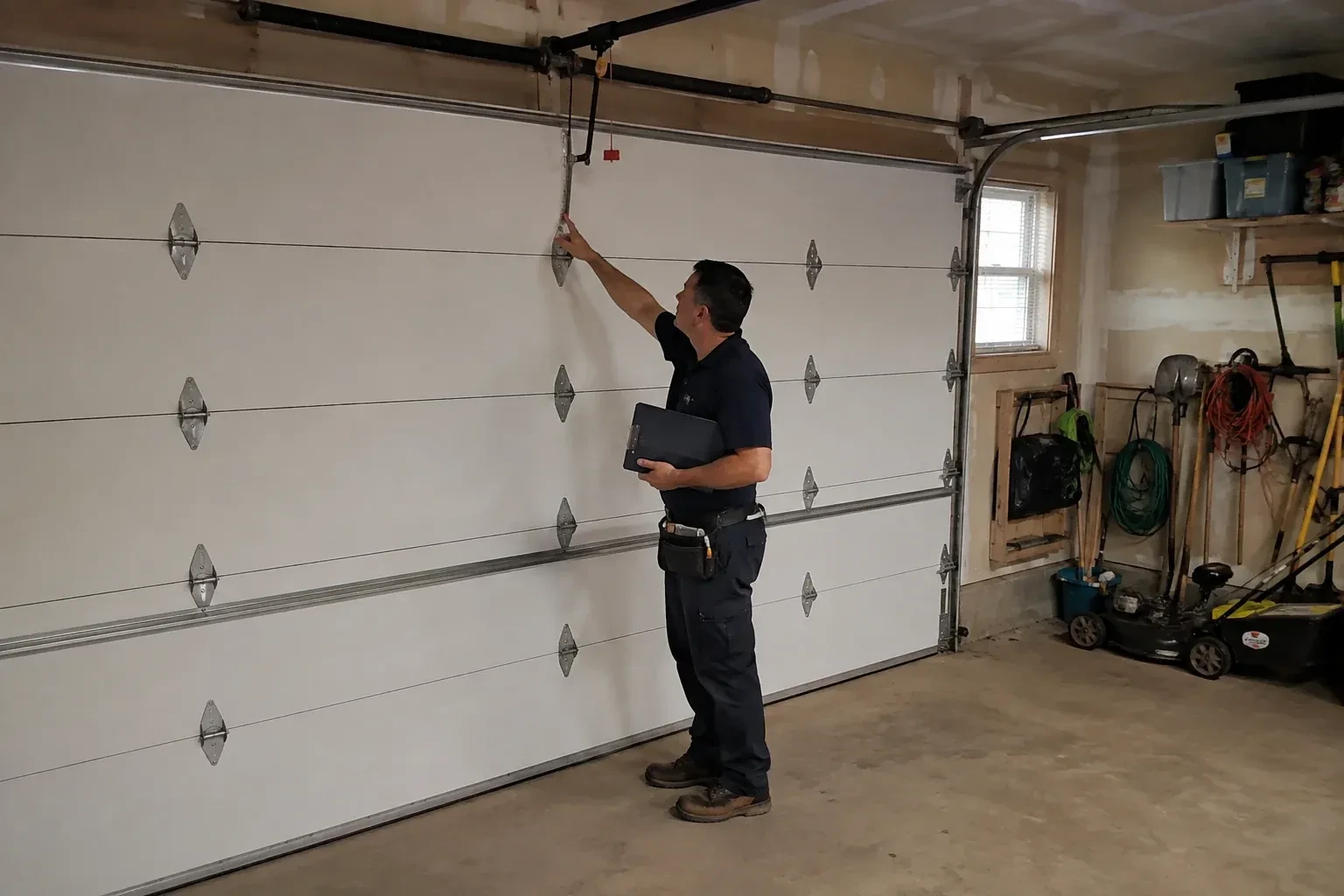
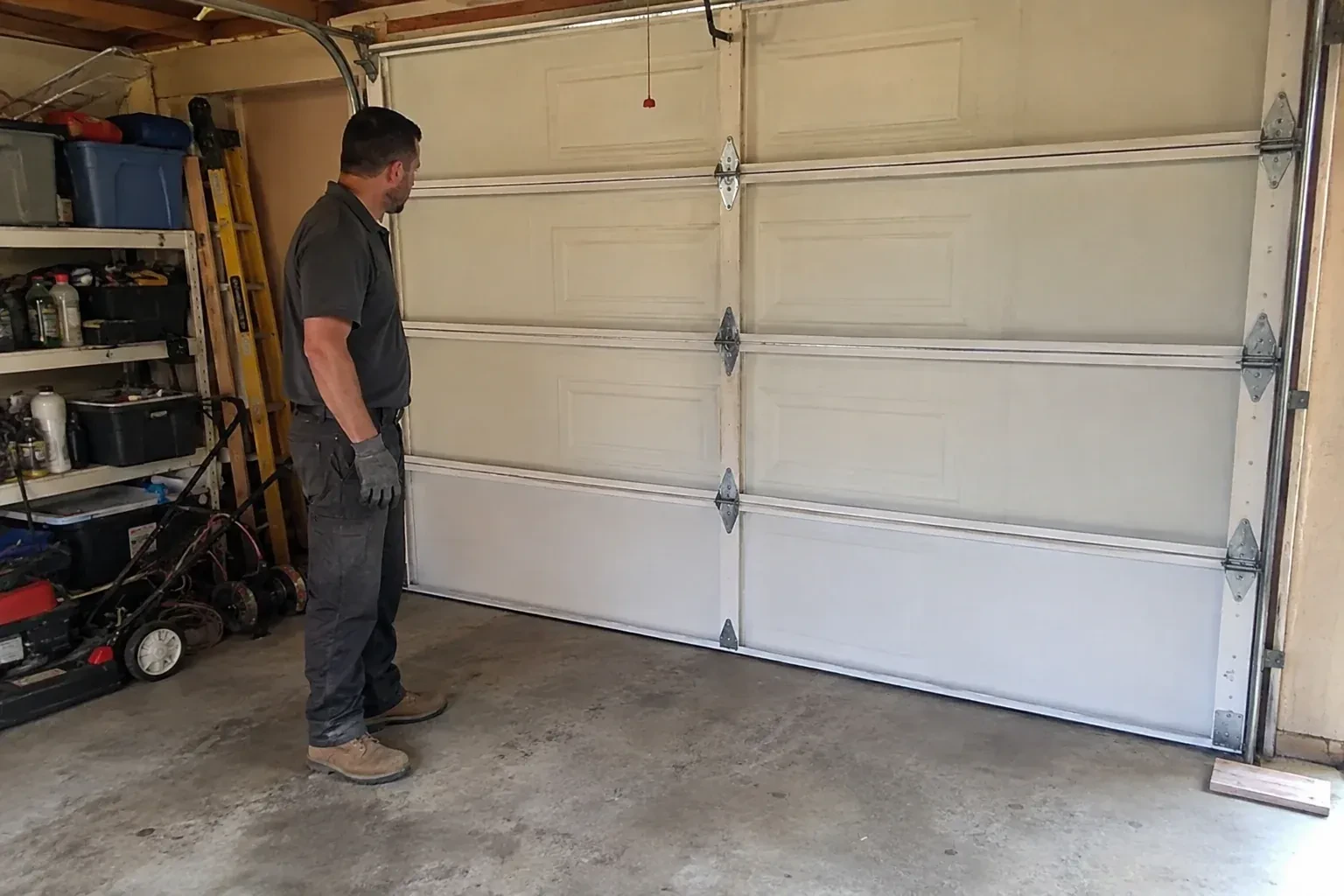
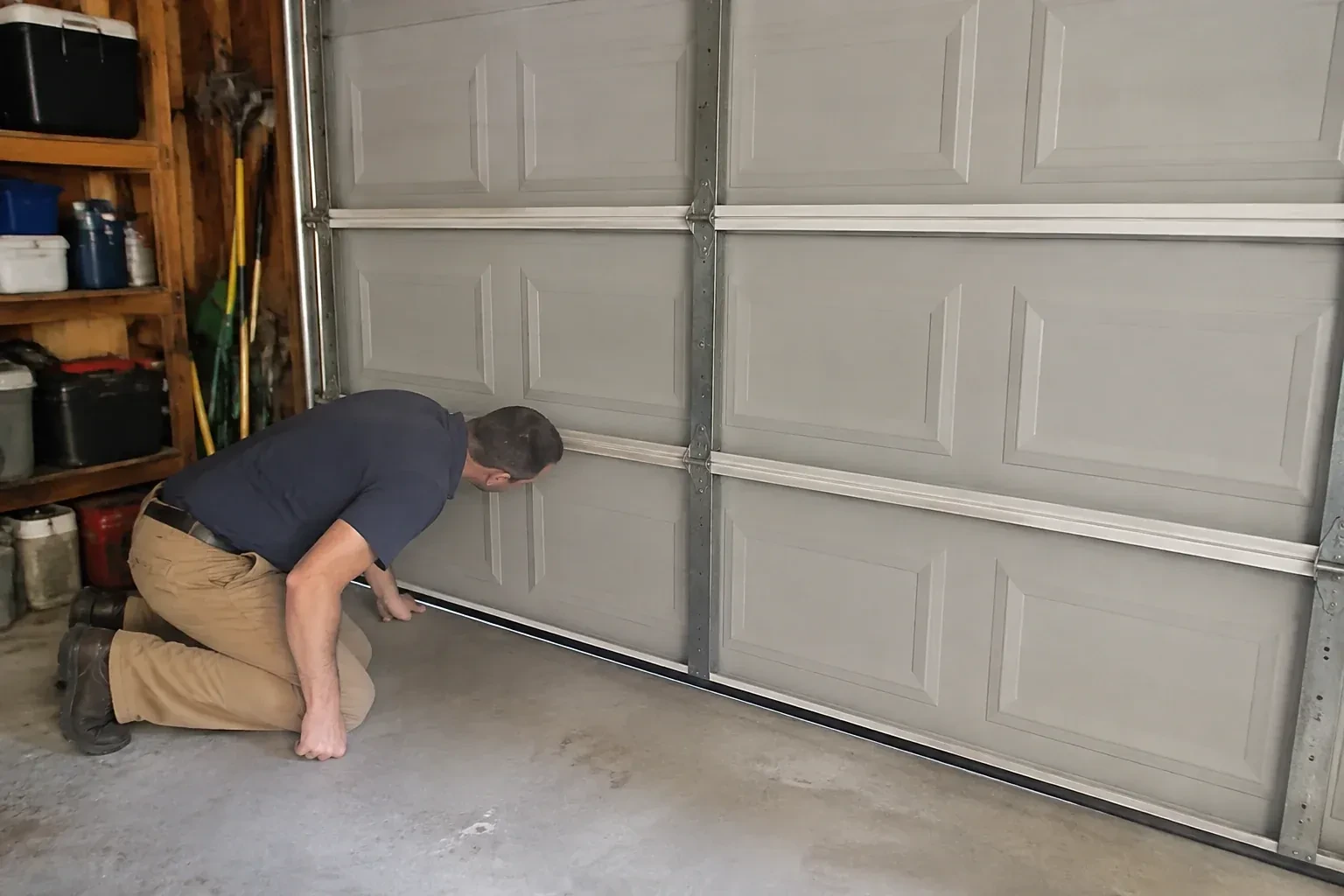
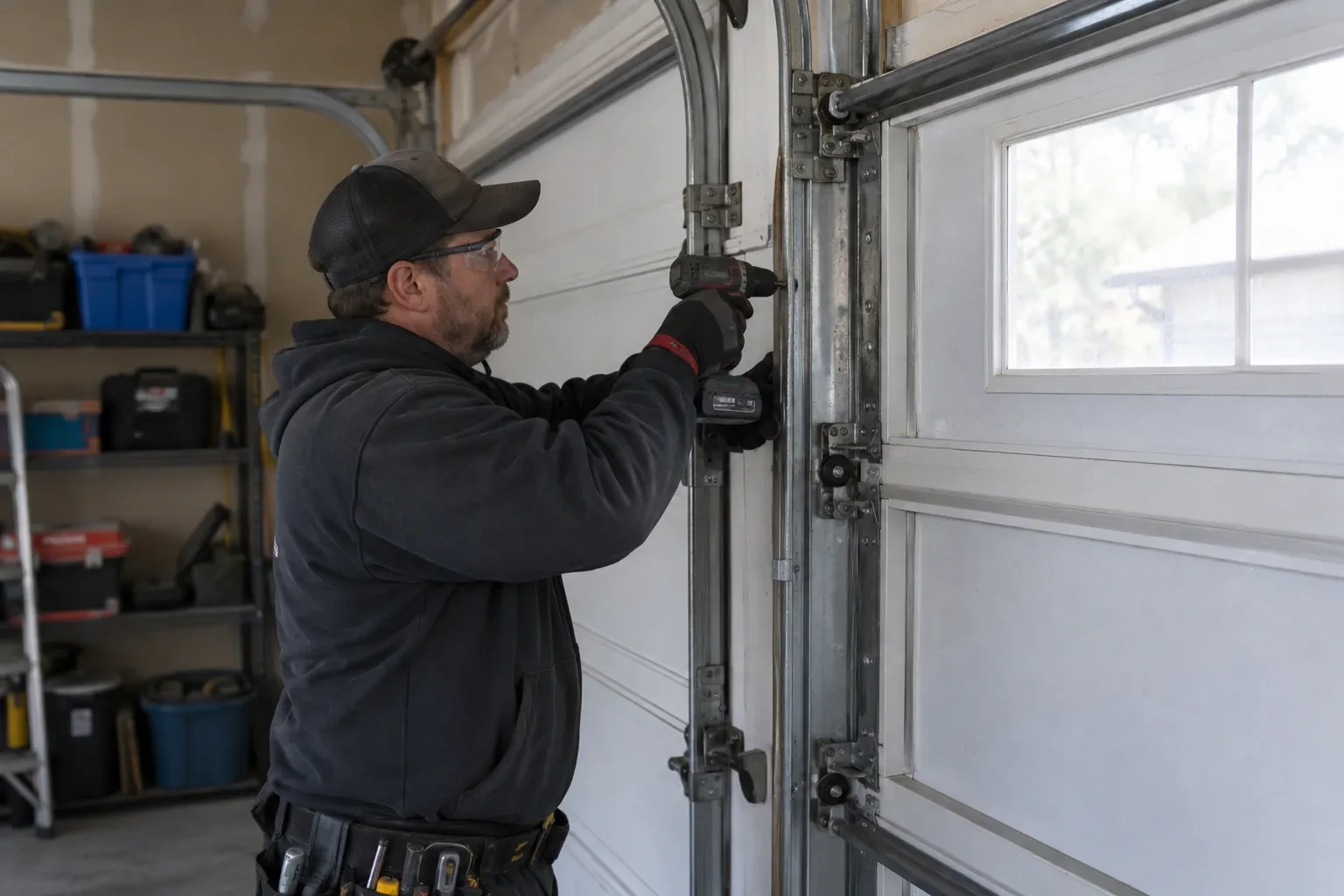
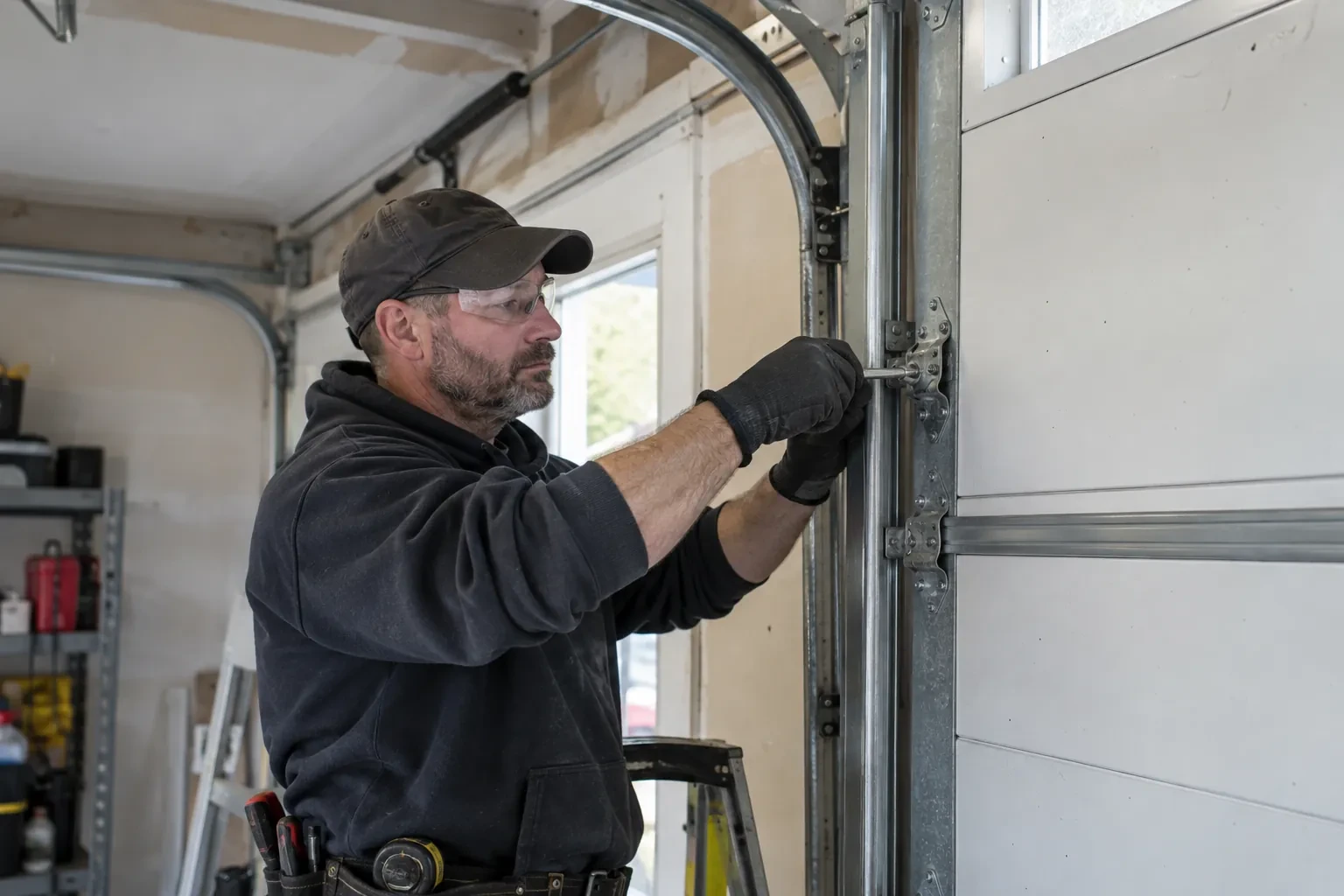
Our way of working in Maple is simple. Listen to what you noticed, inspect the door from the bottom seal to the header, explain the cause in ordinary words, and offer the sensible options with their prices, on site, before the work begins. Parts that still have life in them are left alone.
Landlords and property managers with buildings in Maple call us because a stuck garage door is a tenant problem as much as a mechanical one. We arrange access, keep whoever is responsible informed, and record what was done so the next service is simpler. The doors themselves get the same full inspection and careful repair as any family home.
30years in business
24/7open every day
Explained on the spot. As each part is checked, the technician tells you what it shows and what it means for the door as a whole.
Tidiness as standard. Old springs, cables and packaging leave with us, and the workspace is swept. A clean finish is part of every visit.
Options at your pace. Hear the choices, ask your questions, take the time you need. The work starts when you say so and not before.
Whatever kind of door is on your building in Maple, from a single wood door on an older house to a rolling steel door on a workshop, we have a service that fits it. The pages here explain what gets checked first, how the work proceeds and how to look after the result.
About 8% of homes in Vaughan were built in 1980 or earlier, according to the 2021 Census.
Newer homes
Newer houses often have a double door over a two-car garage, which means a heavier door, a pair of torsion springs and cables that must be matched exactly. Replacing springs on these doors is done in pairs so the door lifts level and the opener is not fighting one side.
Single-detached houses make up about 63% of homes in Vaughan (2021 Census).
Mostly houses
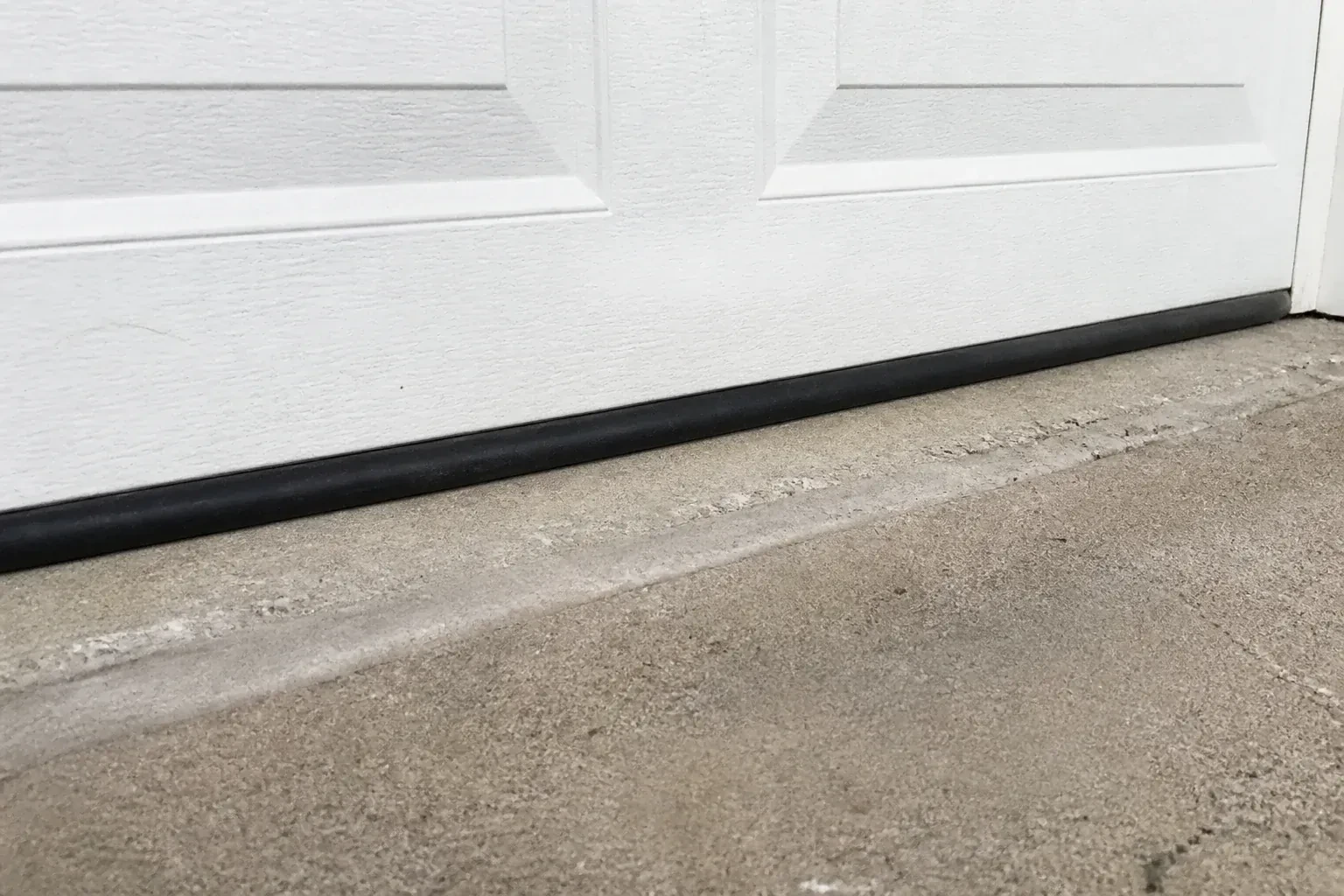
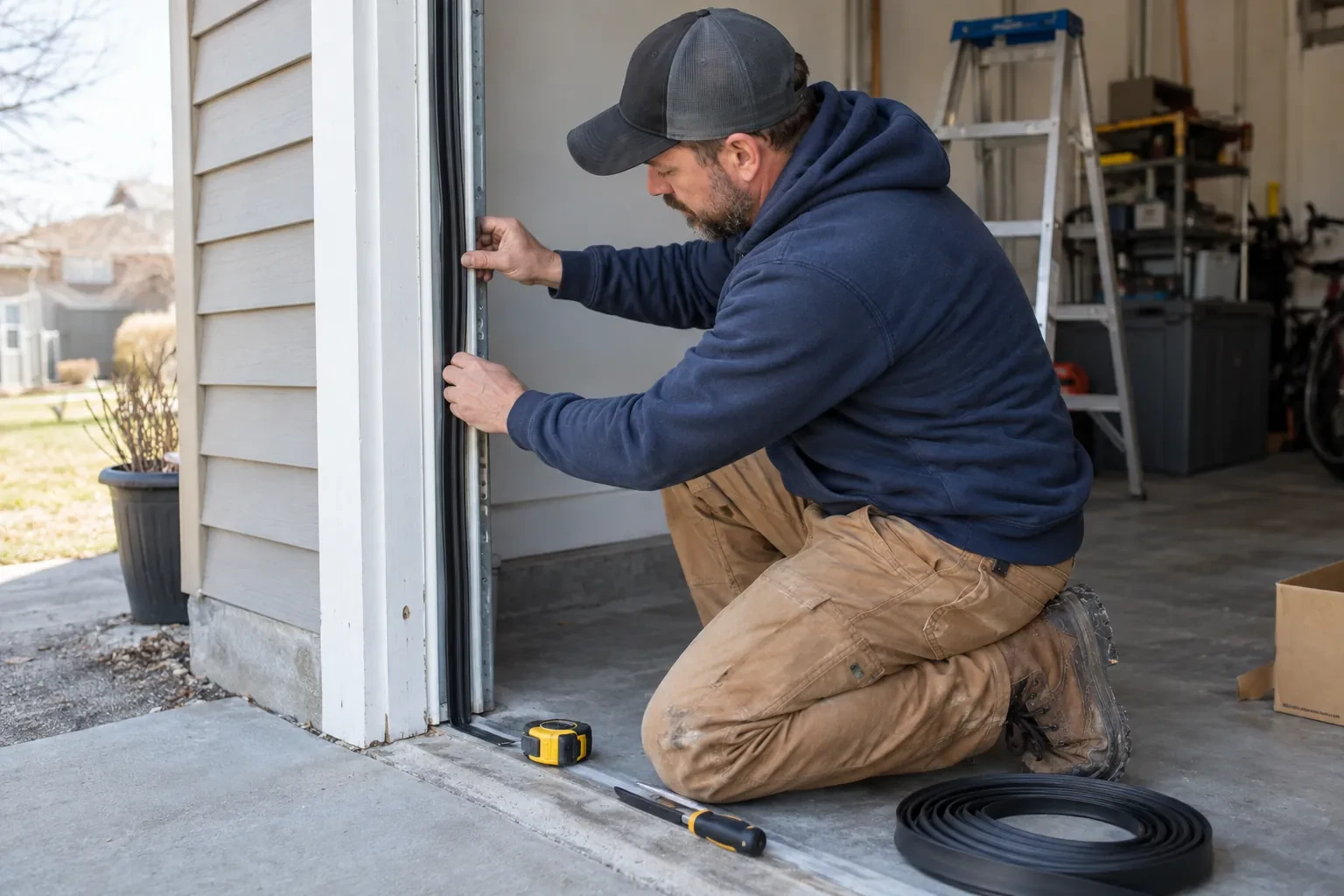
Detached homes usually have their own driveway and apron, and years of freeze and thaw can leave the concrete uneven where the door meets it. A thicker bottom seal or a threshold strip closes the gap, keeping snow, leaves and cold air out of the garage.
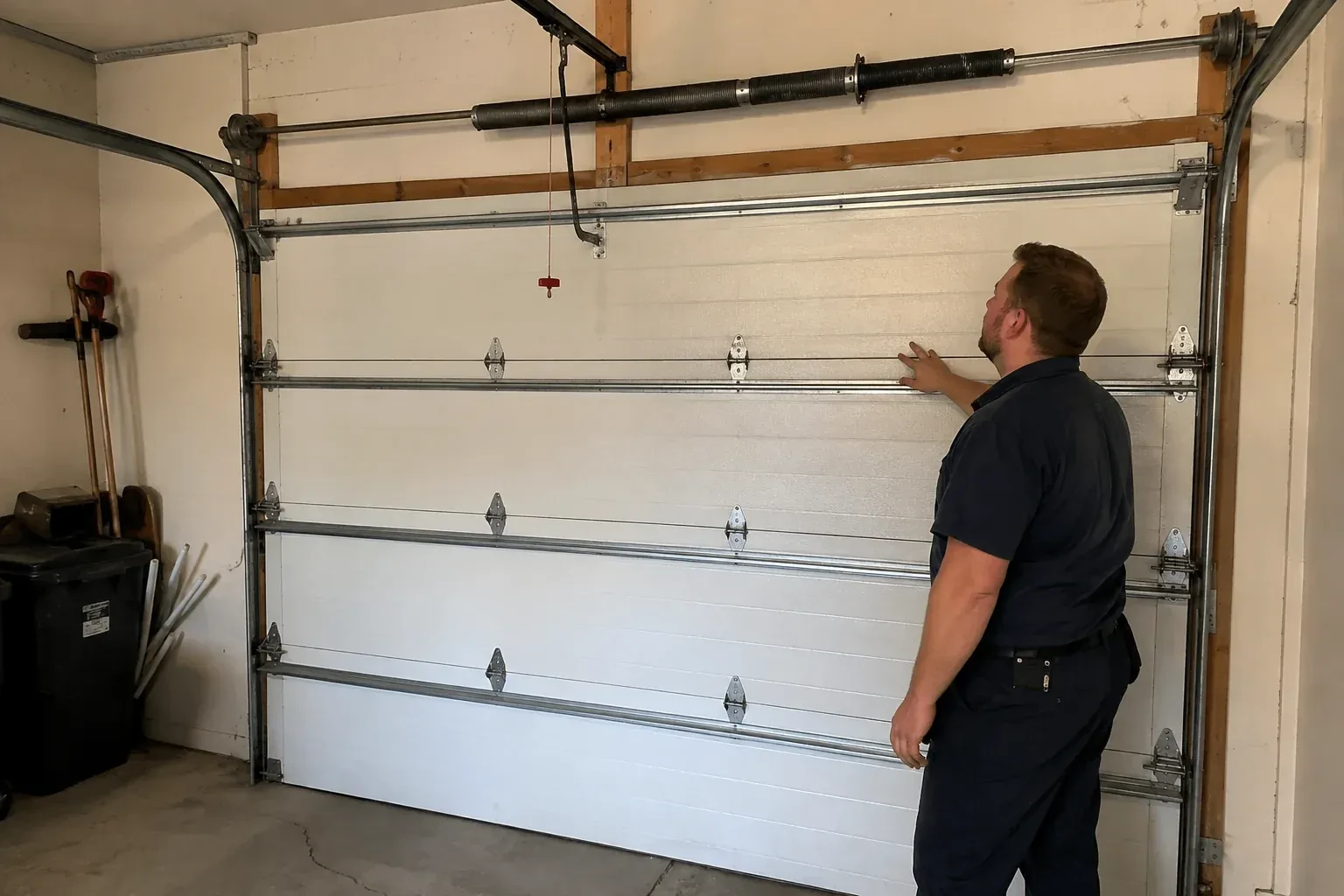
Doors that are hard to lift by hand, or that slam shut when released, are out of balance. Balance lives in the springs, and the services here restore it, whether that means new springs, a fresh cable or a careful adjustment.
WhyA low ceiling, storage rack or beam does not automatically rule out an insulated sectional door, but it does make the track plan central to the job.
Your renovation has given the house clean modern lines, but the old raised-panel garage door now looks out of place.
WhyThe opener deserves as much attention as the track.
How a visit goes
Describe the property, the hardware and what has changed, and the visit starts from what you have seen.
01
One conversation
Tell us about the problem, the door and a good time to come. We confirm what to expect and roughly how the visit will go.
02
Checking the safety features
Photo-eyes, the auto-reverse setting and the emergency release are tested on every visit, whatever you called about.
03
Fixing and explaining
We do the agreed repair, explain each part that was changed and why, and run the door with you until you are comfortable with it.
An entrance. Not an afterthought.
1/10Garage Door Manual Lock Repair
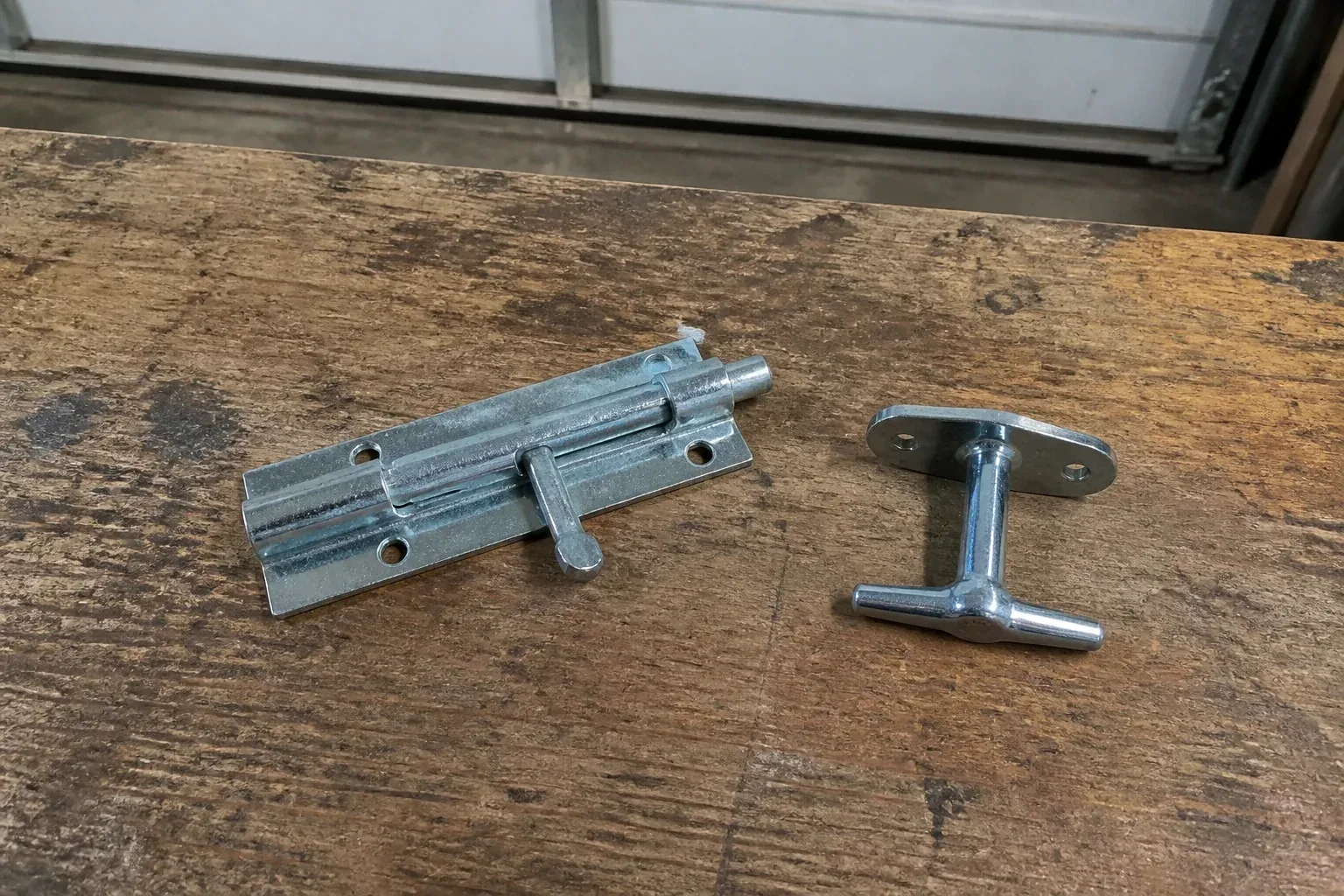
You have just moved in. The garage door carries a proper keyed handle on the outside, but no key came with the house, and the inside slide is painted over. You would like to be able to use it.
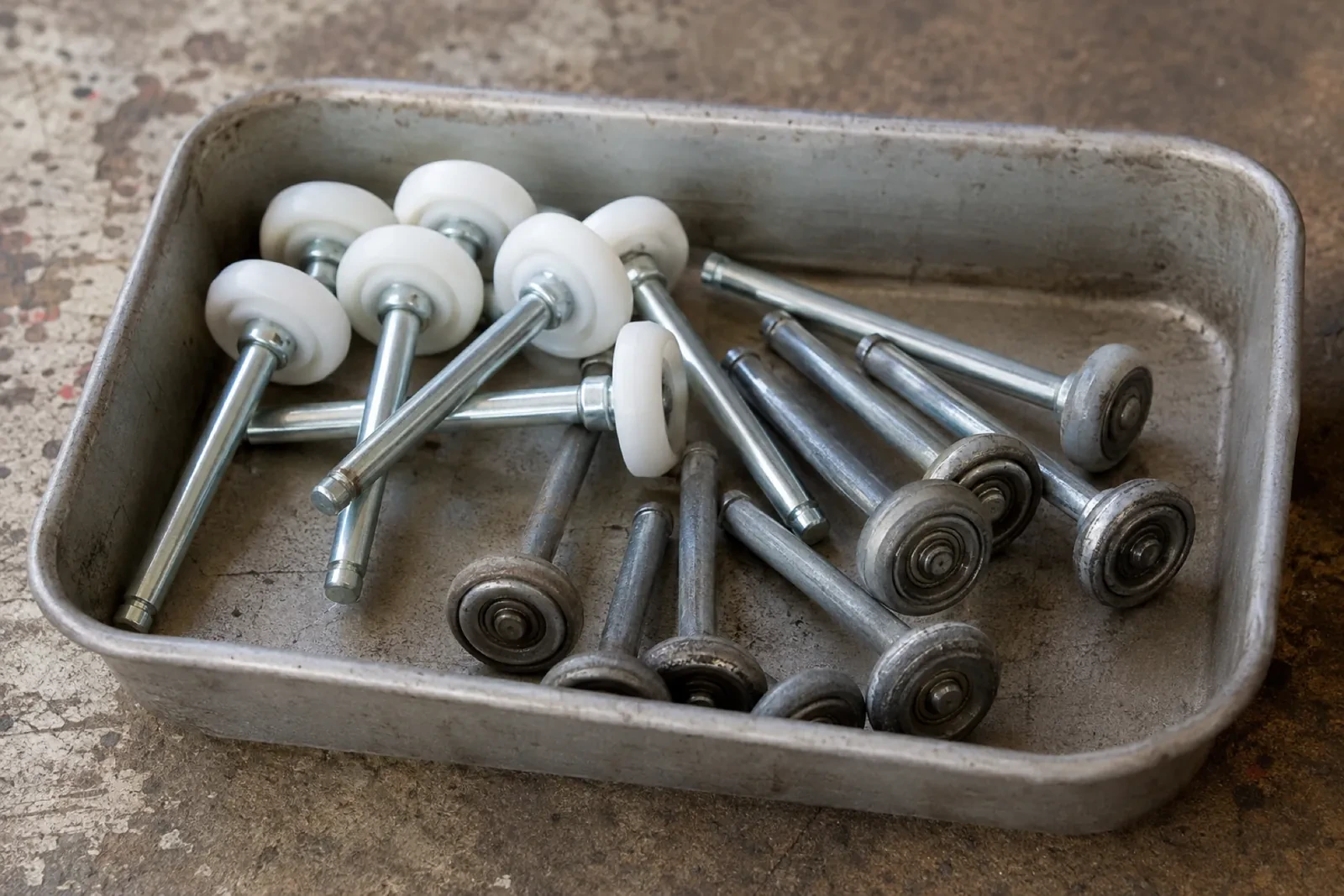
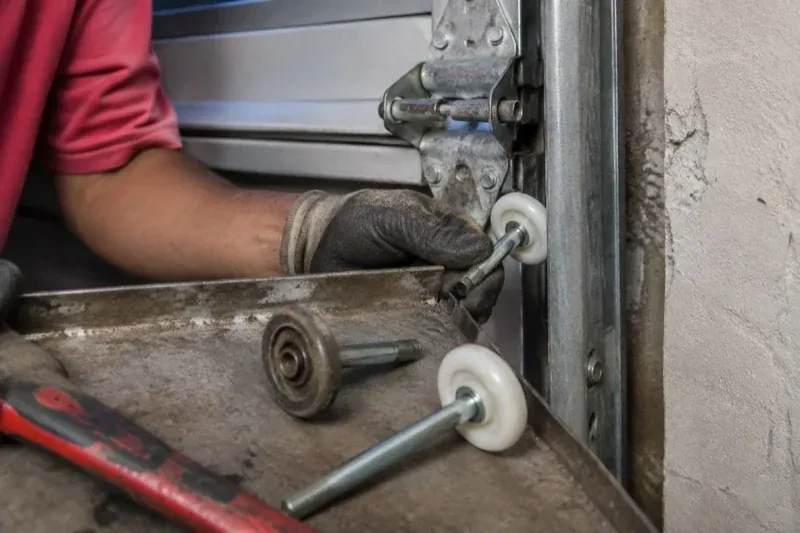
New springs went in last year and the door balances well, yet it still clicks along the ceiling track like a train over rail joints. The wheels are the originals, worn to an oval, and the noise follows them from one end of the travel to the other.
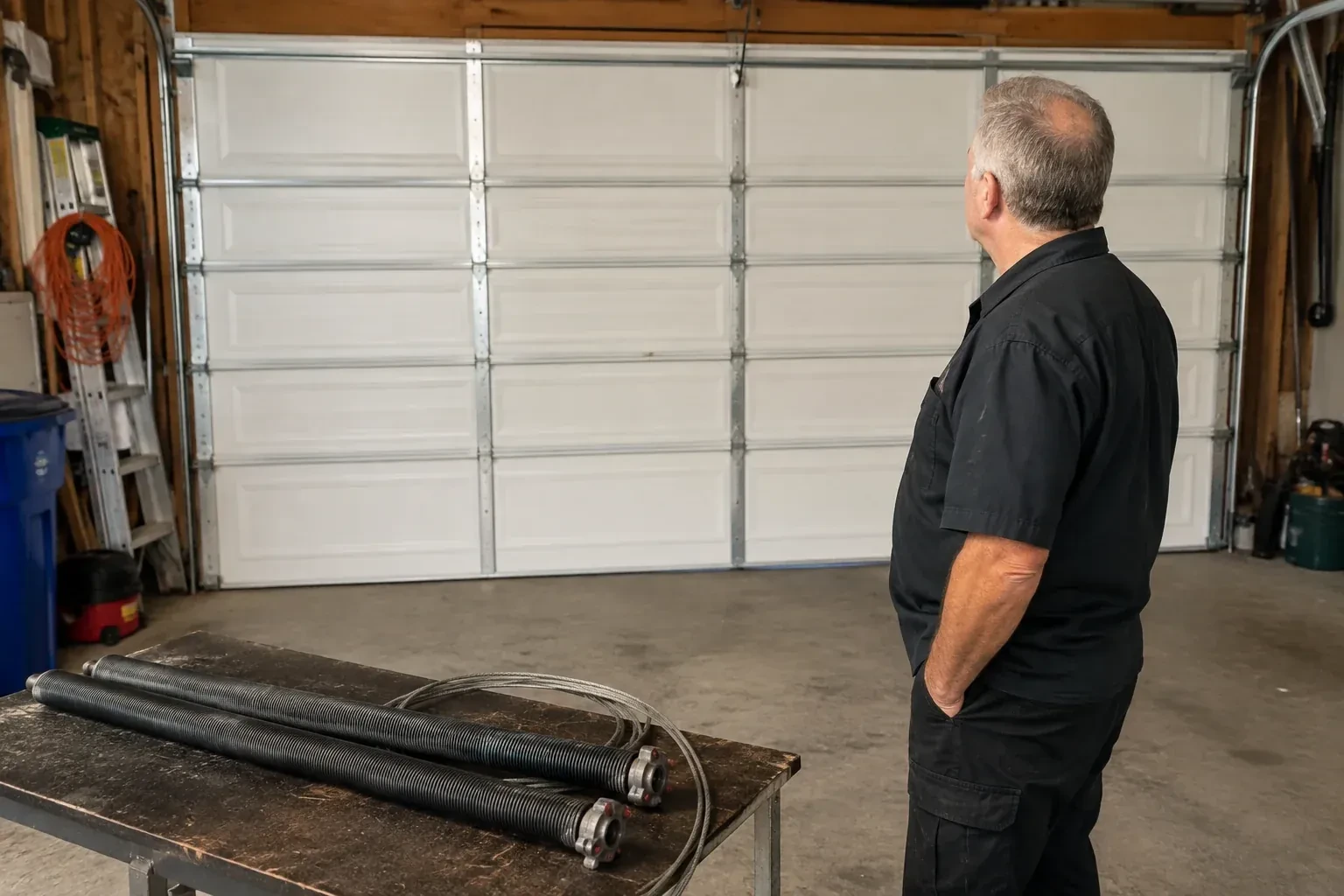
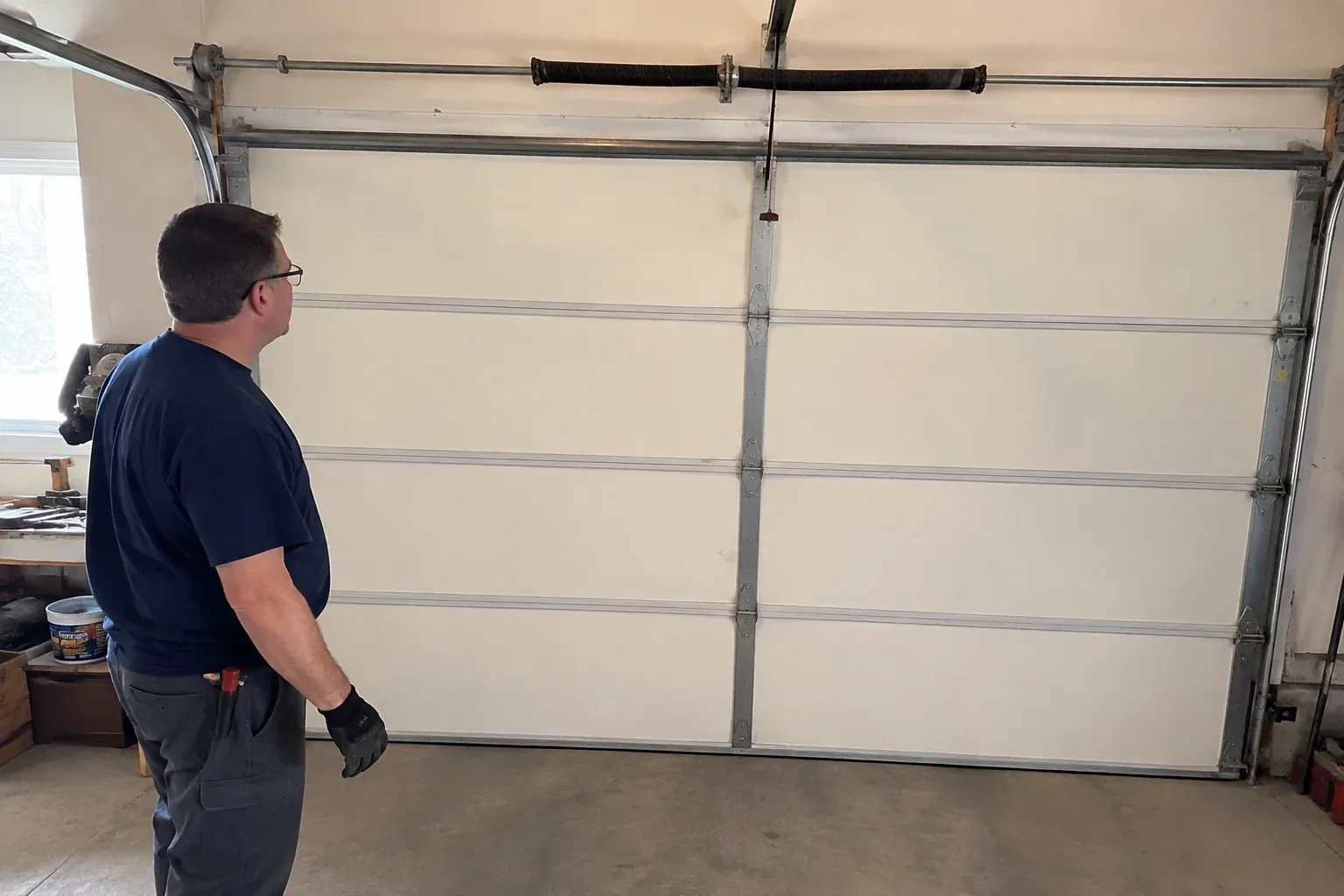
Looking up at the coil above the door, you can see a clean split with a gap of several centimetres between the two halves. The rest of the spring looks fine, but the door has become almost impossible to move by hand.
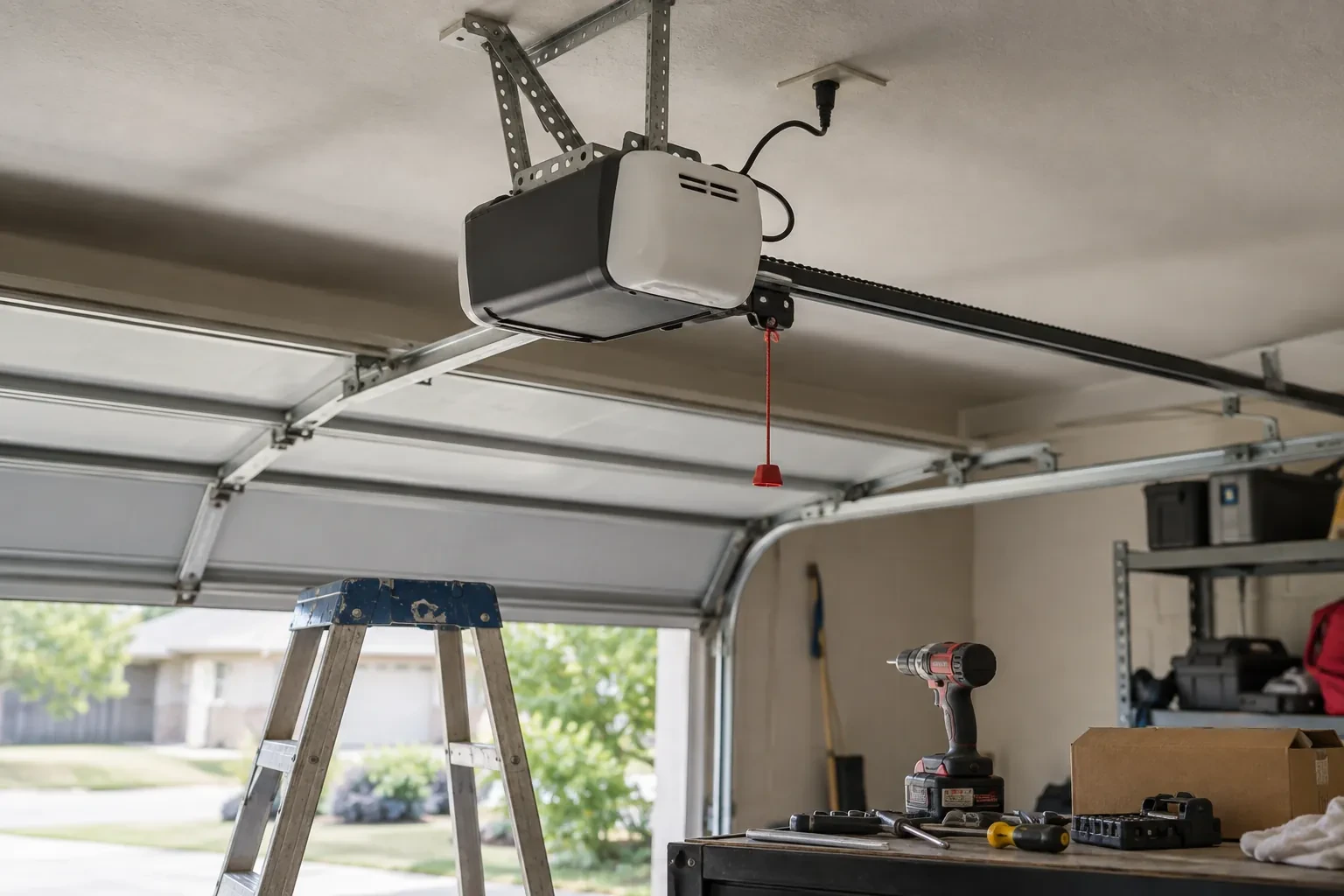
You pulled the red cord to move the door by hand during the power cut, lifted it to about waist height and let go. Instead of staying put, it kept climbing on its own and thumped into the fully open stop.
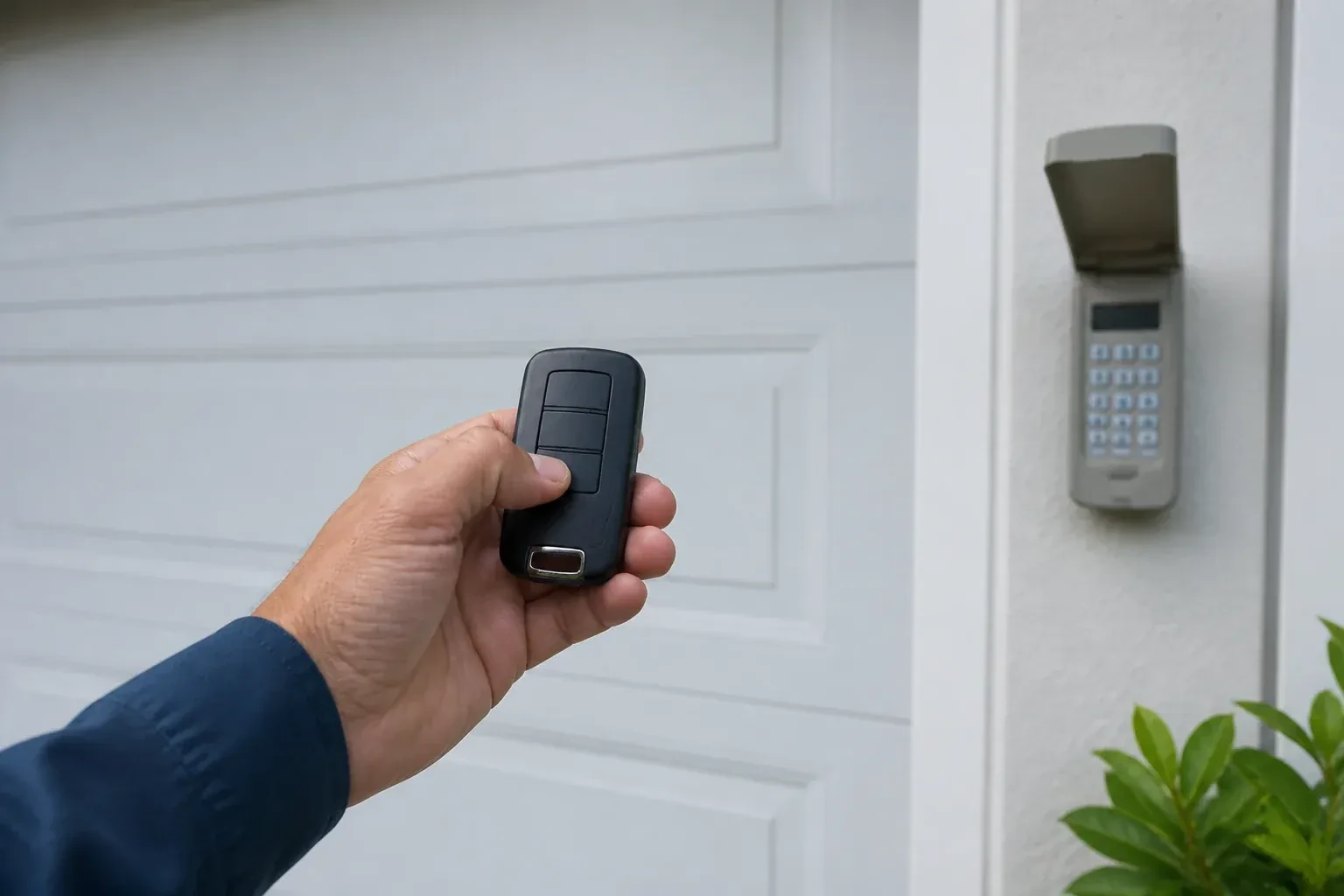
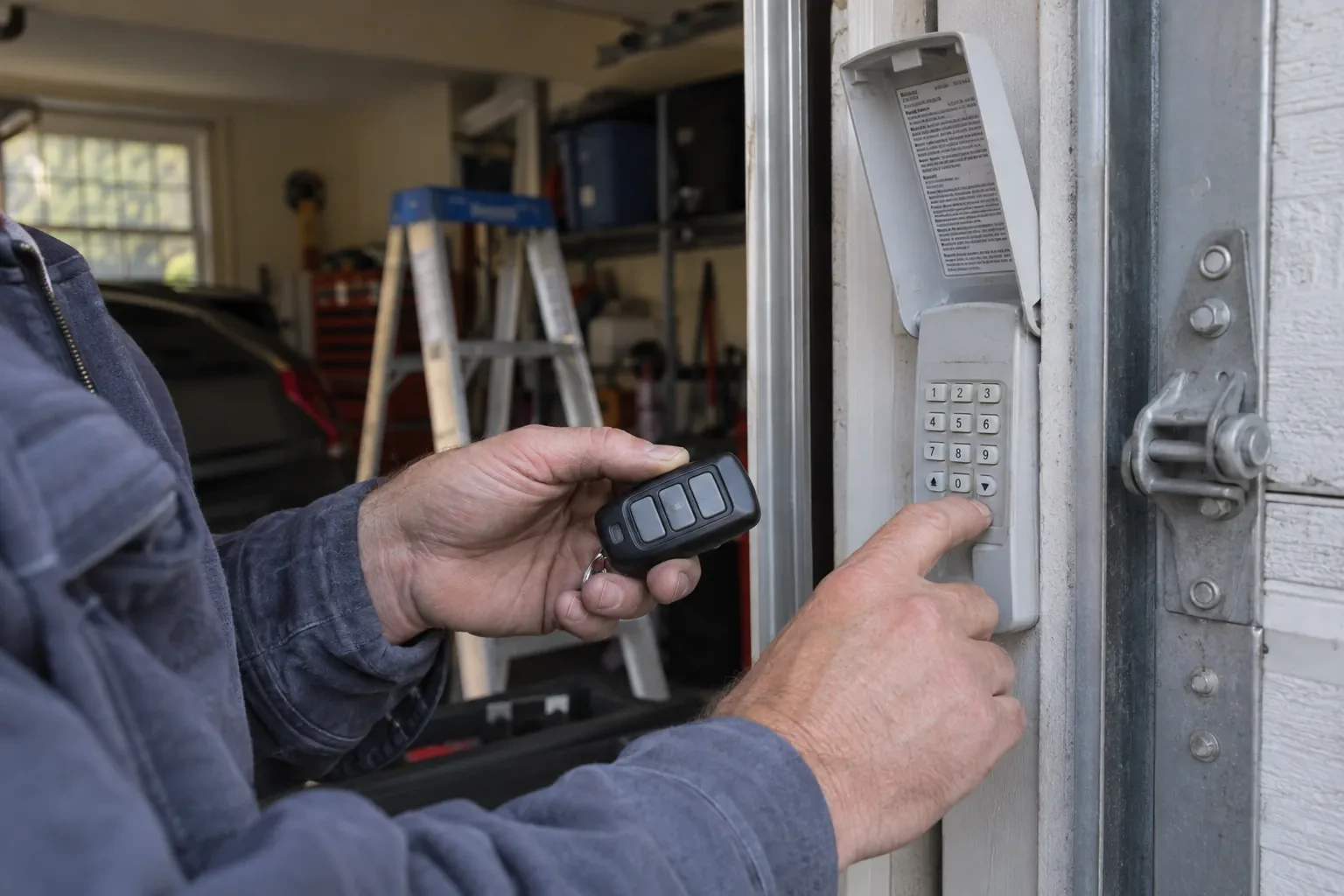
The outdoor keypad worked all summer. Now that the mornings are below freezing it lights up faintly, takes the code, and the door does nothing. Back inside, the remote works on the first press.
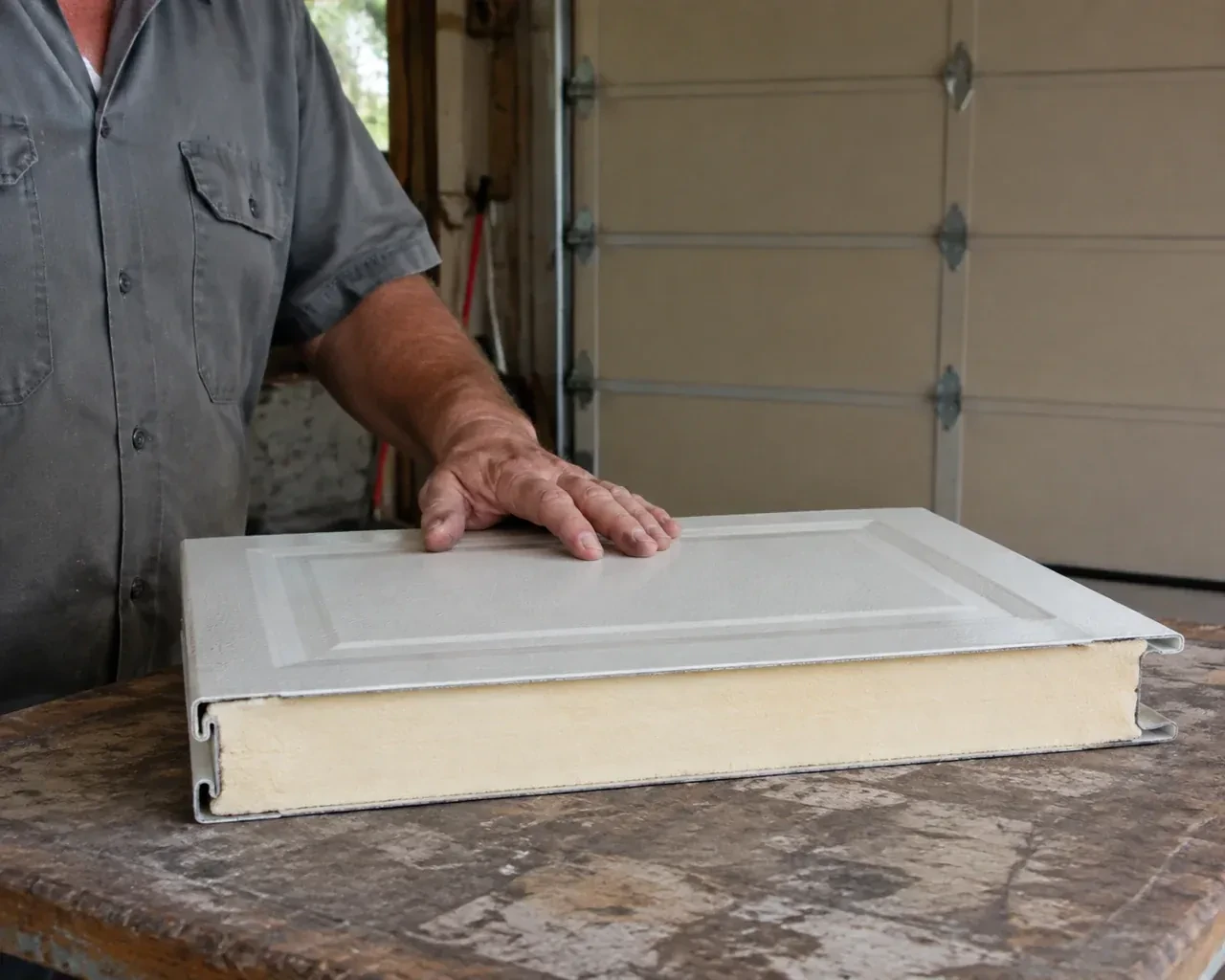
Your garage is becoming a workshop, but the thin single-skin door rattles, sweats and lets outdoor temperatures shape the whole room. You want a stronger sectional assembly suited to the way the space is now used.
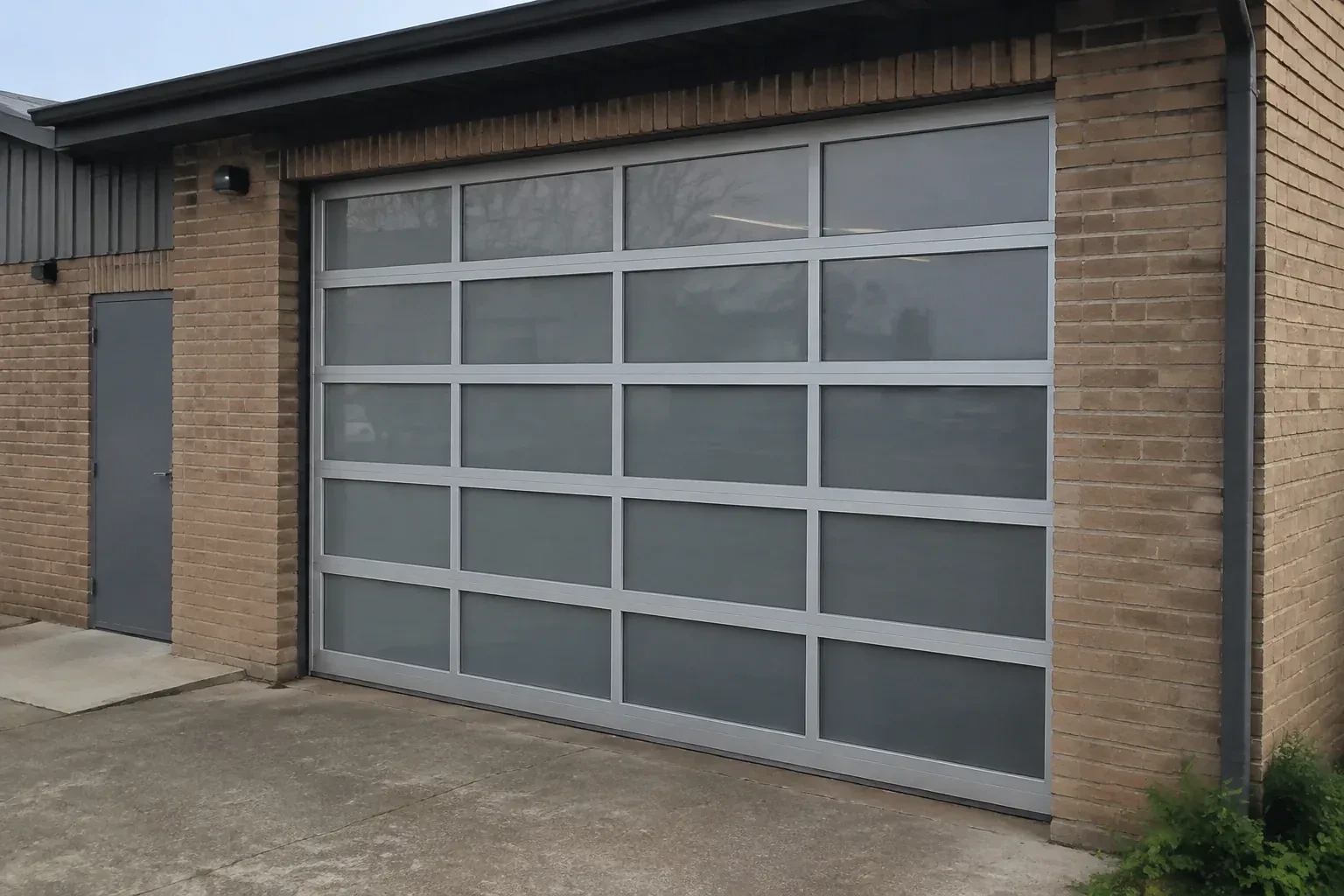
Your renovation has given the house clean modern lines, but the old raised-panel garage door now looks out of place. You want broad glass panels and a slim dark frame to complete the exterior.
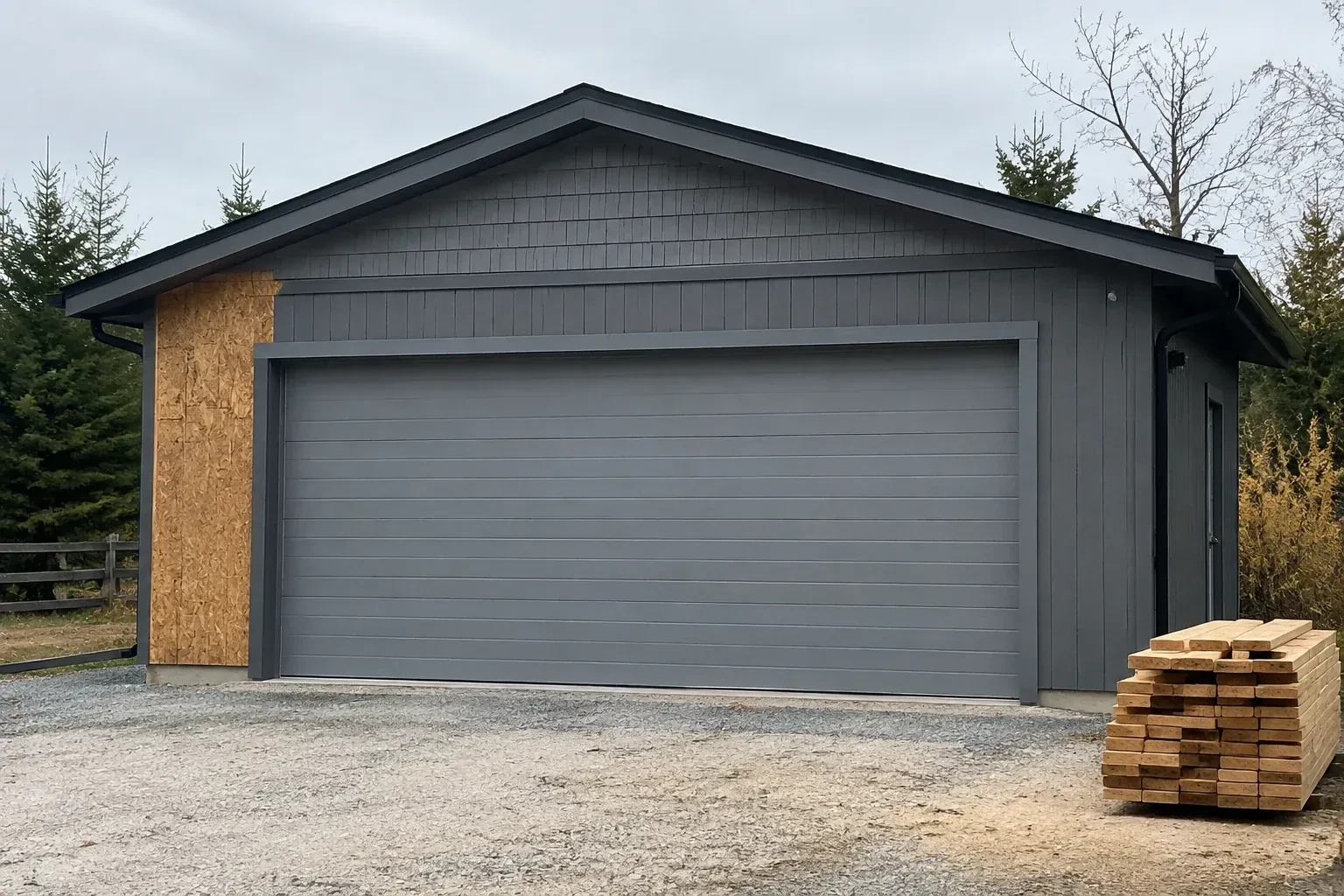
This garage will be heated and used beyond parking, so the opening needs more than a basic closure. Insulated sections, perimeter seals and careful contact at the finished floor matter from the first installation.
Cold-weather moisture has frozen the bottom seal to the sill, and salty grit has collected along the guide entrances. The door chatters during its first cycle and leaves a visible gap after it reaches the closed limit.
Your new vehicle lift fits the floor plan, but the open garage door crosses the space above it. The ceiling is high enough; the standard track simply turns too soon and leaves the panels hanging over the raised vehicle.
What is an automatic garage door lock, and does it replace the manual one?
It is a motorised deadbolt, offered as an accessory by some opener makers, that slides a bar into the track each time the door closes and withdraws it before the door opens, all controlled by the opener. It gives the physical security of a manual lock without the need to remember it. It can sit alongside a manual lock kept for outages, or take its place entirely.
How long do garage door rollers last?
It depends on what they are made of and how often the door moves. Builder-grade plastic wheels with no bearings often show wear after only a few years. Steel and nylon rollers with seven to thirteen ball bearings are typically rated for ten to fifteen thousand cycles, roughly the life of a torsion spring, which for many households means seven to ten years. Sealed-bearing nylon rollers are rated far higher. A door used many times a day, or one living with salt and slush, shortens all of those.
What is the difference between galvanized and oil-tempered springs?
Oil-tempered springs are the traditional dark grey or black coil; they hold their tension well over time and are widely used. Galvanized springs have a zinc coating that resists rust, which is useful in damp garages, though they tend to relax slightly and may need a small adjustment after settling in. Both are available in standard and high-cycle ratings, and the technician can explain which suits your garage.
Is this something I can do myself?
The hand test, yes, and it is a good habit. The adjustment itself is a job for a trained technician, because the springs, cables, drums and bottom brackets are under high tension whenever the door is closed, and the industry's own guidance reserves any change to them for someone with the right bars, clamps and method. Leaving that part to the visit keeps the whole thing uneventful.
My older car's button will not learn my new opener. Why?
Some in-car systems from earlier model years cannot hear the newest opener radios directly. The usual answer is a small compatibility bridge module that pairs with the opener and relays the car's signal, or a handheld remote clipped to the visor. The technician identifies the car's system and the opener's generation and chooses whichever gives a reliable result.
What details help when comparing installation proposals?
Look for the exact door construction, insulation information, glazing, finish, track layout, counterbalance type, seals, hardware and opener scope. Measurements and assumptions should be visible, along with removal, disposal, site preparation and handover records. A detailed component list makes different proposals easier to compare than a broad description such as insulated steel door installation.
Can a full-view door fit a low ceiling?
A low ceiling may suit a low-headroom track arrangement, but the decision depends on measured space above and behind the opening. Beams, bulkheads, lights, ducts, storage and opener hardware are mapped together. The selected sections also need the correct top-fixture geometry and travel path, so feasibility is established from the complete room rather than ceiling height alone.
What electrical preparation does a garage door operator need?
Preparation commonly includes a receptacle near the planned operator, a suitable mounting location and routes for the wall control and photoelectric sensor wiring. Exact electrical requirements follow the chosen equipment and project electrical design. Coordinating locations before drywall helps keep wires clear of tracks, springs and moving sections. The electrical trade and door installer should also agree who completes connections and when power becomes available for commissioning.
Why is the bottom bar rising crooked?
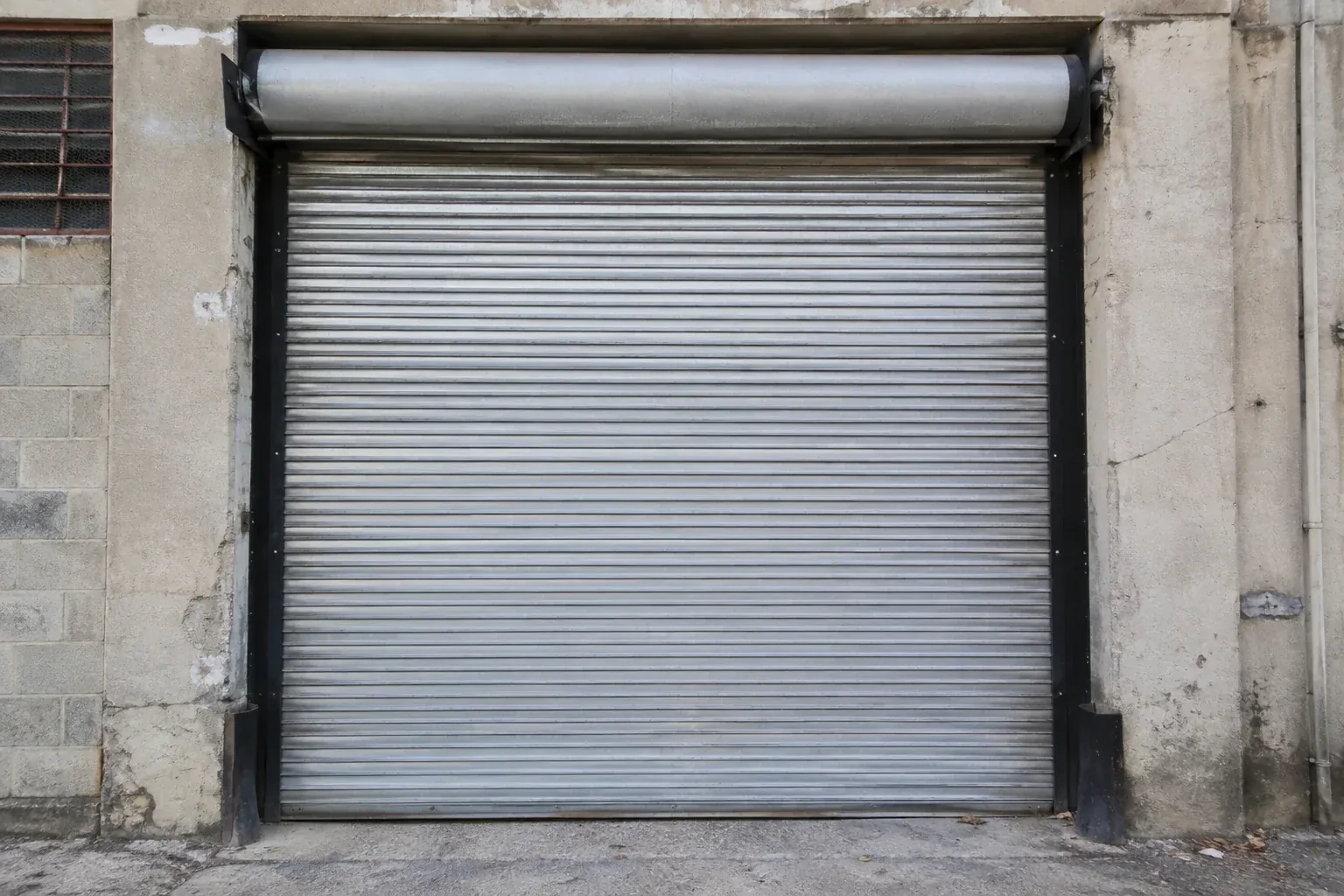
An angled bottom bar can point to a shifted curtain, damaged slats, unequal guide friction, a moved barrel, impact at one guide or a counterbalance issue. Measurements at the sill, guides and brackets help separate those causes. Cycling is kept controlled because repeated powered movement can pull a minor tracking problem farther sideways.
How is high lift different from full vertical lift?
A high-lift door eventually turns and rests in horizontal tracks near the ceiling. A full vertical-lift door continues upward along the wall and has no horizontal storage run. Wall height, ceiling depth, door height and the intended open position determine which geometry suits the building. The component layouts are distinct, so the terms matter during design.
Request a visit
Our way of working in Maple is simple. Listen to what you noticed, inspect the door from the bottom seal to the header, explain the cause in ordinary words, and offer the sensible options with their prices, on site, before the work begins. Parts that still have life in them are left alone.