Openers · Vaughan
Emergency Release Repair
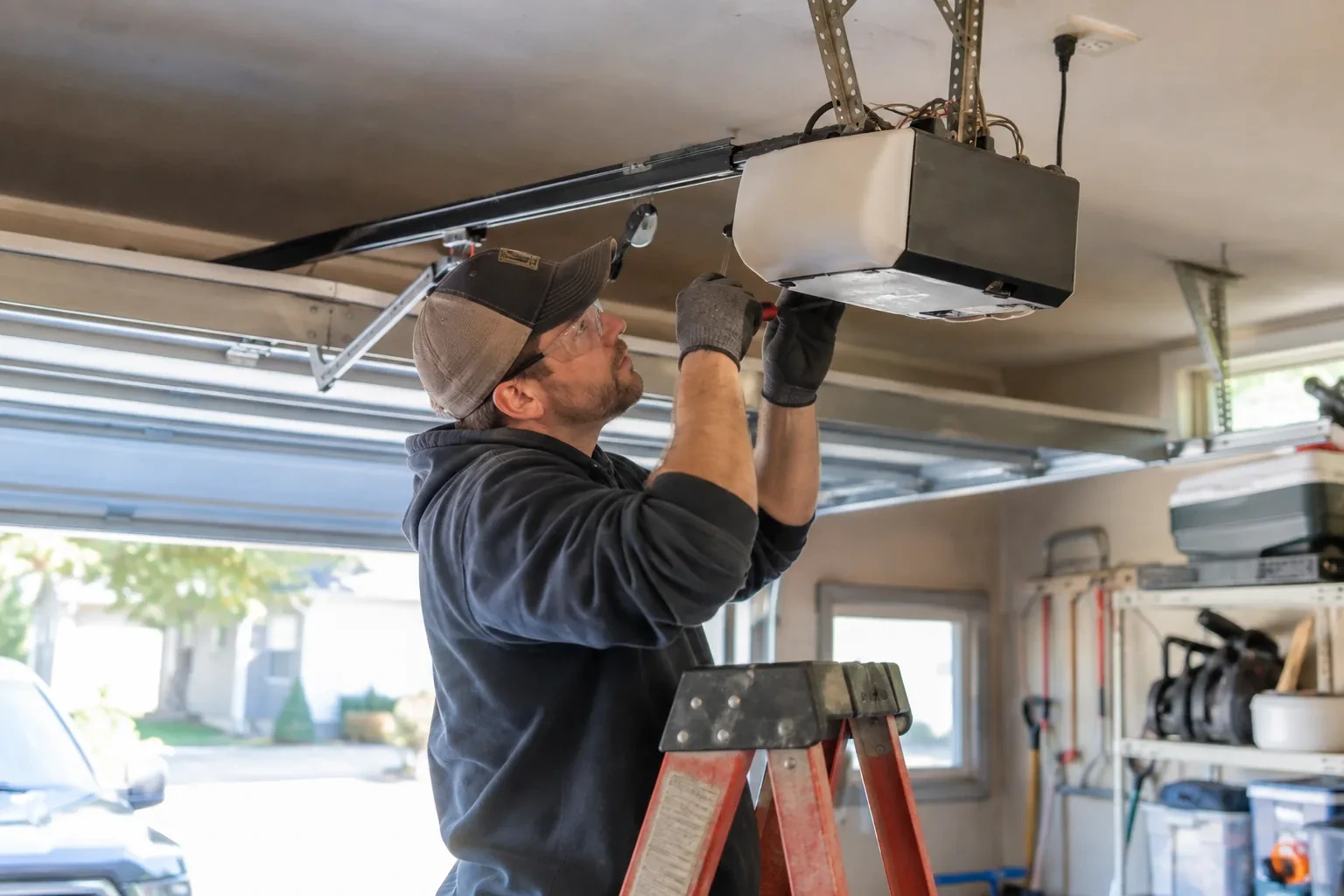
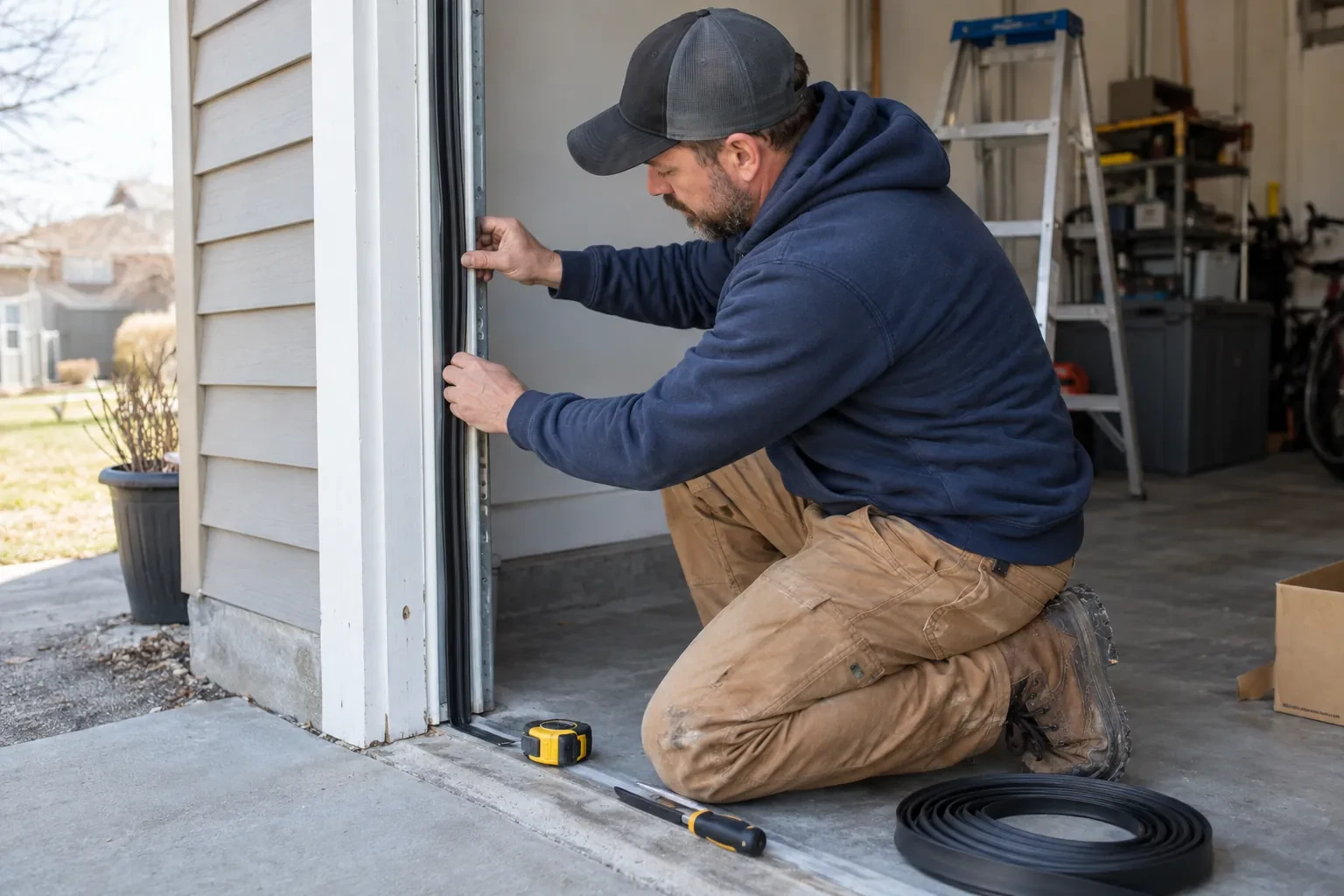
A previous owner knotted the release cord around the rail and stacked storage shelves right beneath it.
In plain words
The operator standard for residential openers in this country asks for a manual release that is coloured red, easy to tell apart from the rest of the mechanism, and reachable from the floor, with the handle no more than about 1.8 metres up. The reason is plain: in an outage or emergency, someone who has never touched the opener must be able to find and use it. Emergency release repair brings an opener back to that standard when the handle has gone missing, been tied out of reach, or was left too high after a door change, and leaves the household knowing what the red handle is for.
How the visit goesHalfway up, the door lets go of the opener with a clunk and sinks back to the floor while the trolley carries on to the top alone. It has happened three times this month, and each time the release lever is found half-cocked.
Emergency Release Repair
How the visit goes
Why the trolley will not latch
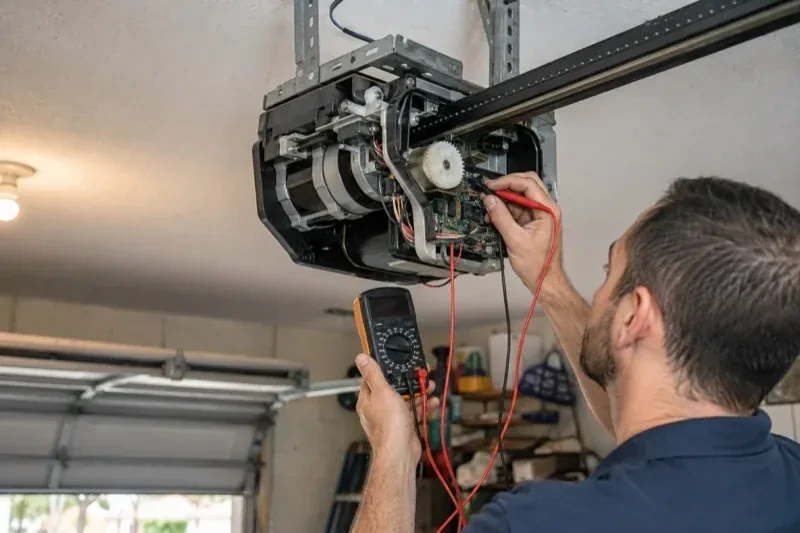
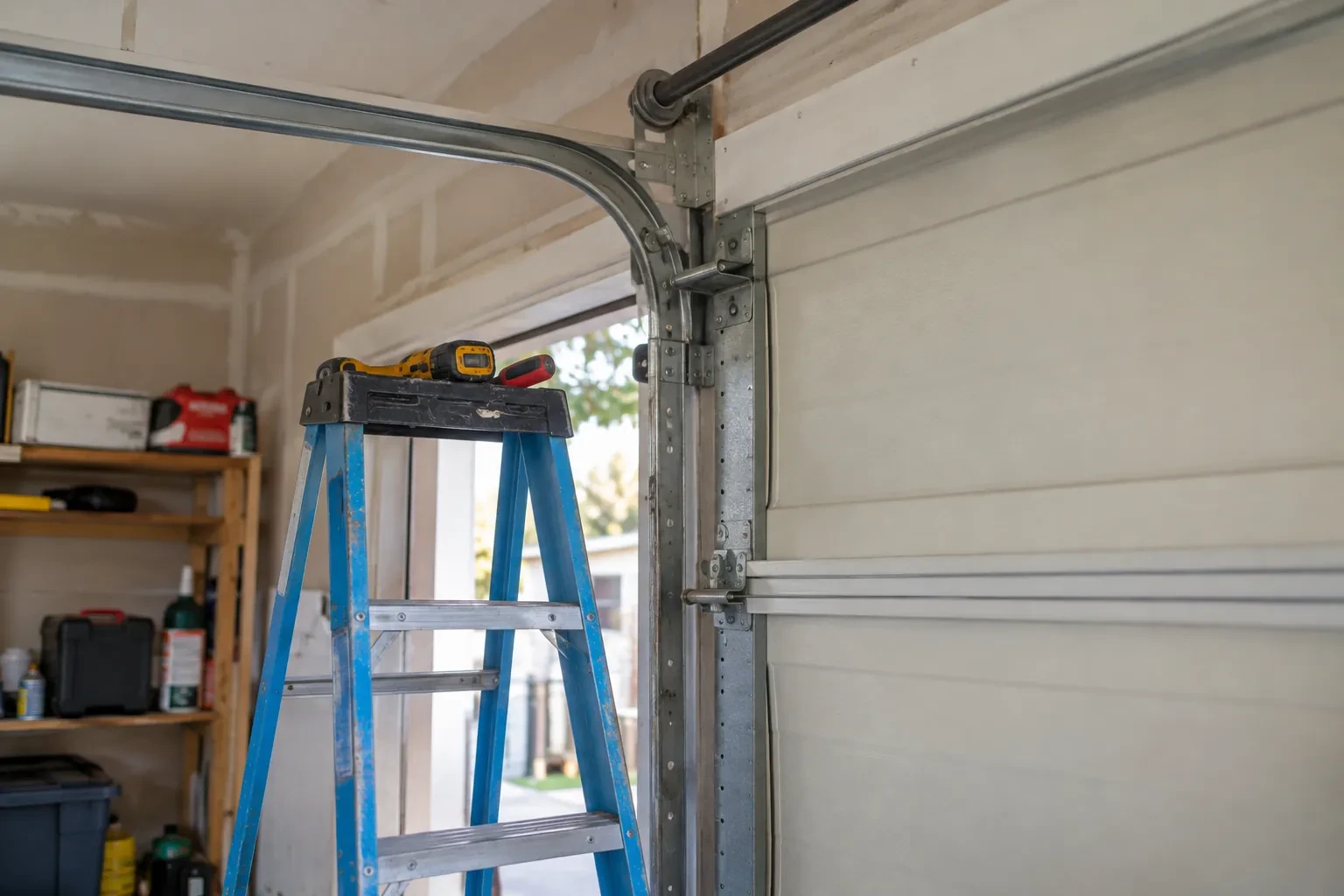
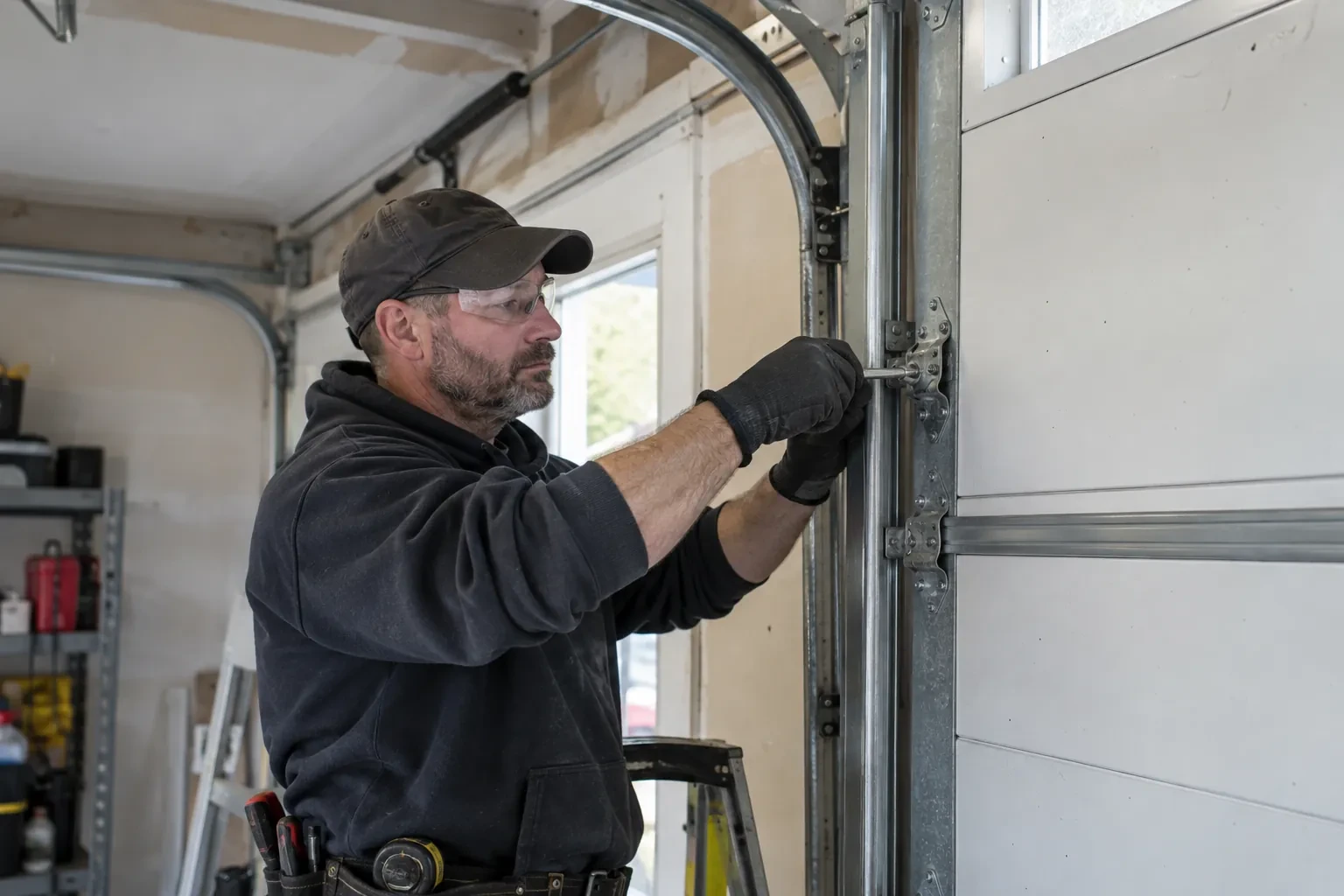
When the complaint is a trolley that runs but never reconnects, the technician looks for the usual reasons. The cord may have been pulled back toward the opener, which on many rails deliberately holds the lever out for repeated manual use, and simply never returned. The trolley may have been driven into the stop bolt or stop tab at the end of the rail after the travel limits drifted, so it sits jammed with the motor humming. The latch teeth may be worn, or the release arm bent so it can no longer drop into place. Each of these has a different fix, and telling them apart takes a minute with the cover off.
Setup and safety tests after the work
Because the drive tension, travel limits or trolley were disturbed, the opener is set up again before the visit ends. Travel is adjusted so the door seals on the floor without hammering and stops clear of the header; force is left as low as reliably moves the door. Then the two reversal tests: a 2x4 laid flat under the centre of the door must send it back up on contact, and an object passed through the photo-eye beam while closing must do the same. The release cord is checked one last time for height and clearance, and the door is run from each control you own.
Through the winter
A release serviced in autumn is set up for the season the household is most likely to need it. The cord is rope that stays supple in the cold, the outside cylinder has been cleaned and lubricated, and the door has been proven to lift by hand with the bottom seal freed rather than frozen. Keep snow and ice cleared from the threshold so a manual lift is not working against a seal stuck to the slab, and keep the slide bolt or manual lock handy for nights when the door is in manual mode. A door that moves by hand is a door that gets you out.
Emergency Release Repair
In the van
Rope and red handle kit
Track clamps to hold the door
Dry lock lubricant and de-icer
Trolley and carriage assembly
2x4 offcut for the reversal test
Emergency Release Repair
What affects the quote
Travel and tension reset
Where the trolley was freed or swapped, the chain or belt is re-tensioned and the travel limits are reset, then the reversal tests repeated. That setup time is part of the job and shown as such.
Door work found by the balance test
If the disconnected door proves heavy or drifting, spring, cable or roller work comes before the release is put back into use, and that door-side work is quoted as its own item.
Battery backup as an option
If outages are the reason you called, a battery backup pack for a compatible opener may be offered alongside the release repair. It is optional and appears as its own item.
What to have ready
- Does the opener run along the rail on its own without moving the door?
- How does the door feel when you lift it by hand: light, heavy, or does it drift?
- Where was the door when the release was pulled, and where is it now?
Emergency Release Repair: questions
QuestionsWhat happens if someone pulled the release while the door was open?
Sometimes nothing, if the door is well balanced and stayed where it was. If the door came down on its own, the technician checks what took the impact: the door arm, the carriage, the bottom brackets, the rollers and the panel around the arm bracket. A bent arm or carriage is replaced, and the balance test shows whether the springs contributed. Then the release is reconnected with the door closed and the household is shown the right sequence.
Can I replace the cord and handle myself?
A rope and handle kit is a simple part, and many homeowners fit one. The details matter, though: the knot at the lever has to hold under a hard pull, the handle has to end up at the right height, and the lever should be checked for wear while you are up there. If the cord failed because the lever or trolley is worn, a new rope alone leaves the real fault in place. Have it done as part of a release check and both get looked at.
My car is trapped inside and I have an appointment. Can I just push the door open?
Better not. A door forced against a jammed trolley or a locked door can bend the arm, the top section or the track, and a vehicle driven at a door releases the stored tension in the springs. The release is the tool for this moment: with the door closed, pull the handle and lift the door by its handle. If the handle is missing or the trolley will not let go, a technician can reach the lever and have the door moving by hand.
Related services
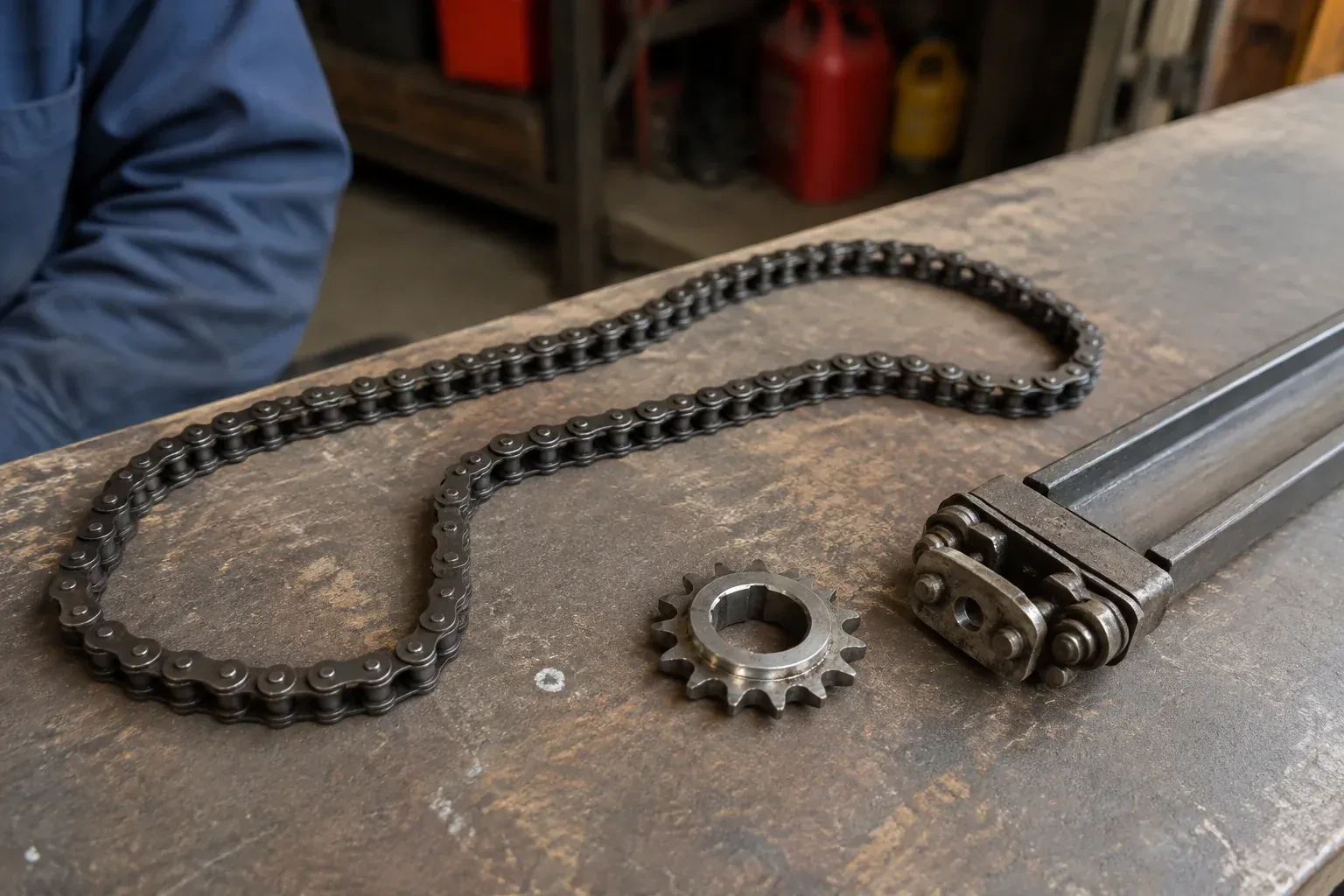
- Chain-Drive Opener RepairThe door opens about a third of the way and stops.
- Belt-Drive Opener RepairThe belt looks fine from a distance, but up close the rubber has cracked across the back in dozens of places and, in one spot, you can see the steel cords showing through.
- Garage Door Opener ReplacementDuring the ice storm the power was off for two days.