Springs · Vellore
Torsion Spring Replacement in Vellore
On a cold morning the remote does nothing useful: the light comes on, the motor turns briefly, the door stays shut.
In plain words
Think of the opener as a helper, not a lifter. It is built to push and pull a door that already weighs almost nothing thanks to the springs; asking it to hoist a full-weight door strains the trolley, bends the top section and wears the gear drive. Spring replacement puts the load back where it belongs. After fitting and winding the new spring, the technician balances the door, then reconnects the opener and resets its force and travel settings so it runs within its design limits. Owners usually notice the opener sounds calmer and the door moves more evenly afterwards.
How the visit goesOne side of the door sits higher than the other in the tracks, and a lift cable is hanging slack or has jumped off its drum. On a two-spring door this often follows one spring letting go while the other keeps pulling.
Torsion Spring Replacement
How the visit goes
Following the hardware the spring drives
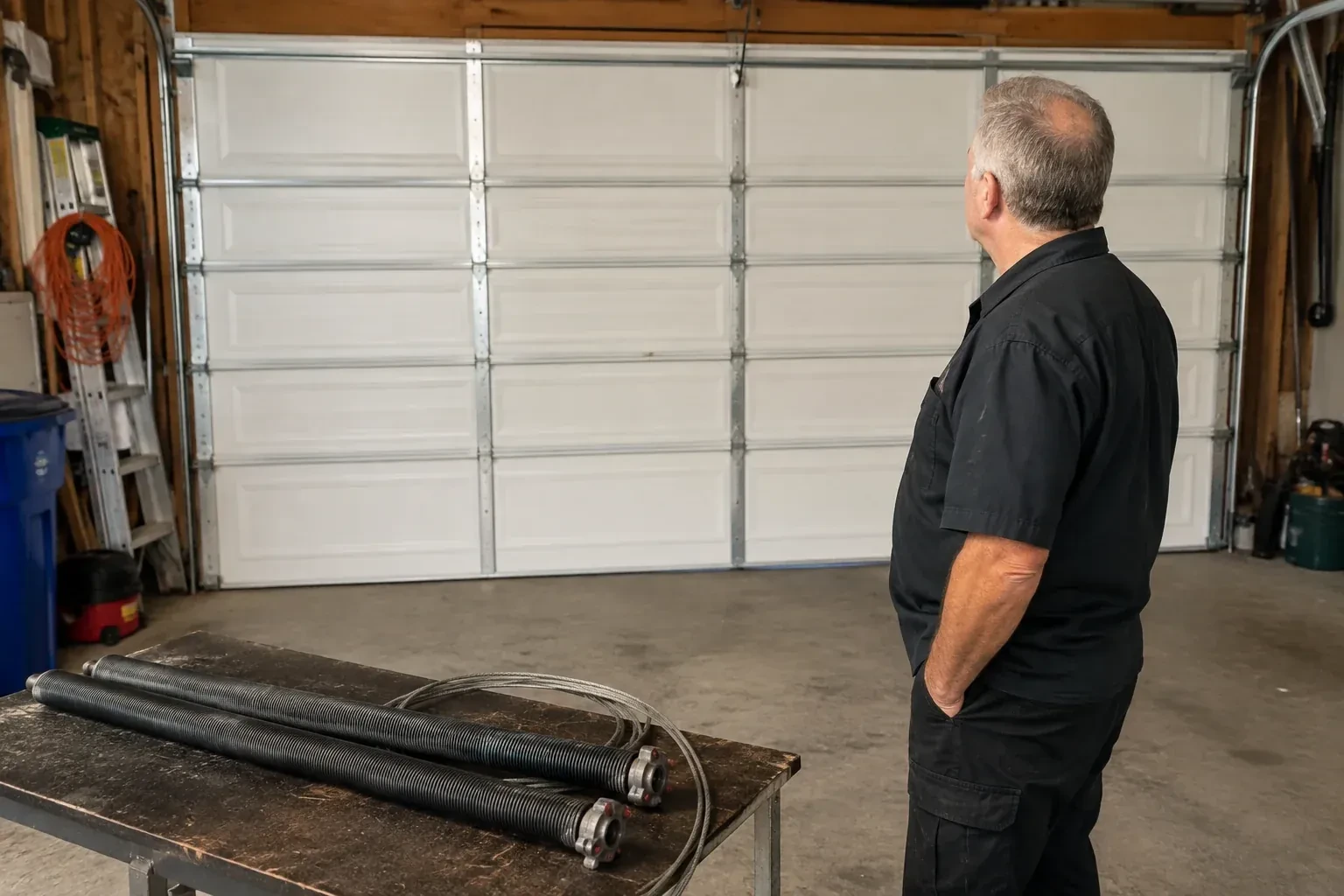
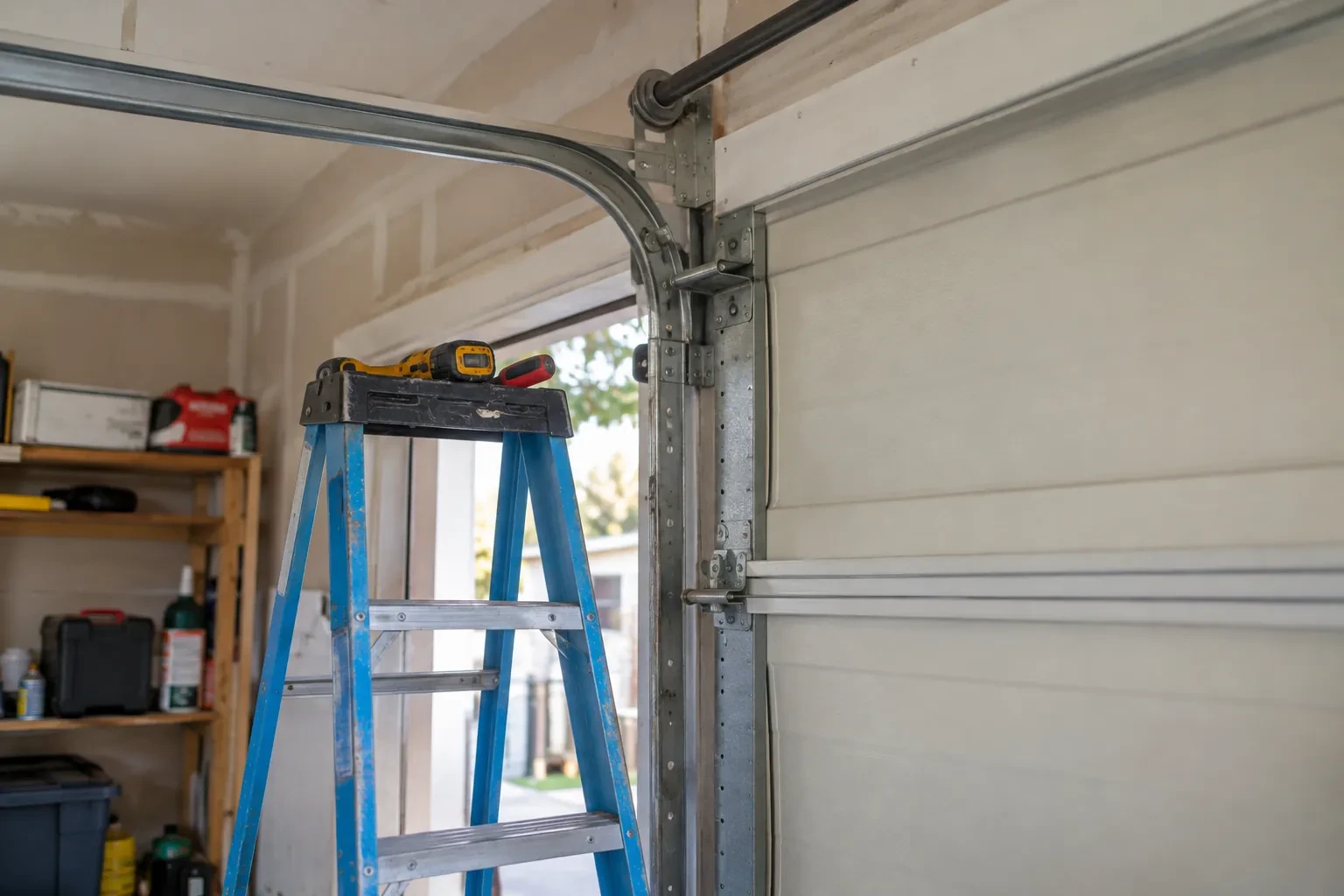
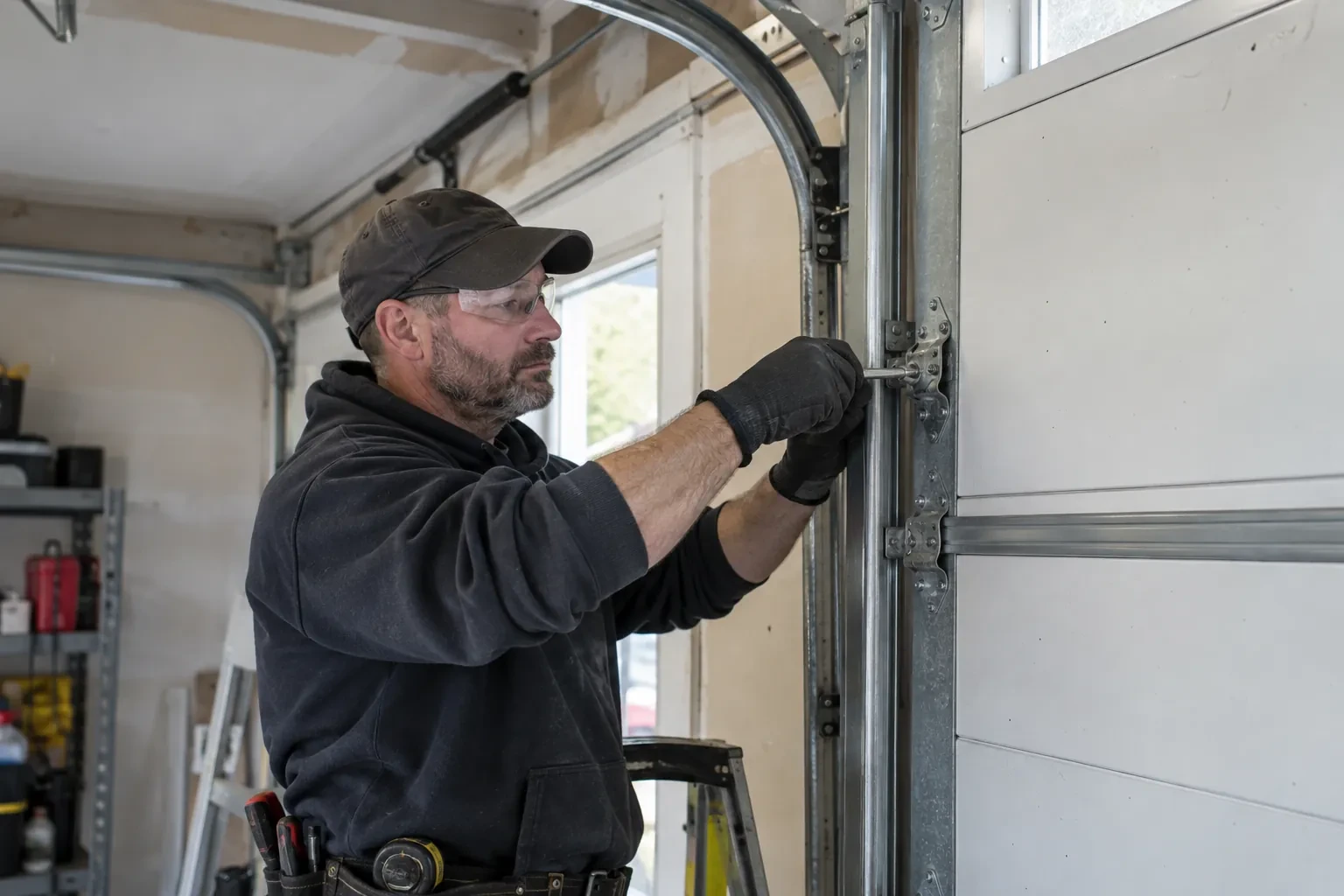
The spring is one part of a chain, so the check follows that chain from the shaft outward. The centre bearing and the end bearings are turned by hand to feel for roughness or wobble. Cable drums are inspected for cracked flanges and worn grooves, and lift cables are examined along their length and at the bottom brackets, where fraying and rust usually start. Bottom brackets and their fasteners are looked at for corrosion, and the shaft is checked for straightness. Findings here decide whether the visit is a spring swap alone or a spring plus a few tired companions.
Reconnecting and testing the opener
With the door balanced, the opener comes back into service. The trolley is re-engaged, power is restored and the door is run open and closed under motor. Travel limits are adjusted so the door seals at the floor and stops at the right height, and force settings are set to the light load a balanced door presents. The technician then places an object flat on the floor in the door's path and confirms the door reverses on contact, and passes a hand through the photo-eye beam to confirm the door reverses again. These checks close the visit on a working, safe system.
Your spring on record
The technician leaves you with the specification of what was installed: wire size, inside diameter, length, wind direction and the cycle rating chosen, along with notes on any bearings or cables replaced. Keep that record with the door's paperwork or photograph it. It means future service starts from known numbers rather than fresh measurement, and if a door section or opener is ever changed, the installer can confirm the springs still suit the door's weight. Many technicians also mark the installation date on the spring or centre bracket so the age of the system is easy to read later.
Torsion Spring Replacement
In the van
Stationary cone bolts and nuts
Garage-door spring lubricant
Centre bearing bracket and bearing
Torsion springs, oil-tempered or galvanized
Cable drums
Torsion Spring Replacement
What affects the quote
Oversize or non-standard doors
Very wide doors, tall doors, carriage-house doors with heavy overlays and light-commercial doors may need duplex springs, multiple springs or larger drums, which changes both the hardware and the method.
Condition of the lift cables
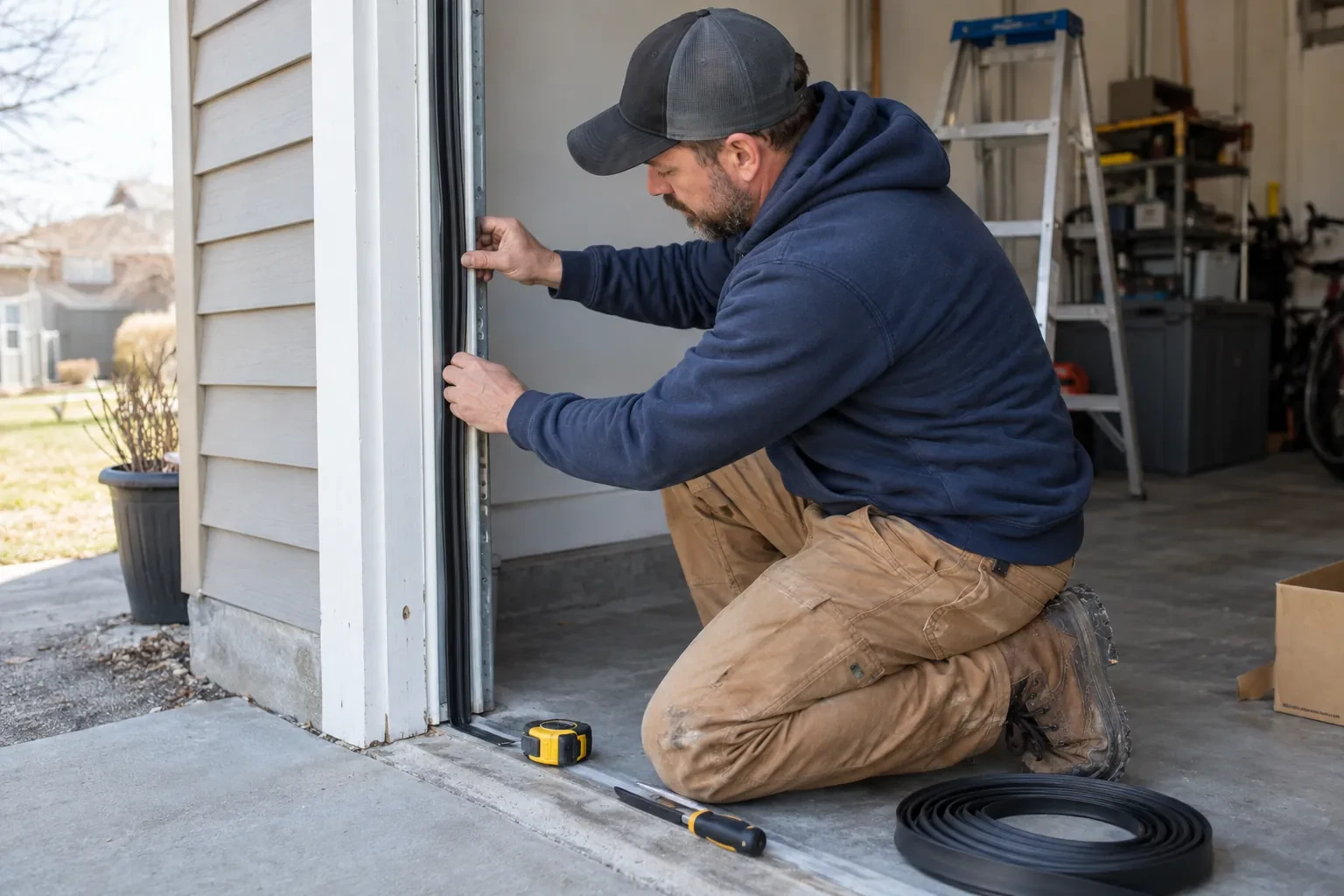
Cables that show fraying, rust or a kink at the bottom brackets are replaced so the new spring pulls on sound steel. Two good cables mean this item stays off the list.
Spring specification
The wire size, inside diameter and length that the door's weight and height demand determine which spring is fitted. Larger doors take larger springs, and unusual combinations may need specially wound coils.
What to have ready
- Do you know the door's age or when the springs were last replaced?
- Is a vehicle parked inside the garage right now?
- What is the door made of: steel, insulated steel, wood or aluminum?
Torsion Spring Replacement: questions
QuestionsHow long does a torsion spring replacement take?
Most residential replacements are completed in one visit. Securing the door, measuring, removing the old spring, fitting and winding the new one, balancing and testing the opener typically takes an hour or two, longer if bearings, cables or a bent top section are also being dealt with. The technician confirms the scope after the first checks, so you know what the visit involves before the work starts.
What is the difference between galvanized and oil-tempered springs?
Oil-tempered springs are the traditional dark grey or black coil; they hold their tension well over time and are widely used. Galvanized springs have a zinc coating that resists rust, which is useful in damp garages, though they tend to relax slightly and may need a small adjustment after settling in. Both are available in standard and high-cycle ratings, and the technician can explain which suits your garage.
Can I keep using the opener until the technician arrives?
The kindest thing for the door is to leave it where it is and use another entrance. An opener is designed to move a door the springs have already made light; asking it to lift a full-weight door strains the trolley and gear drive and can crease the top section. Keeping the door still and clear of people until the spring is replaced protects the rest of the system from extra repairs.
Related services
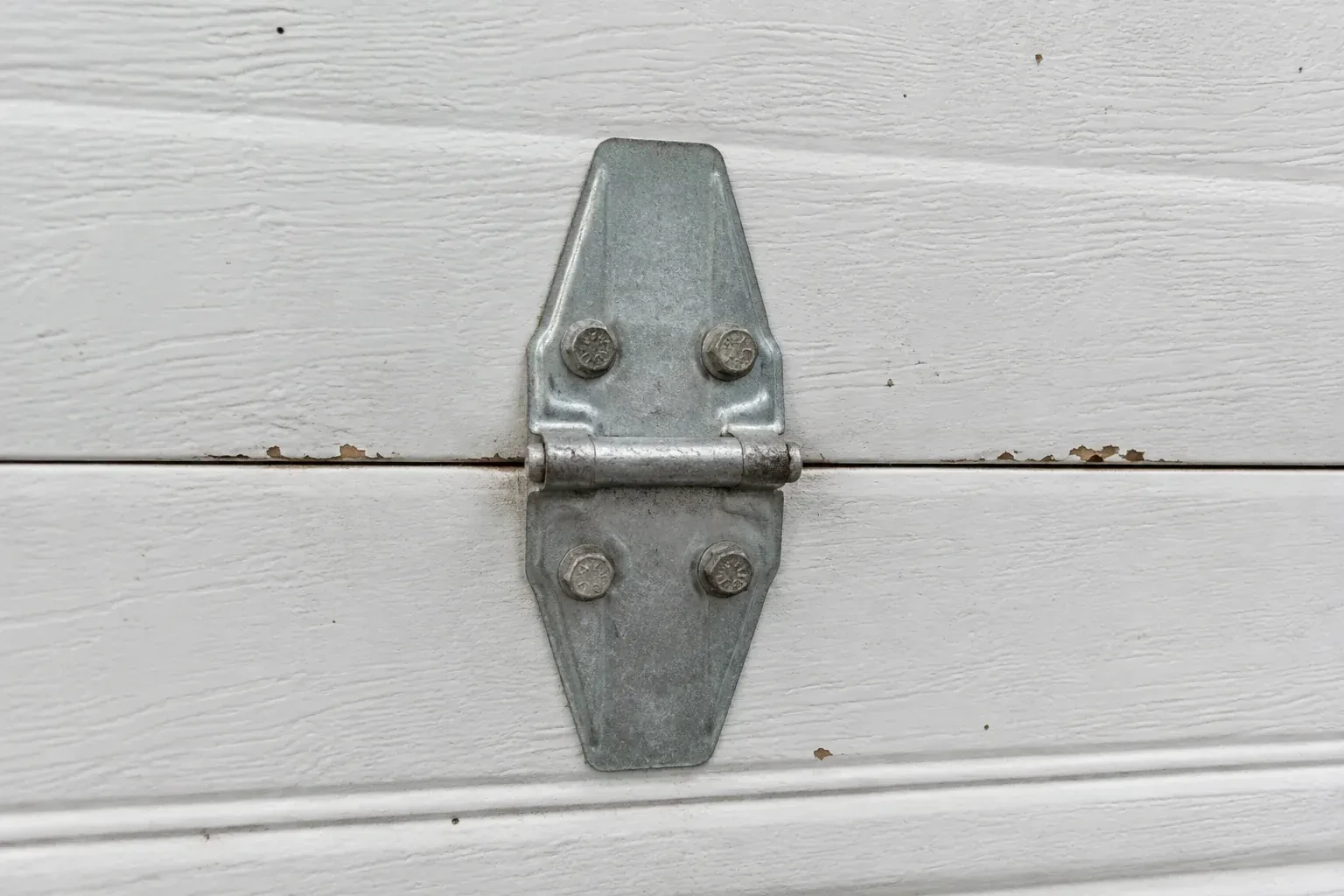
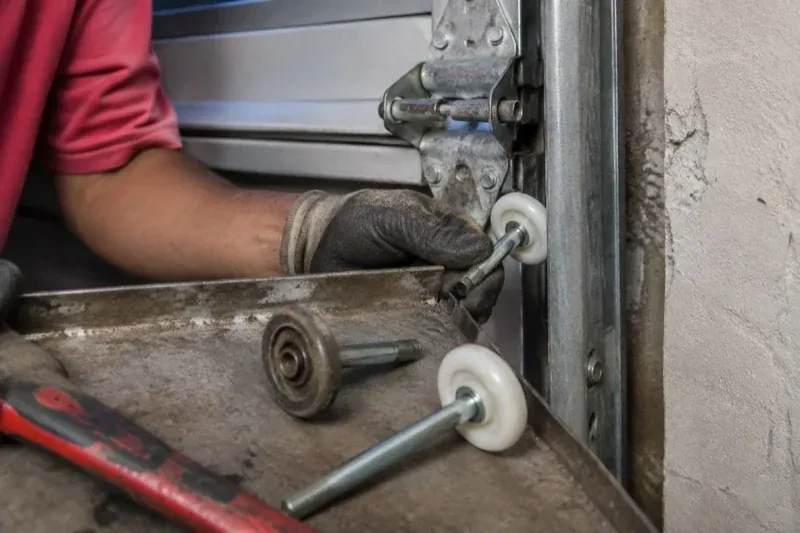
- Garage Door Hinge ReplacementThe roller at the top of the second panel is leaning outward and only half of the wheel is still in the track.
- Garage Door Track Repair or ReplacementYou bought the house with a door that sticks near the top of its travel.
- Garage Door Cable ReplacementThe car bumper kissed the door on the way in.