Springs · Vellore
Garage Door Roller Replacement in Vellore
Halfway up, the door hesitates and the opener strains before it carries on.
In plain words
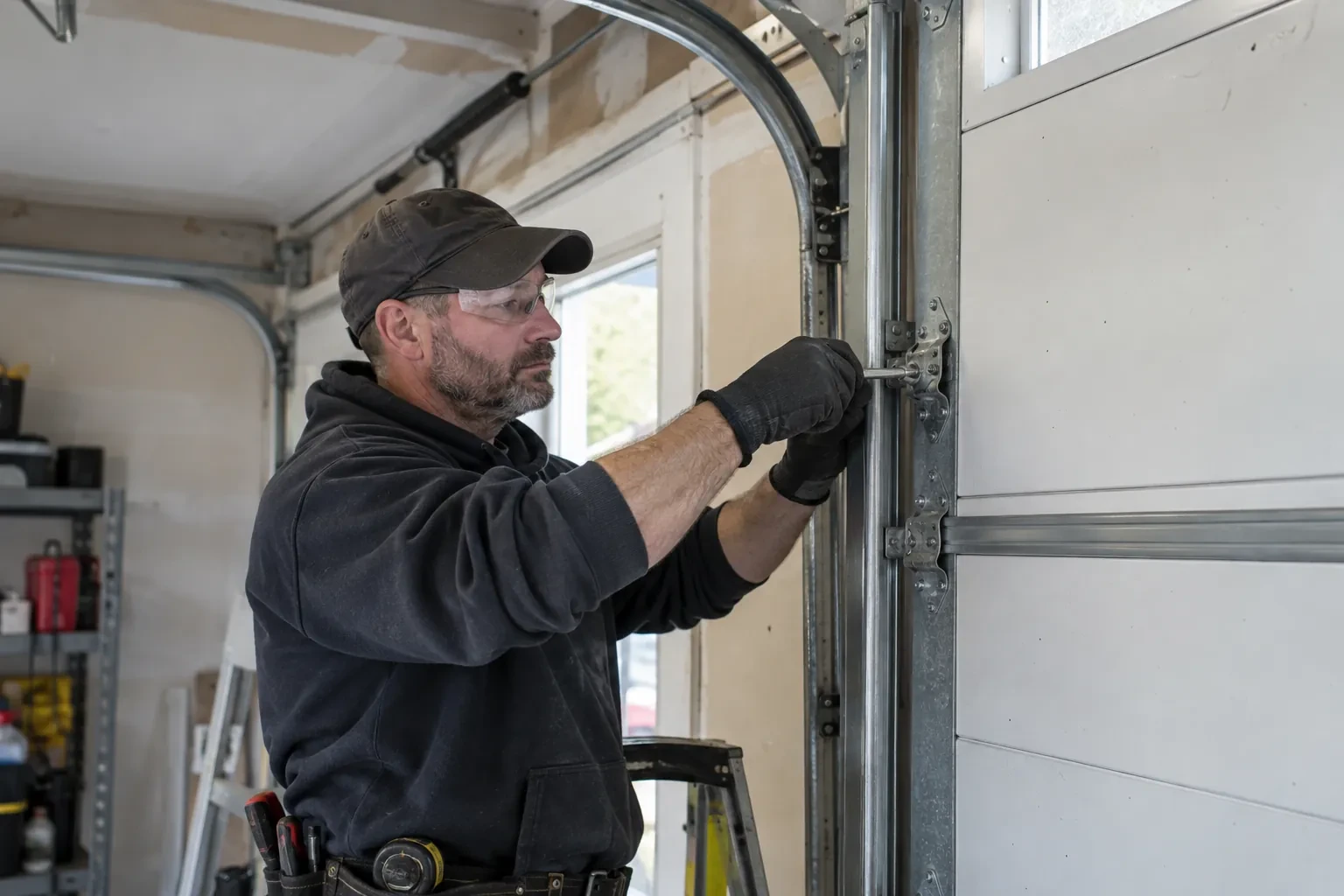
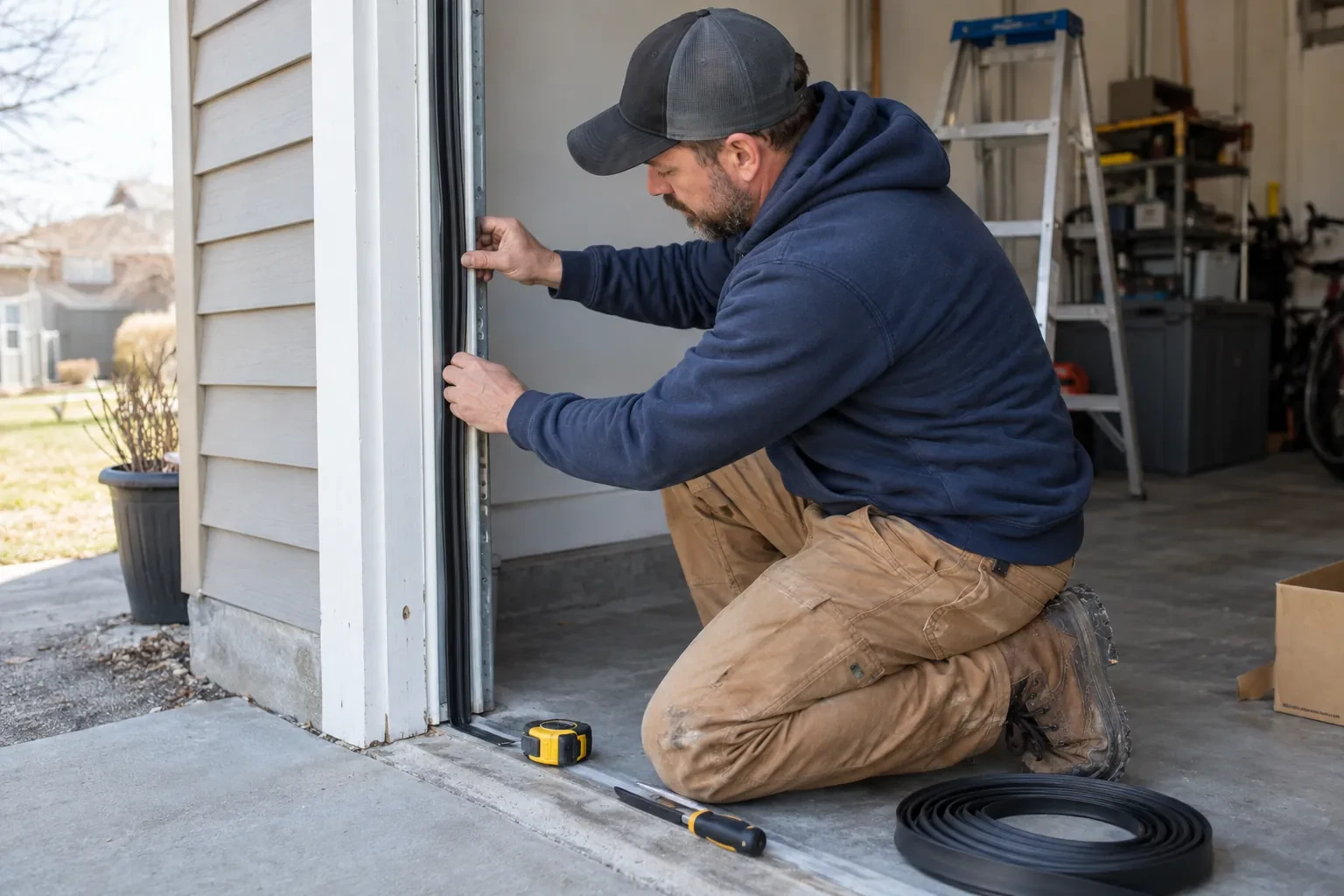
The visit starts with the door rather than the parts. A technician runs it on the opener and then by hand, listens for where the trouble is, examines every roller for wear and play, and confirms the door is balanced, because an unbalanced door chews through rollers. Then the door is clamped in position and the rollers are changed one at a time so the remaining wheels keep the sections aligned. Top fixtures are reset so the top section seals, the track is cleaned and squared, moving parts are lubricated, and the door is cycled and tested before the tools go back in the van.
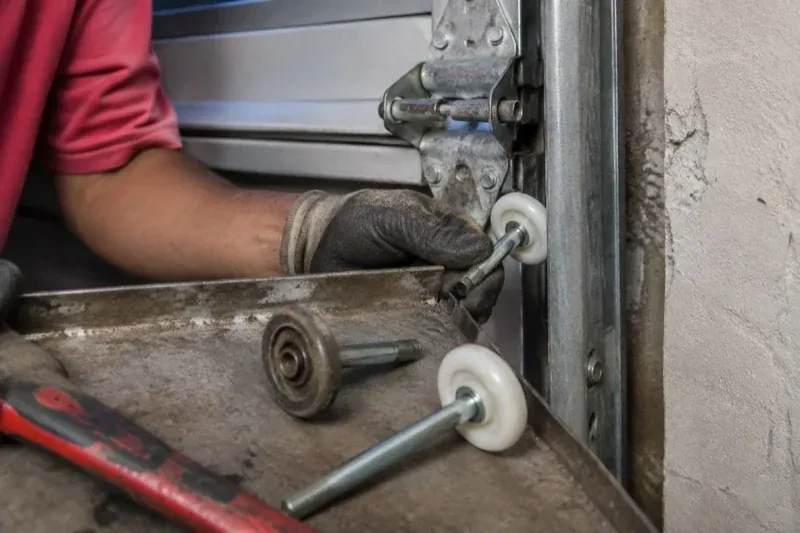
How the visit goesOne of the little wheels along the edge of the door has a chunk missing, another sits crooked in its hinge, and there is a fine grey dust on the floor under the track where plastic has been wearing away.
Garage Door Roller Replacement
How the visit goes
Counting hinges and measuring stems
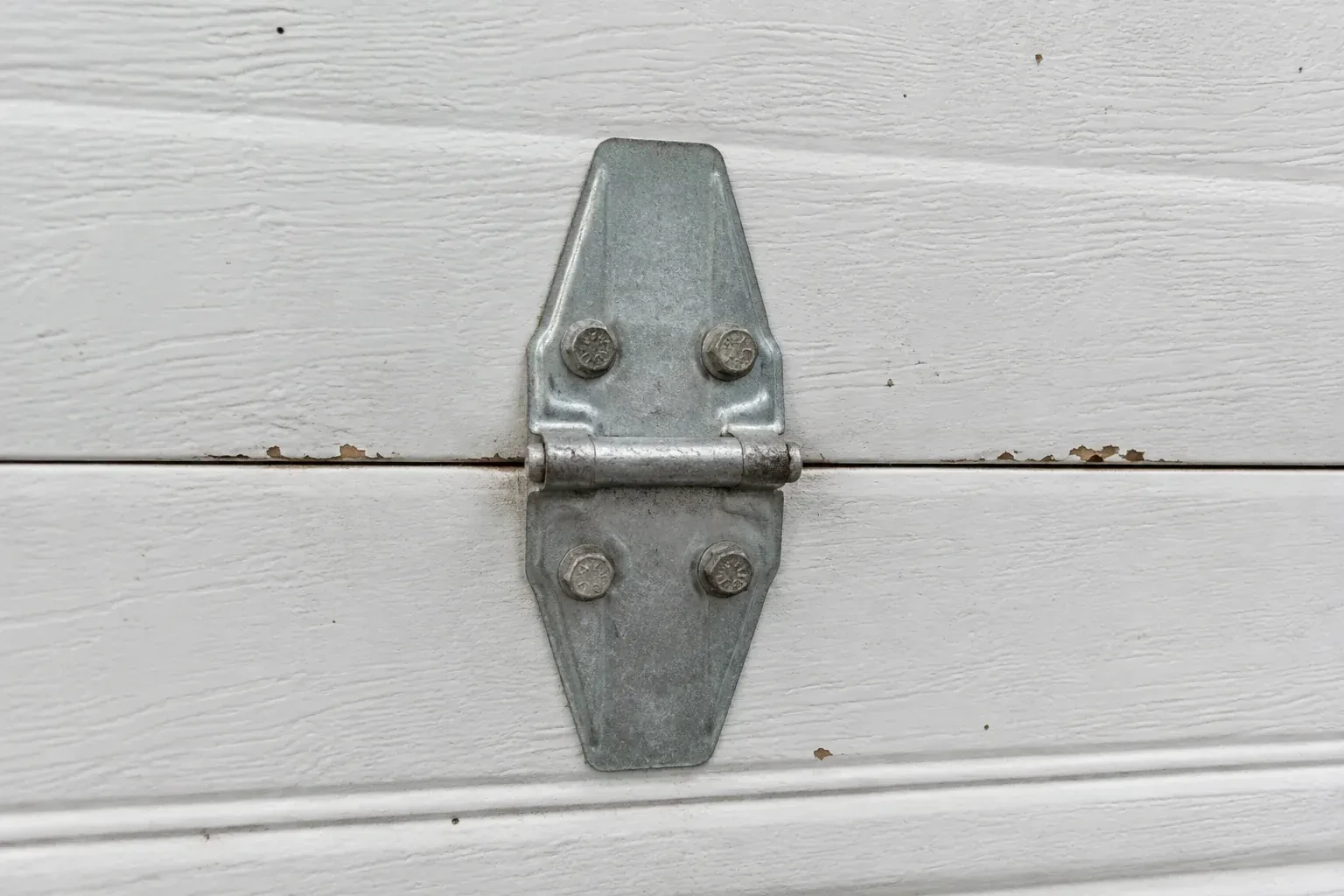
The right replacement depends on numbers taken from your door, not from a catalogue. The wheel diameter is measured across its face: residential track takes a two-inch wheel, while commercial track can take a two-inch or a three-inch wheel depending on the system. The stem is measured from the wheel to its end, and the hinges at each end stile are counted, because a single hinge takes a four-inch stem while two hinges stacked together on a heavier door call for a seven- or ten-inch stem that reaches through both. Stem diameter is confirmed too, since most doors built since the 1980s share one standard size but older doors may not. These measurements decide which set goes in.
Securing the door before a roller comes out
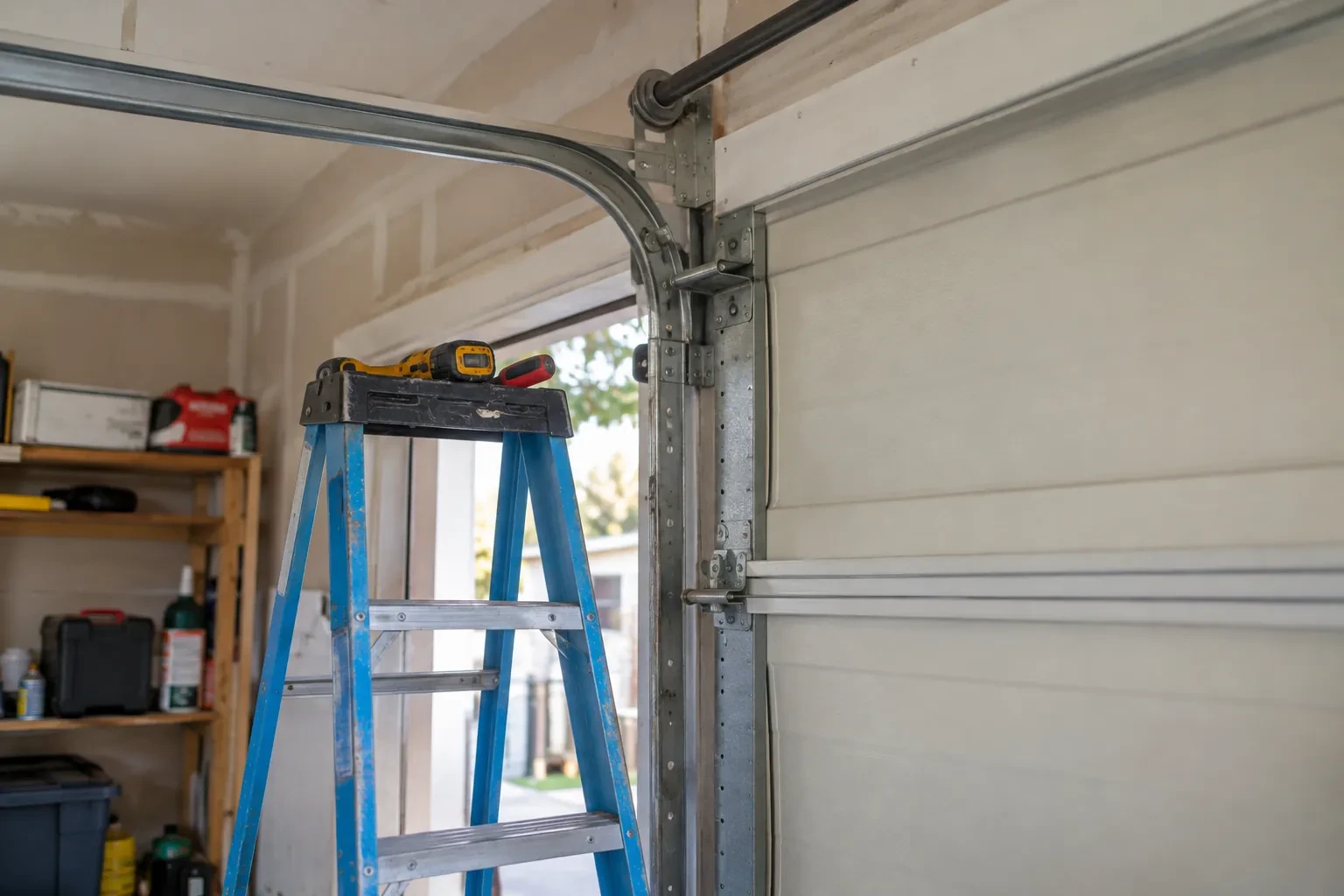
Nothing is unbolted until the door cannot move. The technician disconnects the opener, positions the door where the work is safest for the rollers being changed, and locks it there with clamps or locking pliers set in the track under the wheels so the sections cannot slide or drop. With a heavy door left in the open position, the horizontal track and its hangers are checked for a firm hold first. This set-up takes a few minutes and is the reason the rest of the job can proceed calmly, one roller at a time, without a section shifting while a hinge is loose.
Hardware tightened along with the wheels
Roller replacement is a natural moment to go over the rest of the door, and you leave with more than new wheels. Every hinge fastener has been checked and snugged, loose jamb brackets have been tightened, worn hinges have been replaced with the correct numbered ones, and the top fixtures and bottom brackets have been inspected and, where corroded or bent, changed. The track has been cleared of salt and grit and squared to the door. This kind of once-over is what industry guidance means by regular service, and it is much of the reason a door feels solid again after the visit.
Garage Door Roller Replacement
In the van
Two-inch nylon ball-bearing rollers
Garage door lubricant
Steel ball-bearing rollers
1-1/2 inch reversal test block
Sealed-bearing nylon rollers
Garage Door Roller Replacement
What affects the quote
Stem length and double hinges
Doors with two hinges stacked at each end need long-stem rollers at those positions. Those cost more than standard four-inch stems and are counted separately in the quote.
Top fixtures and bottom brackets
A top fixture that no longer adjusts, or a bottom bracket that has corroded or bent, is changed while the door is secured, and the quote names each piece.
Combining with spring or cable work
If springs or cables are being replaced in the same visit, the door is secured once and the roller set is added to that job, which is often more economical than a separate call.
What to have ready
- Do any wheels look chipped, crooked, or sitting on the lip of the track?
- Can we reach both tracks, or is there shelving or a car in the way?
- Is the opener straining, reversing partway, or working harder than it used to?
Garage Door Roller Replacement: questions
QuestionsCan I replace just the one roller that looks bad?
One roller can be changed on its own, and sometimes that is the sensible stopgap after a wheel breaks. The better result comes from a full set, because the other wheels have done the same number of cycles and are close behind, and mixing new with old, or nylon with steel, leaves the door running unevenly and sounding different on each side. A matched set also lets the technician set every top fixture and check every hinge in one pass.
How long do garage door rollers last?
It depends on what they are made of and how often the door moves. Builder-grade plastic wheels with no bearings often show wear after only a few years. Steel and nylon rollers with seven to thirteen ball bearings are typically rated for ten to fifteen thousand cycles, roughly the life of a torsion spring, which for many households means seven to ten years. Sealed-bearing nylon rollers are rated far higher. A door used many times a day, or one living with salt and slush, shortens all of those.
Are the bottom rollers different from the rest?
The wheels themselves are usually the same, but their home is not. The bottom rollers sit in the bottom brackets, which also anchor the lifting cables and therefore carry the counterbalance load whenever the door is closed. That is why manufacturers put warning labels there and why this position is handled by a trained technician who either exchanges the roller without disturbing the bracket or relieves the spring tension first. It is also the position most exposed to salt and slush, so it is inspected with extra care.
Related services
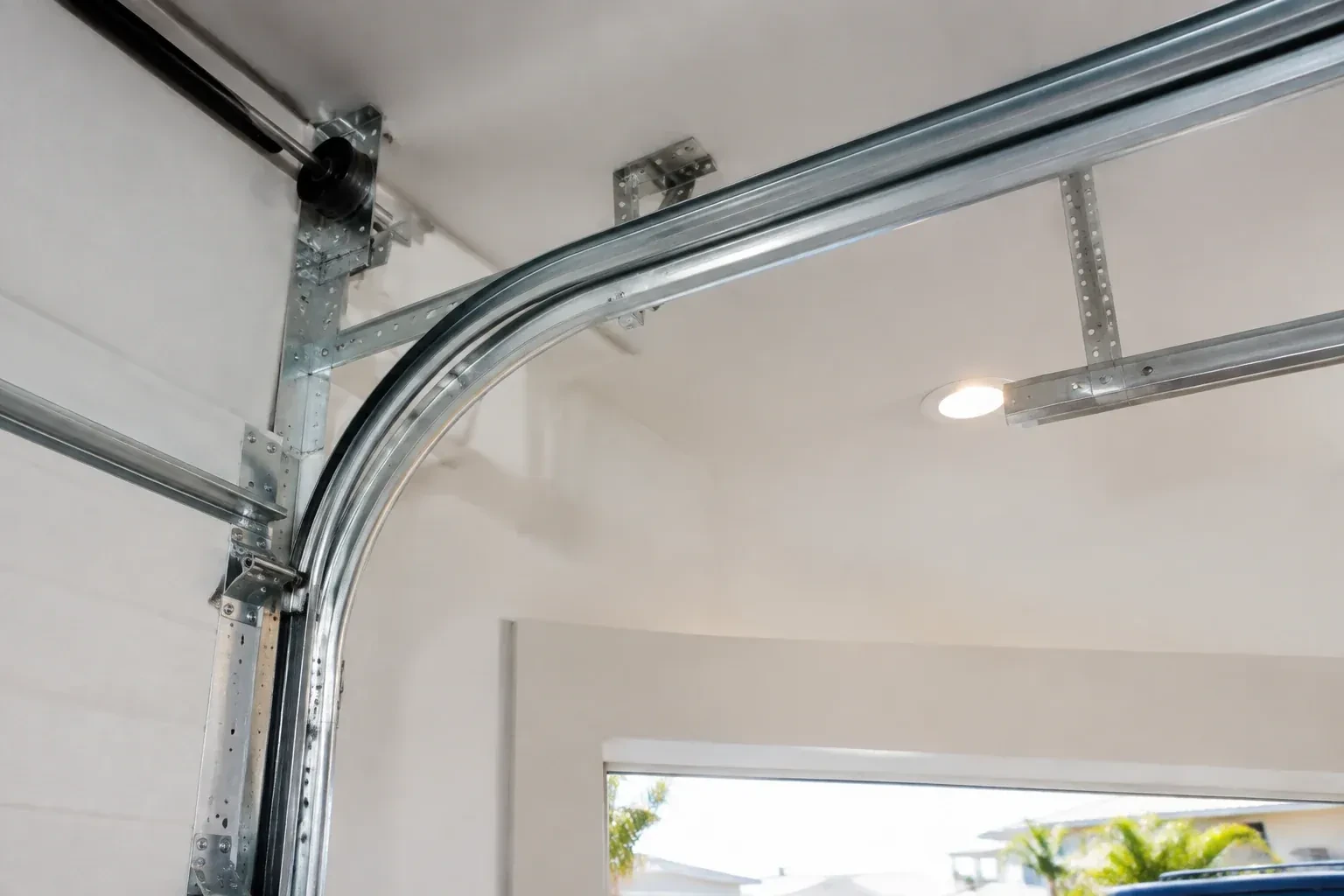
- Garage Door Track Repair or ReplacementYou bought the house with a door that sticks near the top of its travel.
- Garage Door Cable ReplacementThe car bumper kissed the door on the way in.
- Torsion Spring ReplacementOn a cold morning the remote does nothing useful: the light comes on, the motor turns briefly, the door stays shut.